Versuchen GOLD - Frei
Working Tractor, Happy Smallholding
The Country Smallholder
|February 2026
Siromer say that simple habits will help to keep your tractor earning its keep this winter – here are seven essential jobs
-
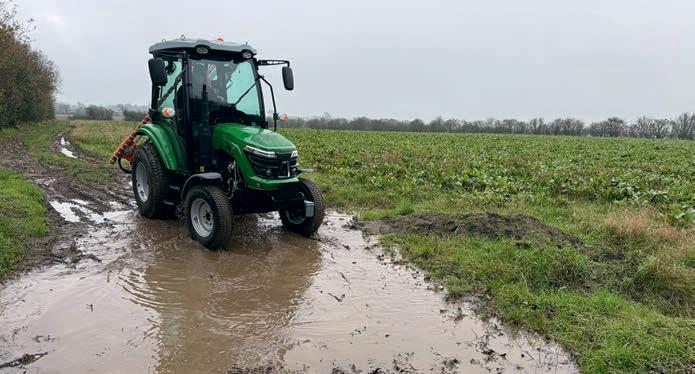
February means mud, ruts and standing water - keep on top of tyre pressures, oil levels and greasing so your tractor can wade through the worst of it
February is a hardworking month on a smallholding. The ground is cold and wet, jobs are piling up, and this is exactly when you find out whether your tractor has been looked after - or just driven. Most smallholders I meet aren't chasing the latest gadgets. They want a tractor that starts when you turn the key, lifts what it says it will, and doesn't cost a fortune to keep going. They're happy to roll up their sleeves - they just want to know they're doing the right things. Good maintenance isn't about having a shiny “show” tractor. It's about reliable starts, safe operation and avoiding big, avoidable repair bills. A few simple routines will keep your tractor ready for whatever your smallholding throws at it.
1. MAKE THE “WALK-ROUND” YOUR FIRST JOB
The quickest maintenance check is also the most powerful: a two-minute walk-round before you start work.
Get into the habit of looking at:
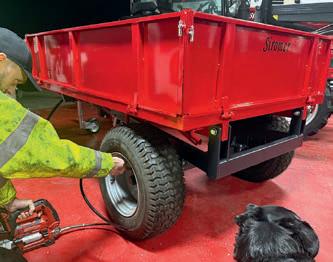
• Tyres - Any obvious cuts, bulges or low pressures? A soft rear tyre makes loader work unstable and will churn up gateways.
• Leaks - A quick glance under the engine, transmission and axles for fresh oil or coolant.
• Pins and clips - Especially on loaders and three-point linkages. A missing lynch pin can turn into a dropped implement or twisted arms.
• Lights and beacons - Essential if you're using lanes or roads, and useful around the yard on gloomy afternoons.
It takes moments, but spotting a loose wheel nut or weeping hose now is far cheaper than recovering a broken-down tractor from a field.
 2. OIL, FILTERS AND REALISTIC SERVICE INTERVALS

Diese Geschichte stammt aus der February 2026-Ausgabe von The Country Smallholder.
Abonnieren Sie Magzter GOLD, um auf Tausende kuratierter Premium-Geschichten und über 9.000 Zeitschriften und Zeitungen zuzugreifen.
Sie sind bereits Abonnent? Anmelden
WEITERE GESCHICHTEN VON The Country Smallholder
The Country Smallholder
Making sure you put enough nutrition into your dairy goat to support her milk production
Sarah Day, nutritionist for Small Holder Feed offers feeding advice for your dairy goats to help them be happy, healthy and milky animals.

6 mins
March 2026

The Country Smallholder
Welcoming the very start of the spring season
Henrietta Balcon makes the most of the new crop rhubarb
2 mins
March 2026
The Country Smallholder
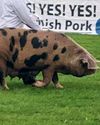
Starting with Pigs - before you start
Linda Aldous outlines what you need to do before anything porcine arrives on your smallholding
3 mins
March 2026
The Country Smallholder
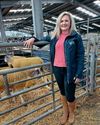
Insurance to protect livestock - and your peace of mind
Looking ahead to a busy 2026 for Pedigree Sales, farmers and breeders will be preparing their livestock for the upcoming markets
2 mins
March 2026
The Country Smallholder
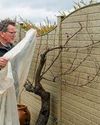
Getting Your Electric Fence Spring-Ready: Expert Q&A
As Spring arrives, it’s the perfect time to give your electric fence some attention. Based on questions we discuss regularly here at www.electricfencing.co.uk, here’s a list of the checks you should be carrying out now, and why they matter.
2 mins
March 2026

The Country Smallholder
Check your kit for the busy seasons ahead
Agricultural journalist, and machinery writer Jane Brooks, joins us for her regular look at the world.
4 mins
March 2026
The Country Smallholder
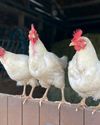
Flock together: is now the right time to add more hens?
Andy Hill explains how to integrate birds into a flock without feathers flying
4 mins
March 2026
The Country Smallholder
The secrets behind maximising incubator hatch rates
Buying quality point of lay hens can be an expensive proposition these days (even if you can find a local source of the breed that you want). Incubating fertilised eggs can save a great deal of money and make many more breeds accessible. If you already keep poultry that includes a cockerel, an incubator means that you can hatch their eggs either to increase your flock or to sell. Hugh & Fiona Osborne have been using incubators for many years and have learned that getting a good hatch means attention to detail.
7 mins
March 2026
The Country Smallholder
Making choices for your chicks
Victoria Roberts BVSc MRCVS says Natural and Artifical Incubation are not an either/or choice
5 mins
March 2026

The Country Smallholder
An appetite for asparagus
Our Experts answer your questions
1 mins
March 2026
Listen
Translate
Change font size