
Mit Magzter GOLD unbegrenztes Potenzial nutzen
Erhalten Sie unbegrenzten Zugriff auf über 9.000 Zeitschriften, Zeitungen und Premium-Artikel für nur
Versuchen GOLD - Frei
Making sure you put enough nutrition into your dairy goat to support her milk production
The Country Smallholder
|March 2026
Sarah Day, nutritionist for Small Holder Feed offers feeding advice for your dairy goats to help them be happy, healthy and milky animals.
-
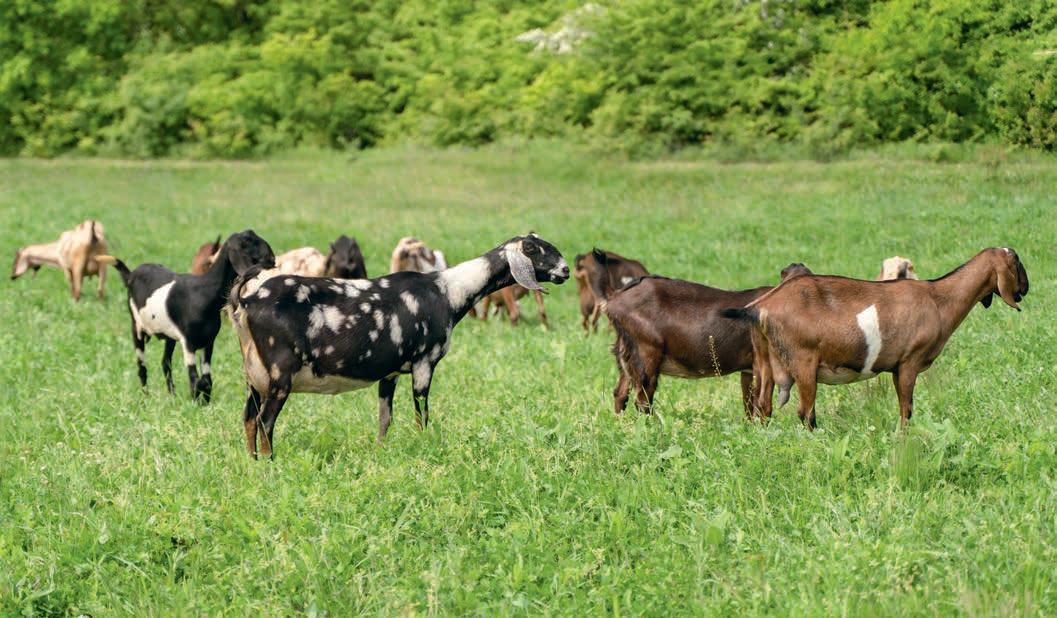
You get out what you put in, when feeding your dairy goats ensuring their diet provides the nutrients needed not only for their own health and wellbeing, but also the nutrients needed for high quality milk production is key.
Milk production in goats lasts for around 10 months and depending on the breed milk yield can vary. An average milker will provide around 4.5 litres a day, but the British Saanen is likely to produce more per lactation and Guernsey goats are likely to give less milk than the bigger dairy breeds which can be exactly what you need on your smallholding so you are not swamped. Milk production is influenced by the stage of lactation your goats are in. Milk production usually peaks 6-8 weeks into lactation and then from here gradually declines naturally. Dairy goats have higher nutritional requirements than pet goats or companion animals. It is key that the diet provided meets their nutritional demands for energy, protein, fibre, vitamins and minerals at each important stage of their life. Needs will vary depending on size, stage of pregnancy and milk production.
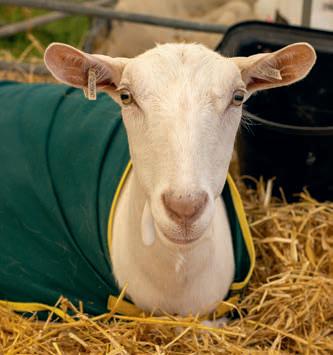 A lack of nutrients or an imbalance of the diet can have a significant impact on milk yields, it can also put your goats at risk of illnesses occurring such as rumen acidosis, pregnancy toxaemia and hypocalcaemia.
FACTORS TO CONSIDER WHEN PLANNING RATIONS
• Energy
Sufficient energy for your goats is crucial for supporting their productivity and a deficiency in energy can reduce fertility and depress milk production. A lack of energy in the diet could be due to feed restriction or low digestibility of dietary components.

Diese Geschichte stammt aus der March 2026-Ausgabe von The Country Smallholder.
Abonnieren Sie Magzter GOLD, um auf Tausende kuratierter Premium-Geschichten und über 9.000 Zeitschriften und Zeitungen zuzugreifen.
Sie sind bereits Abonnent? Anmelden
WEITERE GESCHICHTEN VON The Country Smallholder
The Country Smallholder
Making sure you put enough nutrition into your dairy goat to support her milk production
Sarah Day, nutritionist for Small Holder Feed offers feeding advice for your dairy goats to help them be happy, healthy and milky animals.

6 mins
March 2026
The Country Smallholder
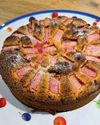
Welcoming the very start of the spring season
Henrietta Balcon makes the most of the new crop rhubarb
2 mins
March 2026
The Country Smallholder
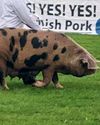
Starting with Pigs - before you start
Linda Aldous outlines what you need to do before anything porcine arrives on your smallholding
3 mins
March 2026
The Country Smallholder
Insurance to protect livestock - and your peace of mind
Looking ahead to a busy 2026 for Pedigree Sales, farmers and breeders will be preparing their livestock for the upcoming markets
2 mins
March 2026

The Country Smallholder
Getting Your Electric Fence Spring-Ready: Expert Q&A
As Spring arrives, it’s the perfect time to give your electric fence some attention. Based on questions we discuss regularly here at www.electricfencing.co.uk, here’s a list of the checks you should be carrying out now, and why they matter.
2 mins
March 2026

The Country Smallholder
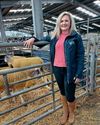
Check your kit for the busy seasons ahead
Agricultural journalist, and machinery writer Jane Brooks, joins us for her regular look at the world.
4 mins
March 2026
The Country Smallholder
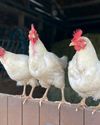
Flock together: is now the right time to add more hens?
Andy Hill explains how to integrate birds into a flock without feathers flying
4 mins
March 2026
The Country Smallholder
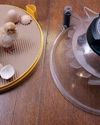
The secrets behind maximising incubator hatch rates
Buying quality point of lay hens can be an expensive proposition these days (even if you can find a local source of the breed that you want). Incubating fertilised eggs can save a great deal of money and make many more breeds accessible. If you already keep poultry that includes a cockerel, an incubator means that you can hatch their eggs either to increase your flock or to sell. Hugh & Fiona Osborne have been using incubators for many years and have learned that getting a good hatch means attention to detail.
7 mins
March 2026
The Country Smallholder
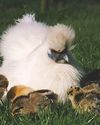
Making choices for your chicks
Victoria Roberts BVSc MRCVS says Natural and Artifical Incubation are not an either/or choice
5 mins
March 2026

The Country Smallholder
An appetite for asparagus
Our Experts answer your questions
1 mins
March 2026
Listen
Translate
Change font size