Versuchen GOLD - Frei
Final Preparations for winter in your apiary
The Country Smallholder
|November 2025
Claire Waring's step by step guide to keeping your bees safe in the cold weather
-
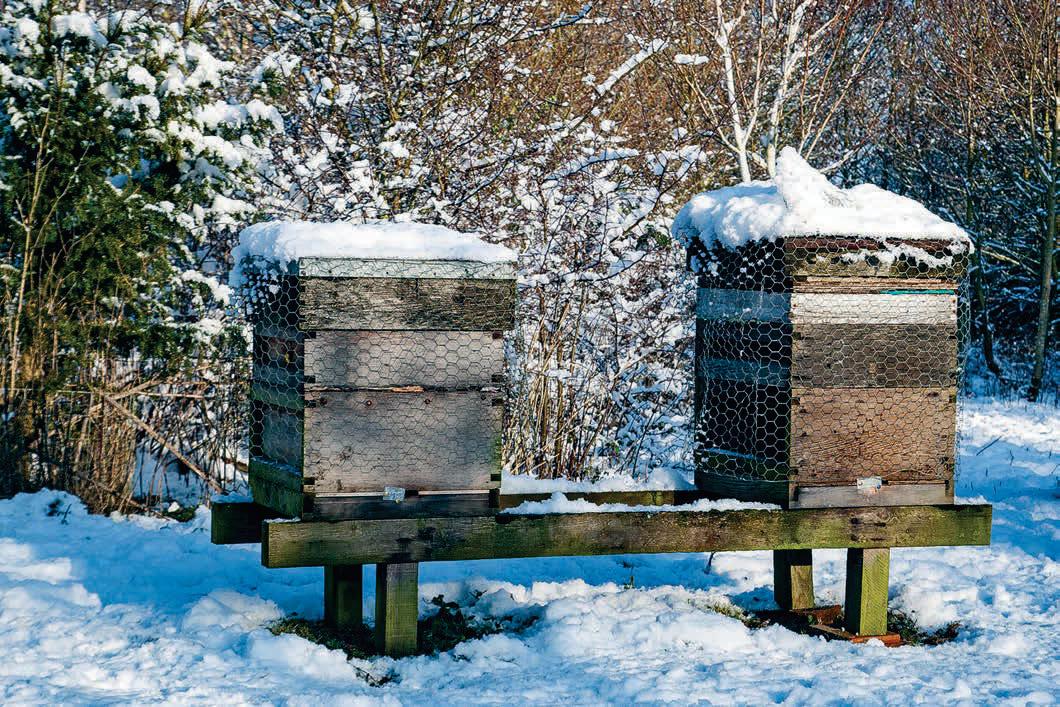
Previously, we have talked about getting ready for winter. There are a few other things that we need to do to help our bees come through and be raring to go next year.
The first is to make sure that your hives are weathertight. Are the roofs sound or could they let in the rain? Damp hives really do not do your bees any favours. You should have made sure all the other gaps were filled up when you made the hives bee-tight during feeding. Actually, you need to make sure this is the case at all times but it is especially important when wasps and other bees are out looking for easy pickings.
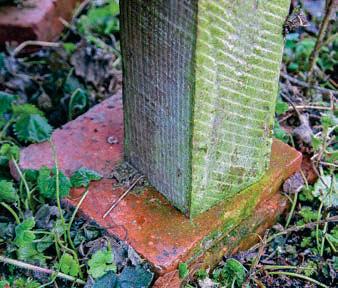 KEEP YOUR ROOFS ON!
If your roofs are shallow, you need to take measures to ensure they do not blow off in high winds. Either strap the whole hive together or put a heavy weight on the roof (or both!). Deep roofs are less likely to blow off but you might want to take precautions anyway. If your apiary is windy, think about improving the shelter from hedges or fences.
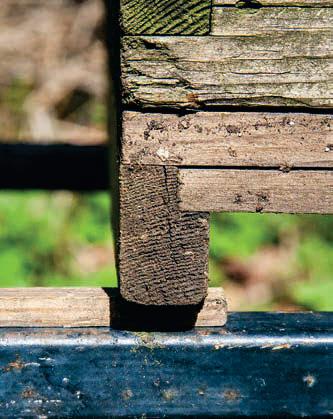 MAKE SURE HIVE STANDS STAY UPRIGHT
Make sure the stand is sound and capable of supporting the weight of the hive. Check the condition of wooden stands as they can deteriorate when kept outside in all weathers. Metal stands may rust but, assuming the metalwork is substantial, it will be a long time before they collapse. Treating stands with an appropriate preservation agent or paint will extend their useful life. Stands should lift the hive at least 230 mm (9 inches) off the ground to give space for air to circulate.

Diese Geschichte stammt aus der November 2025-Ausgabe von The Country Smallholder.
Abonnieren Sie Magzter GOLD, um auf Tausende kuratierter Premium-Geschichten und über 9.000 Zeitschriften und Zeitungen zuzugreifen.
Sie sind bereits Abonnent? Anmelden
WEITERE GESCHICHTEN VON The Country Smallholder
The Country Smallholder
Making sure you put enough nutrition into your dairy goat to support her milk production
Sarah Day, nutritionist for Small Holder Feed offers feeding advice for your dairy goats to help them be happy, healthy and milky animals.

6 mins
March 2026
The Country Smallholder
Welcoming the very start of the spring season
Henrietta Balcon makes the most of the new crop rhubarb
2 mins
March 2026
The Country Smallholder
Starting with Pigs - before you start
Linda Aldous outlines what you need to do before anything porcine arrives on your smallholding
3 mins
March 2026
The Country Smallholder
Insurance to protect livestock - and your peace of mind
Looking ahead to a busy 2026 for Pedigree Sales, farmers and breeders will be preparing their livestock for the upcoming markets
2 mins
March 2026
The Country Smallholder
Getting Your Electric Fence Spring-Ready: Expert Q&A
As Spring arrives, it’s the perfect time to give your electric fence some attention. Based on questions we discuss regularly here at www.electricfencing.co.uk, here’s a list of the checks you should be carrying out now, and why they matter.
2 mins
March 2026

The Country Smallholder
Check your kit for the busy seasons ahead
Agricultural journalist, and machinery writer Jane Brooks, joins us for her regular look at the world.
4 mins
March 2026
The Country Smallholder
Flock together: is now the right time to add more hens?
Andy Hill explains how to integrate birds into a flock without feathers flying
4 mins
March 2026
The Country Smallholder
The secrets behind maximising incubator hatch rates
Buying quality point of lay hens can be an expensive proposition these days (even if you can find a local source of the breed that you want). Incubating fertilised eggs can save a great deal of money and make many more breeds accessible. If you already keep poultry that includes a cockerel, an incubator means that you can hatch their eggs either to increase your flock or to sell. Hugh & Fiona Osborne have been using incubators for many years and have learned that getting a good hatch means attention to detail.
7 mins
March 2026
The Country Smallholder
Making choices for your chicks
Victoria Roberts BVSc MRCVS says Natural and Artifical Incubation are not an either/or choice
5 mins
March 2026

The Country Smallholder
An appetite for asparagus
Our Experts answer your questions
1 mins
March 2026
Listen
Translate
Change font size