Versuchen GOLD - Frei
Feeding ewes before and after lambing
The Country Smallholder
|February 2026
Sarah Day, nutritionist at Small Holder Feed, explains how clear planning and steady feeding can support healthy births, thriving lambs and productive ewes throughout the season
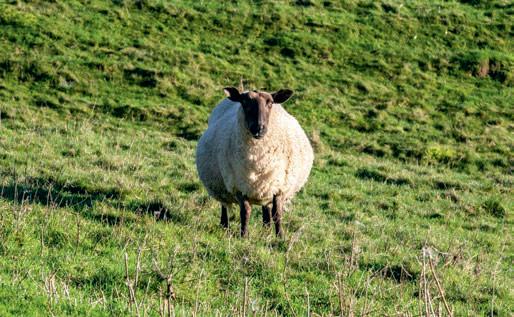
When you are heading into lambing, feeding can suddenly feel like a juggling act. You want ewes in good condition, producing plenty of milk and strong lambs, but without overdoing it and risking complications.
A STEADY BUILDUP BEFORE LAMBING
In the final six to eight weeks of pregnancy, an unborn lamb grows quickly, while the ewe's rumen space reduces. This means she cannot eat the same volume of forage she did earlier in pregnancy, yet her nutritional needs increase. This is when feeding becomes more focused, and when the right support makes all the difference. Start feeding Small Holder Feed Sheep Mix around six to eight weeks before lambing. Introduce concentrate feed gradually, beginning at around 0.25kg per ewe per day. Increase slowly over the weeks, working towards around 1kg per ewe per day as lambing approaches for twin-bearing ewes. Always match quantities to body condition, based on whether she is carrying singles, twins or triplets. Split feed into two meals daily and support it with good quality hay, haylage or silage. Consistent fibre remains key for healthy rumen function. Fresh water should always be available and easily accessible. Slow, steady changes help prevent digestive upsets and keep ewes eating comfortably right through to lambing.
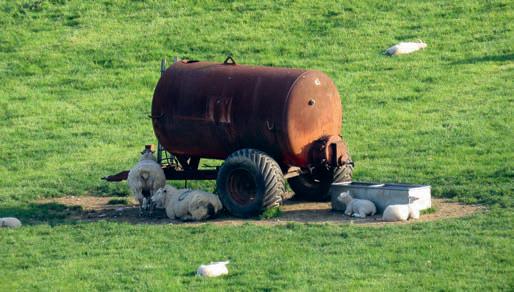 FEEDING FOR BODY CONDITION AND HEALTH

Diese Geschichte stammt aus der February 2026-Ausgabe von The Country Smallholder.
Abonnieren Sie Magzter GOLD, um auf Tausende kuratierter Premium-Geschichten und über 9.000 Zeitschriften und Zeitungen zuzugreifen.
Sie sind bereits Abonnent? Anmelden
WEITERE GESCHICHTEN VON The Country Smallholder
The Country Smallholder
Making sure you put enough nutrition into your dairy goat to support her milk production
Sarah Day, nutritionist for Small Holder Feed offers feeding advice for your dairy goats to help them be happy, healthy and milky animals.

6 mins
March 2026
The Country Smallholder
Welcoming the very start of the spring season
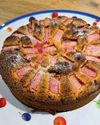
Henrietta Balcon makes the most of the new crop rhubarb
2 mins
March 2026
The Country Smallholder
Starting with Pigs - before you start
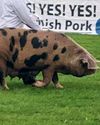
Linda Aldous outlines what you need to do before anything porcine arrives on your smallholding
3 mins
March 2026
The Country Smallholder
Insurance to protect livestock - and your peace of mind
Looking ahead to a busy 2026 for Pedigree Sales, farmers and breeders will be preparing their livestock for the upcoming markets
2 mins
March 2026

The Country Smallholder
Getting Your Electric Fence Spring-Ready: Expert Q&A
As Spring arrives, it’s the perfect time to give your electric fence some attention. Based on questions we discuss regularly here at www.electricfencing.co.uk, here’s a list of the checks you should be carrying out now, and why they matter.
2 mins
March 2026

The Country Smallholder
Check your kit for the busy seasons ahead
Agricultural journalist, and machinery writer Jane Brooks, joins us for her regular look at the world.
4 mins
March 2026
The Country Smallholder
Flock together: is now the right time to add more hens?
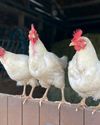
Andy Hill explains how to integrate birds into a flock without feathers flying
4 mins
March 2026
The Country Smallholder
The secrets behind maximising incubator hatch rates
Buying quality point of lay hens can be an expensive proposition these days (even if you can find a local source of the breed that you want). Incubating fertilised eggs can save a great deal of money and make many more breeds accessible. If you already keep poultry that includes a cockerel, an incubator means that you can hatch their eggs either to increase your flock or to sell. Hugh & Fiona Osborne have been using incubators for many years and have learned that getting a good hatch means attention to detail.
7 mins
March 2026
The Country Smallholder
Making choices for your chicks
Victoria Roberts BVSc MRCVS says Natural and Artifical Incubation are not an either/or choice
5 mins
March 2026
The Country Smallholder
An appetite for asparagus
Our Experts answer your questions
1 mins
March 2026
Listen
Translate
Change font size