Versuchen GOLD - Frei
New urban jungles
BBC Wildlife
|August 2025
Moves to integrate wildlife biodiversity into the built environment are gaining momentum

WE OFTEN IMAGINE conservation unfolding in wild, far-flung landscapes, not in the middle of bustling cities. Urban environments can seem like the end of the road for nature, where even the trees appear weary, boxed into concrete pavements and gridlocked streets with a faint look of dismay.
But look a little closer and a different story emerges. On rooftops, in alleyways and through the tiniest cracks in the pavement, biodiversity is finding its way back in. Wildlife, it turns out, can thrive even in the heart of the metropolis. Cities, says Nathalie Pettorelli of the Zoological Society of London, aren't just degraded wastelands where 'real' nature has been paved over. They're ecosystems in their own right. The problem isn't that they aren't forests - it's that we keep pretending that they should be.
"If you frame our cities as 'trash nature', you never appreciate the nature of a city as an ecosystem in itself," she says. "But if you accept the city is an ecosystem, the question then becomes: how do you make that ecosystem more biodiverse?"
Rather than comparing Hackney to the Highlands, imagine comparing it to a 'better' Hackney. Greener, messier and more connected, sheltering species that can roam and explore and enhance the ecosystem. A habitat with hedgehog highways and bird-friendly balconies, where what grows between the cracks isn't merely tolerated but welcomed. If all the private gardens in London were linked up and allowed to rewild, you'd get a landmass about the size of the New Forest. Somewhere between the compost bins and patio chairs, the city becomes a national park in disguise.

Diese Geschichte stammt aus der August 2025-Ausgabe von BBC Wildlife.
Abonnieren Sie Magzter GOLD, um auf Tausende kuratierter Premium-Geschichten und über 9.000 Zeitschriften und Zeitungen zuzugreifen.
Sie sind bereits Abonnent? Anmelden
WEITERE GESCHICHTEN VON BBC Wildlife
BBC Wildlife
"I was terrified the elephant would ram us"
African elephant in Kenya

2 mins
January 2026
BBC Wildlife
ALL YOU EVER NEEDED TO KNOW ABOUT THE Fennec fox
THE FENNEC FOX IS THE SMALLEST fox in the world, with a body length that can be as little as 24cm.
3 mins
January 2026
BBC Wildlife
INTO THE PLASTISPHERE
A unique synthetic ecosystem is evolving in our oceans – welcome to the plastisphere
7 mins
January 2026
BBC Wildlife
“More than half of all animal life exists in a parasitic relationship, and all life lives in symbiosis”
Our survival depends on species evolving to live together - but some relationships take dark turns
7 mins
January 2026
BBC Wildlife
Are animals able to dream?
SLEEP IS A MYSTERIOUS THING. FOR A long time, we weren't sure why we do it.
1 mins
January 2026
BBC Wildlife
Does a cuckoo know it's a cuckoo?
ABSURD LITTLE BIRDS ACROSS THE world lay their eggs in the nests of other species, leaving the hapless parents to raise a changeling at the expense of their own offspring.
2 mins
January 2026
BBC Wildlife
Orcas killing young sharks
Juvenile great whites are easy prey for orca pod
1 mins
January 2026
BBC Wildlife
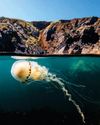
Ocean goes on tour
Acclaimed film touring the UK, backed by live orchestra and choir
1 min
January 2026
BBC Wildlife
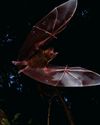
Feisty bats hunt like lions
Winged mammals use a 'hang and wait' strategy to take down large prey
1 mins
January 2026
BBC Wildlife
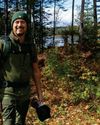
SNAP-CHAT
Richard Birchett on magical merlins, wily coyotes and charging deer
2 mins
January 2026
Listen
Translate
Change font size