يحاول ذهب - حر
New urban jungles
August 2025
|BBC Wildlife
Moves to integrate wildlife biodiversity into the built environment are gaining momentum

WE OFTEN IMAGINE conservation unfolding in wild, far-flung landscapes, not in the middle of bustling cities. Urban environments can seem like the end of the road for nature, where even the trees appear weary, boxed into concrete pavements and gridlocked streets with a faint look of dismay.
But look a little closer and a different story emerges. On rooftops, in alleyways and through the tiniest cracks in the pavement, biodiversity is finding its way back in. Wildlife, it turns out, can thrive even in the heart of the metropolis. Cities, says Nathalie Pettorelli of the Zoological Society of London, aren't just degraded wastelands where 'real' nature has been paved over. They're ecosystems in their own right. The problem isn't that they aren't forests - it's that we keep pretending that they should be.
"If you frame our cities as 'trash nature', you never appreciate the nature of a city as an ecosystem in itself," she says. "But if you accept the city is an ecosystem, the question then becomes: how do you make that ecosystem more biodiverse?"
Rather than comparing Hackney to the Highlands, imagine comparing it to a 'better' Hackney. Greener, messier and more connected, sheltering species that can roam and explore and enhance the ecosystem. A habitat with hedgehog highways and bird-friendly balconies, where what grows between the cracks isn't merely tolerated but welcomed. If all the private gardens in London were linked up and allowed to rewild, you'd get a landmass about the size of the New Forest. Somewhere between the compost bins and patio chairs, the city becomes a national park in disguise.

هذه القصة من طبعة August 2025 من BBC Wildlife.
اشترك في Magzter GOLD للوصول إلى آلاف القصص المتميزة المنسقة، وأكثر من 9000 مجلة وصحيفة.
هل أنت مشترك بالفعل؟ تسجيل الدخول
المزيد من القصص من BBC Wildlife
BBC Wildlife
Animal welfare
FURTHER TO EM GENOVESE'S LETTER (Your Letters, Spring 2026), I would like to signpost the charity Wild Welfare to readers.

2 mins
May 2026
BBC Wildlife
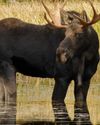
"The hooves pounded up the trail behind us"
Moose in Colorado
3 mins
May 2026
BBC Wildlife
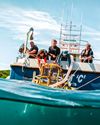
SEAGRASS SAVIOURS
Sometimes, saving the planet requires a bright idea, some practical know-how and a bit of tinkering
6 mins
May 2026
BBC Wildlife
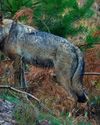
WALL TO WILD
After the fall of the Berlin Wall, reunified Germany became a new landscape not only for people, but for wildlife too 'M SITTING IN A FOREST IN Brandenburg, northeast Germany, looking over a large clearing.
7 mins
May 2026
BBC Wildlife
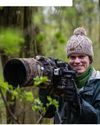
SNAP-CHAT
Samuel Bloch on wild horses, crazy capercaillies and sleeping on the job
2 mins
May 2026
BBC Wildlife
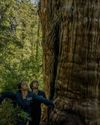
Old trees key to resilience
Study finds mature trees trump youthful ones
1 min
May 2026
BBC Wildlife
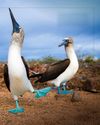
ONE STEP BEYOND
There's a lot more to these quirky seabirds than their eye-catching limbs
2 mins
May 2026
BBC Wildlife
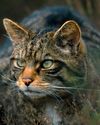
RETURN OF A LEGEND
Once teetering on the very brink of extinction, the elusive Scottish wildcat is prowling the Highlands once more, thanks to a bit of help
7 mins
May 2026
BBC Wildlife
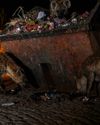
Urban scavengers help curb carbon
New study reveals the extent of emissions saved as city animals feast on food waste
2 mins
May 2026
BBC Wildlife
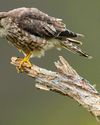
Merlin on the brink
The diminutive raptor is one of many species facing extinction in Britain, suggests new report
1 mins
May 2026
Listen
Translate
Change font size