
Mit Magzter GOLD unbegrenztes Potenzial nutzen
Erhalten Sie unbegrenzten Zugriff auf über 9.000 Zeitschriften, Zeitungen und Premium-Artikel für nur
Versuchen GOLD - Frei
Power Causes Brain Damage
The Atlantic
|July/August 2017
Over time, leaders lose mental capacities—most notably for reading other people—that were essential to their rise.
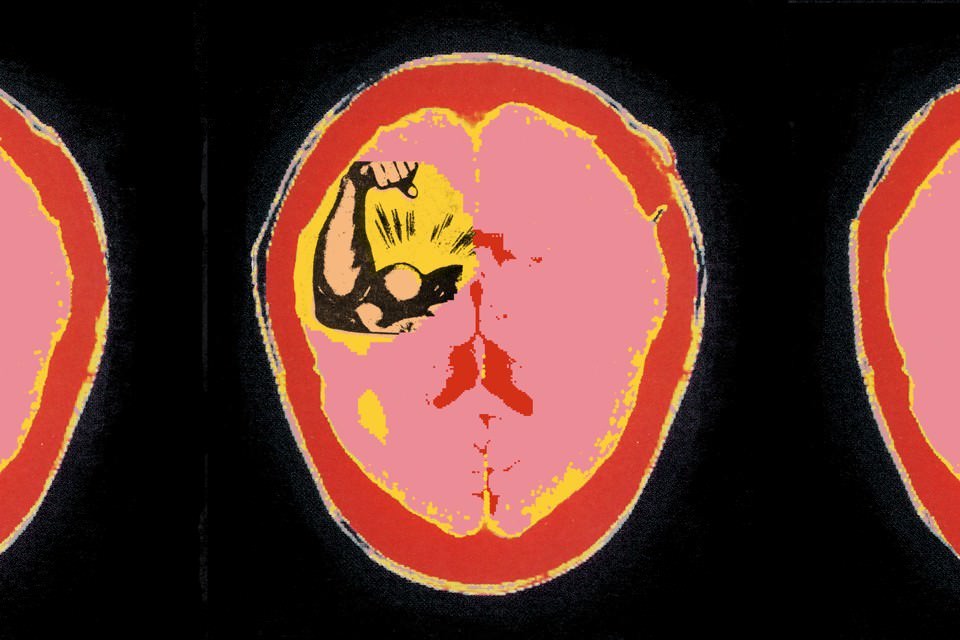
IF POWER WERE a prescription drug, it would come with a long list of known side effects. It can intoxicate. It can corrupt. It can even make Henry Kissinger believe that he’s sexually magnetic. But can it cause brain damage?
When various lawmakers lit into John Stumpf at a congressional hearing last fall, each seemed to find a fresh way to flay the now-former CEO of Wells Fargo for failing to stop some 5,000 employees from setting up phony accounts for customers. But it was Stumpf’s performance that stood out. Here was a man who had risen to the top of the world’s most valuable bank, yet he seemed utterly unable to read a room. Although he apologized, he didn’t appear chastened or remorseful. Nor did he seem defiant or smug or even insincere. He looked disoriented, like a jet-lagged space traveler just arrived from Planet Stumpf, where deference to him is a natural law and 5,000 a commendably small number. Even the most direct barbs—“You have got to be kidding me” (Sean Duffy of Wisconsin); “I can’t believe some of what I’m hearing here” (Gregory Meeks of New York)—failed to shake him awake.
What was going through Stumpf’s head? New research suggests that the better question may be: What wasn’t going through it?
The historian Henry Adams was being metaphorical, not medical, when he described power as “a sort of tumor that ends by killing the victim’s sympathies.” But that’s not far from where Dacher Keltner, a psychology professor at UC Berkeley, ended up after years of lab and field experiments. Subjects under the influence of power, he found in studies spanning two decades, acted as if they had suffered a traumatic brain injury—becoming more impulsive, less risk-aware, and, crucially, less adept at seeing things from other people’s point of view.

Diese Geschichte stammt aus der July/August 2017-Ausgabe von The Atlantic.
Abonnieren Sie Magzter GOLD, um auf Tausende kuratierter Premium-Geschichten und über 9.000 Zeitschriften und Zeitungen zuzugreifen.
Sie sind bereits Abonnent? Anmelden
WEITERE GESCHICHTEN VON The Atlantic
The Atlantic
Deadlier Than Gettysburg
How the cruelty of the Confederacy's prison camps gave rise to the rules of war

10 mins
March 2026

The Atlantic
THE MAN WHO BROKE PHYSICS
One of the pleasures of watching Ilia Malinin, apart from his indifference to gravity, is to witness him becoming.
16 mins
March 2026

The Atlantic
How Toni Morrison Saw History
In her novels, she located the missing story of Black America.
12 mins
March 2026

The Atlantic
The Madness of Lord Tennyson
The Victorian poet was startlingly modern.
5 mins
March 2026

The Atlantic
THE PLOT AGAINST THE HUMANITIES
What is the Andrew W. Mellon Foundation doing to higher education?
22 mins
March 2026
The Atlantic
Why Do Democrats Hate Winning?
Ken Martin has one of those resting dread faces, as if he's bracing for someone to dump a bucket of rocks on his head.
37 mins
March 2026

The Atlantic
ROD DREHER'S DEMONS
HE DERIDES THE ENLIGHTENMENT, SECULARISM, AND THE MODERN WORLD. CONSERVATIVES-INCLUDING THE VICE PRESIDENT-ARE JOINING HIM ON A MARCH BACK TO THE MIDDLE AGES.
20 mins
March 2026

The Atlantic
Every Nation for Itself
President Trump wants to return to the 19th century's international order. He will leave America less prosperous—and the whole world less secure.
19 mins
March 2026

The Atlantic
The Secrets of Indigenous Art
Major exhibits are upending the way people understand Native American and Aboriginal artists.
14 mins
March 2026

The Atlantic
The Novel as Extended Op-Ed
If anyone could write good fiction about immigration, it would probably be Lionel Shriver. Instead, her latest book goes off the rails.
10 mins
March 2026
Translate
Change font size