Versuchen GOLD - Frei
Can India Feed Itself?
Outlook
|April 13, 2020
The foodpipes are clogged. A famine hides in the countryside and stalks the cities.
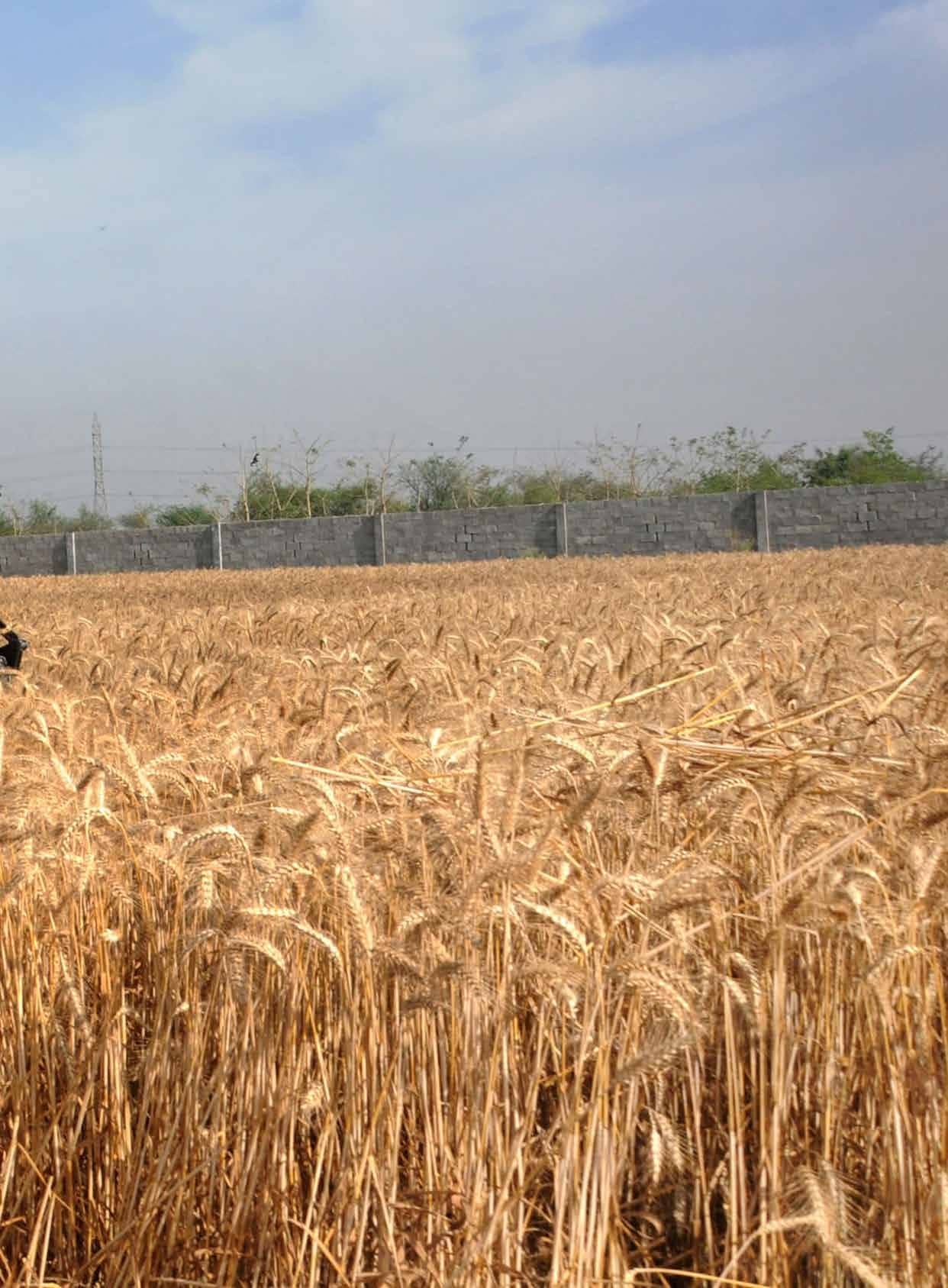
It’s a mess of epic proportions and complex nature—a maze of contradictions. The COVID-19 lockdown—national, and even global in its sheer sweep—has brought a screaming shortage of essentials across the country. At the same time, paradoxically, India has more than enough food to feed her citizens. In the darkest of ironies, the buffer stock of food grain—i.e. the stock in storage—is three times the mandatory requirement. On top of that, there are indications of a bumper crop this season. So the food is there. But herein comes the real knot in the puzzle. How does one get the tiger, the goat and the bundle of grass across the river? It’s a logistical dead-end that governments, both at the Centre and the states, are staring at. They seem simply unable to move the food to where it is required—everyone’s plates.
It’s like blood circulation stopping suddenly in an already suffering body. Truckers are unable to operate freely. They cannot find workers to offload food items, nor do they have the goods to carry for the return journey. Not to speak of being harassed at inter- and intra-state checkposts. The upshot: farmers are unable to sell their produce. And central warehouses have become islands of isolation. Only one in seven major mandis, or wholesale markets, is open across India—so retail supplies in towns, cities, even villages, stand drastically disrupted. It’s not a production calamity, but a distribution nightmare on a national scale.
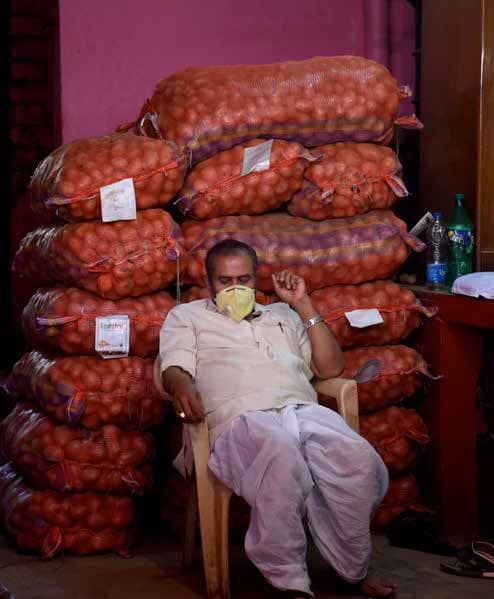
The signs of an ominous food crisis in rural areas are already there. Most rural households—barring the land-owning ones— across six or seven Indian states that

Diese Geschichte stammt aus der April 13, 2020-Ausgabe von Outlook.
Abonnieren Sie Magzter GOLD, um auf Tausende kuratierter Premium-Geschichten und über 9.000 Zeitschriften und Zeitungen zuzugreifen.
Sie sind bereits Abonnent? Anmelden
WEITERE GESCHICHTEN VON Outlook
Outlook
Goapocalypse
THE mortal remains of an arterial road skims my home on its way to downtown Anjuna, once a quiet beach village 'discovered' by the hippies, explored by backpackers, only to be jackbooted by mass tourism and finally consumed by real estate sharks.

2 mins
January 21, 2026

Outlook
A Country Penned by Writers
TO enter the country of writers, one does not need any visa or passport; one can cross the borders anywhere at any time to land themselves in the country of writers.
8 mins
January 21, 2026

Outlook
Visualising Fictional Landscapes
The moment is suspended in the silence before the first mark is made.
1 mins
January 21, 2026
Outlook
Only the Upper, No Lower Caste in MALGUDI
EVERY English teacher would recognise the pleasures, the guilt and the conflict that is the world of teaching literature in a university.
5 mins
January 21, 2026
Outlook
The Labour of Historical Fiction
I don’t know if I can pinpoint when the idea to write fiction took root in my mind, but five years into working as an oral historian of the 1947 Partition, the landscape of what would become my first novel had grown too insistent to ignore.
6 mins
January 21, 2026
Outlook
Conjuring a Landscape
A novel rarely begins with a plot.
6 mins
January 21, 2026

Outlook
The City that Remembered Us...
IN the After-Nation, the greatest crime was remembering.
1 min
January 21, 2026
Outlook
Imagined Spaces
I was talking with the Kudiyattam artist Kapila Venu recently about the magic of eyes.
5 mins
January 21, 2026
Outlook
Known and Unknown
IN an era where the gaze upon landscape has commodified into picture postcards with pristine beauty—rolling hills, serene rivers, untouched forests—the true essence of the earth demands a radical shift.
2 mins
January 21, 2026

Outlook
A Dot in Soot
A splinter in the mouth. Like a dream. A forgotten dream.
2 mins
January 21, 2026
Translate
Change font size