
Mit Magzter GOLD unbegrenztes Potenzial nutzen
Erhalten Sie unbegrenzten Zugriff auf über 9.000 Zeitschriften, Zeitungen und Premium-Artikel für nur
A Bitter Harvest
Outlook
|April 09, 2018
Multiple agitations show all’s not well with the ‘rich’ state of Maharashtra.

COME August, and there’ll be one more—a massive, silent rally in Mumbai’s Azad Maidan, the 58th running under that banner. Through the second half of 2016 and spilling over, lakhs of young boys and girls have marched silently with placards in their hands, dressed in black, all over Maharashtra. The Maratha Kranti Morcha protests had three demands: justice in the barbaric Kopardi rape case (where, in an inversion of usual narratives, the guilty were Dalits and the victim was a minor Maratha girl); reservations for Marathas; and abolition of the SC/ST Atrocities Act. Today, all three are live, hot-button themes. But more than that, the whole phenomenon taps into something more: a raw, deep anger, a disquiet.
Anyone would have noticed: it’s been an unusually rich harvest of agitations for Maharashtra of late. Anger seems to be growing in abundance in those parched fields. Frequent protests, of all shapes and sizes, have become the norm—alm ost as if, together, they manifest some collective deficit in the lives of people. Count the numerous Maratha morchas, the sangharsha yatra of farmers, Dalit protests opposing violence at Bhima Koregaon, protests after the Elphinstone Road railway tragedy, protests by railway apprentice and MPSC aspirants, by ang anwadi workers, by students at the Tata Institute of Social Sciences (TISS), and now the latest, the Kisan Long March that caught the nation’s eyes. It’s striking how they sometimes overlap, sometimes compete, and always seem to straddle economics and politics—how unmet promises on the MSP, for instance, may fuel an assertion of caste identity.
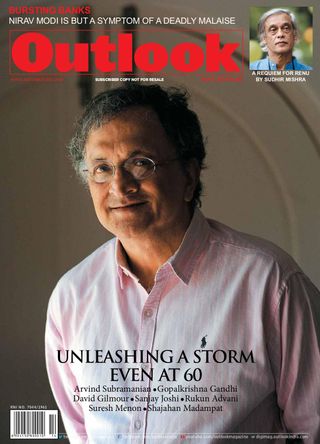

Diese Geschichte stammt aus der April 09, 2018-Ausgabe von Outlook.
Abonnieren Sie Magzter GOLD, um auf Tausende kuratierter Premium-Geschichten und über 9.000 Zeitschriften und Zeitungen zuzugreifen.
Sie sind bereits Abonnent? Anmelden
WEITERE GESCHICHTEN VON Outlook

Outlook
The Big Blind Spot
Caste boundaries still shape social relations in Tamil Nadu-a state long rooted in self-respect politics

8 mins
December 11, 2025

Outlook
Jat Yamla Pagla Deewana
Dharmendra's tenderness revealed itself without any threats to his masculinity. He adapted himself throughout his 65-year-long career as both a product and creature of the times he lived through
5 mins
December 11, 2025
Outlook
Fairytale of a Fallow Land
Hope Bihar can once again be that impossibly noisy village in Phanishwar Nath Renu's Parti Parikatha-divided, yes, but still capable of insisting that rights are not favours and development is more than a slogan shouted from a stage
14 mins
December 11, 2025

Outlook
The Lesser Daughters of the Goddess
The Dravidian movement waged an ideological war against the devadasi system. As former devadasis lead a new wave of resistance, the practice is quietly sustained by caste, poverty, superstition and inherited ritual
2 mins
December 11, 2025

Outlook
The Meaning of Mariadhai
After a hundred years, what has happened to the idea of self-respect in contemporary Tamil society?
5 mins
December 11, 2025

Outlook
When the State is the Killer
The war on drugs continues to be a war on the poor
5 mins
December 11, 2025

Outlook
We Are Intellectuals
A senior law officer argued in the Supreme Court that \"intellectuals\" could be more dangerous than \"ground-level terrorists\"
5 mins
December 11, 2025

Outlook
An Equal Stage
The Dravidian Movement used novels, plays, films and even politics to spread its ideology
12 mins
December 11, 2025
Outlook
The Dignity in Self-Respect
How Periyar and the Self-Respect Movement took shape in Tamil Nadu and why the state has done better than the rest of the country on many social, civil and public parameters
5 mins
December 11, 2025

Outlook
When Sukumaar Met Elakkiya
Self-respect marriage remains a force of socio-political change even a century later
7 mins
December 11, 2025
Translate
Change font size