
استمتع بـUnlimited مع Magzter GOLD
احصل على وصول غير محدود إلى أكثر من 9000 مجلة وصحيفة وقصة مميزة مقابل
يحاول ذهب - حر
A new database reveals how DNA mutations trigger genetic diseases
Issue 200
|How It Works UK
Scientists have created a mega-database revealing how half a million different DNA mutations generate errors in proteins in humans.
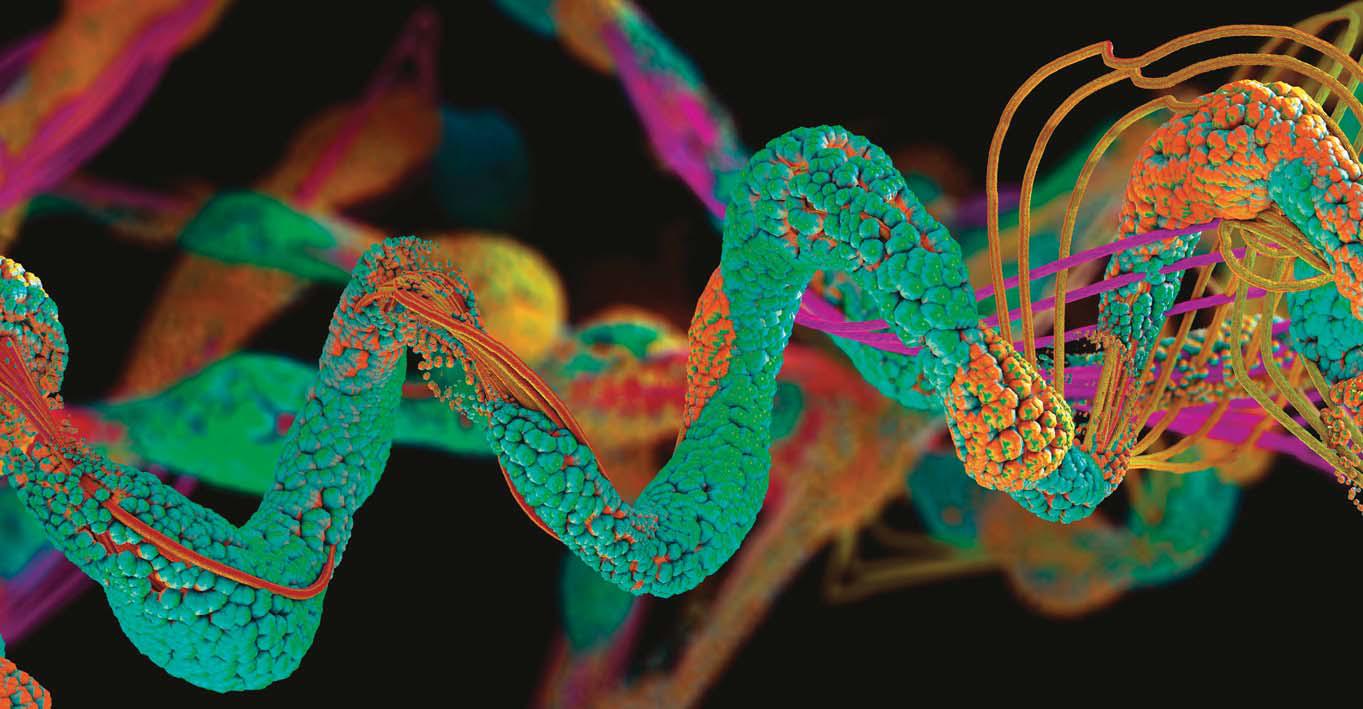
The researchers hope that the database will be used to develop new, personalised drugs that directly reverse the mutations' effects. The human genome carries instructions for at least 20,000 proteins, which are essential for nearly all physiological processes. Each building block of a protein, called an amino acid, is key to its function, and thus swapping around the amino acids can essentially break a protein.
'Missense' mutations – changes in a DNA sequence that swap one amino acid for another – in nearly 5,000 human proteins are known to cause genetic diseases such as Huntington's disease and cystic fibrosis. However, in many cases it’s not entirely clear how these mutations affect the structure and function of proteins and thus cause disease. Without this understanding, it’s tricky to develop targeted treatments for genetic disorders without altering the genome itself.

هذه القصة من طبعة Issue 200 من How It Works UK.
اشترك في Magzter GOLD للوصول إلى آلاف القصص المتميزة المنسقة، وأكثر من 9000 مجلة وصحيفة.
هل أنت مشترك بالفعل؟ تسجيل الدخول
المزيد من القصص من How It Works UK
How It Works UK
SPACE MINING UNCOVERED
Asteroids rich in rare elements could be harvested for their valuable contents, but the real worth may be in using them as interplanetary fuel stations

2 mins
Issue 211

How It Works UK
Human refuse is ‘kick-starting’ the domestication of raccoons
City-dwelling raccoons are showing early signs of domestication. Using photos uploaded to the citizen science platform iNaturalist, researchers found that raccoons in urban environments had shorter snouts than their rural counterparts. The difference could be one of several traits that make up 'domestication syndrome', the scientists wrote in a study published in the journal Frontiers in Zoology. Domesticated animals typically become less aggressive towards humans over time. They gradually develop a relationship in which people provide for them in exchange for resources, such as meat and milk from livestock or labour from herding dogs. That process often involves selectively breeding animals for certain desirable traits, but it doesn't always begin that way. \"I wanted to know if living in a city environment would kick-start domestication processes in animals that are currently not domesticated,\" said Raffaela Lesch, a zoologist at the University of Arkansas at Little Rock.
1 mins
Issue 211

How It Works UK
WHY THINGS ROT
How dead plants and animals decay, and how living organisms rely on this natural process to survive
3 mins
Issue 211

How It Works UK
BOOZE, BEANS AND YOUR BODY
Caffeine and alcohol are two of the world's most common drugs. But what effects does drinking them have on our brains and bodies?
5 mins
Issue 211

How It Works UK
HOW TO CLEAN A SKYSCRAPER WINDOW
Discover how skilled window cleaners with nerves of steel tackle these towering glass facades
2 mins
Issue 211

How It Works UK
ASTRONAUTS SEE COMET LEMMON 'ABSORBED' BY AURORAE
For skywatchers, scientists and even the astronauts on the International Space Station (ISS), the skies have been active. The Sun has released its largest eruptions of 2025, sparking a series of aurorae that have reached as far south as Mexico. While astronauts on the ISS had to take shelter during the recent solar storms to avoid potentially dangerous radiation, they did manage to capture this image of Comet Lemmon appearing near the aurorae on Earth.
1 min
Issue 211
How It Works UK
HOW TO MAKE MAPLE SYRUP
Your favourite pancake topping is much more than just a sugary treat made in a factory
1 mins
Issue 211
How It Works UK
A high-fibre diet may ‘rejuvenate' immune cells that fight cancer
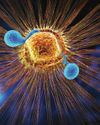
Microbes in the gut can help the immune system fight cancer, and a fibre-rich diet may be the key to unlocking those benefits, a study in mice suggests. The immune system is a key player in the body’s battle against cancer. On the front line of this resistance are CD8+ killer T cells, a type of immune cell that marauds around tumours and then exterminates the cancerous cells. But after each successive battle, these cells become worn out and don’t find tumours as effectively. As such, treatments that provide the cells with enough pep to finish their job are in high demand.
2 mins
Issue 211

How It Works UK
SEE THE BUTTERFLY NEBULA LIKE NEVER BEFORE
On 26 November 2025, the Gemini South telescope turned 25, and astronomers celebrated its birthday with a dazzling new image of the Butterfly Nebula.
1 min
Issue 211

How It Works UK
The Gulf of Suez is pulling apart
The Gulf of Suez, which partially divides Africa and Asia, may still be widening 5 million years after we thought it had stopped.
2 mins
Issue 211
Listen
Translate
Change font size