يحاول ذهب - حر
WHY THINGS ROT
Issue 211
|How It Works UK
How dead plants and animals decay, and how living organisms rely on this natural process to survive
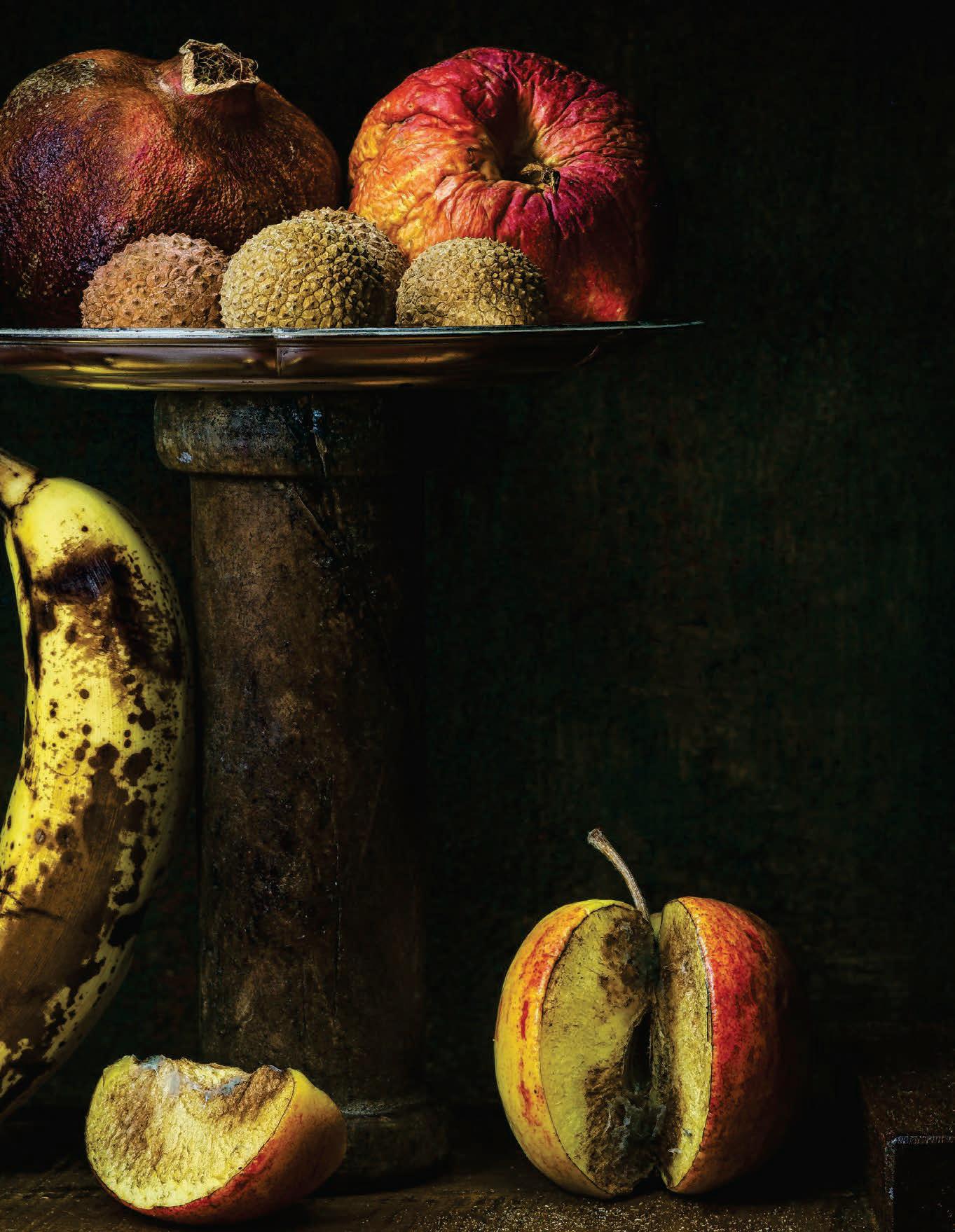
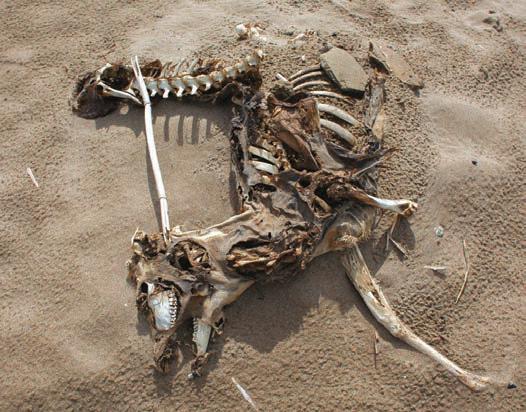
Rotting, better known as decay or decomposition, is a natural process where the organic molecules that make up a plant or animal start to break down into simpler and simpler substances.
There are several stages of decay, and the first is called autolysis. When the cells of an organism are starved of nutrients and waste products build up inside them, it causes a group of organelles (structures within a cell) called lysosomes to break open. Inside the lysosomes are digestive enzymes, which are typically used to battle pathogens. During autolysis, however, the lysosomal enzymes digest and break down the cell and its contents.
Autolysis isn’t restricted to the decomposition of an animal, it's also a helpful process for many animals that undergo metamorphosis. For example, when tadpoles are transitioning into their froggy form, the cells that make up their tails are ‘destroyed’ through autolysis and replaced with cells and tissue that give them their legs. Plants are slightly different in their initial decay. Lacking in the lysosome department, plants use similar digestive enzymes found in a large organelle called the vacuole within each cell.

هذه القصة من طبعة Issue 211 من How It Works UK.
اشترك في Magzter GOLD للوصول إلى آلاف القصص المتميزة المنسقة، وأكثر من 9000 مجلة وصحيفة.
هل أنت مشترك بالفعل؟ تسجيل الدخول
المزيد من القصص من How It Works UK
How It Works UK
FORMULA FAST
YOUR ULTIMATE GUIDE TO FORMULA ONE RACING

1 mins
Issue 212
How It Works UK
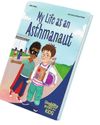
MY LIFE AS AN ASTHMANAUT
A CHILDREN'S BOOK ABOUT ASTHMA
1 min
Issue 212
How It Works UK
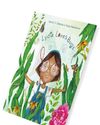
LYDIA LOVES BUGS
A SHORT AND SWEET STORY OF AN ENTHUSIASTIC ENTOMOLOGIST
1 min
Issue 212

How It Works UK
INSIDE A DRONE
Drones aren't just for the military any more. These flying marvels are now taking over our lives
3 mins
Issue 212
How It Works UK
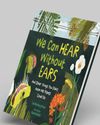
WE CAN HEAR WITHOUT EARS
AND OTHER THINGS YOU DIDN'T KNOW WE PLANTS COULD DO
1 min
Issue 212
How It Works UK
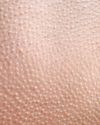
DO GEESE GET GOOSEBUMPS?
Many animals experience a similar reaction when they feel cold or scared
2 mins
Issue 212
How It Works UK
SUBMARINES WITHOUT SAILORS
Dive into the world of autonomous submarines and discover the mission that will see one sail around the world
4 mins
Issue 212
How It Works UK
WHAT HAPPENS INSIDE A COCOON?
How certain species of insects transform from crawling caterpillars to flying moths and butterflies
3 mins
Issue 212

How It Works UK
HOW THE ROSE LOST ITS SCENT
From floral to fragranceless, there's a biological reason behind a rose's missing odour today
3 mins
Issue 212
How It Works UK
How many insects have been discovered so far?
The total number of named species is around a million.
7 mins
Issue 212
Listen
Translate
Change font size