يحاول ذهب - حر
HOW INDIA MOVES GRIDLOCKED
July 16, 2025
|Down To Earth
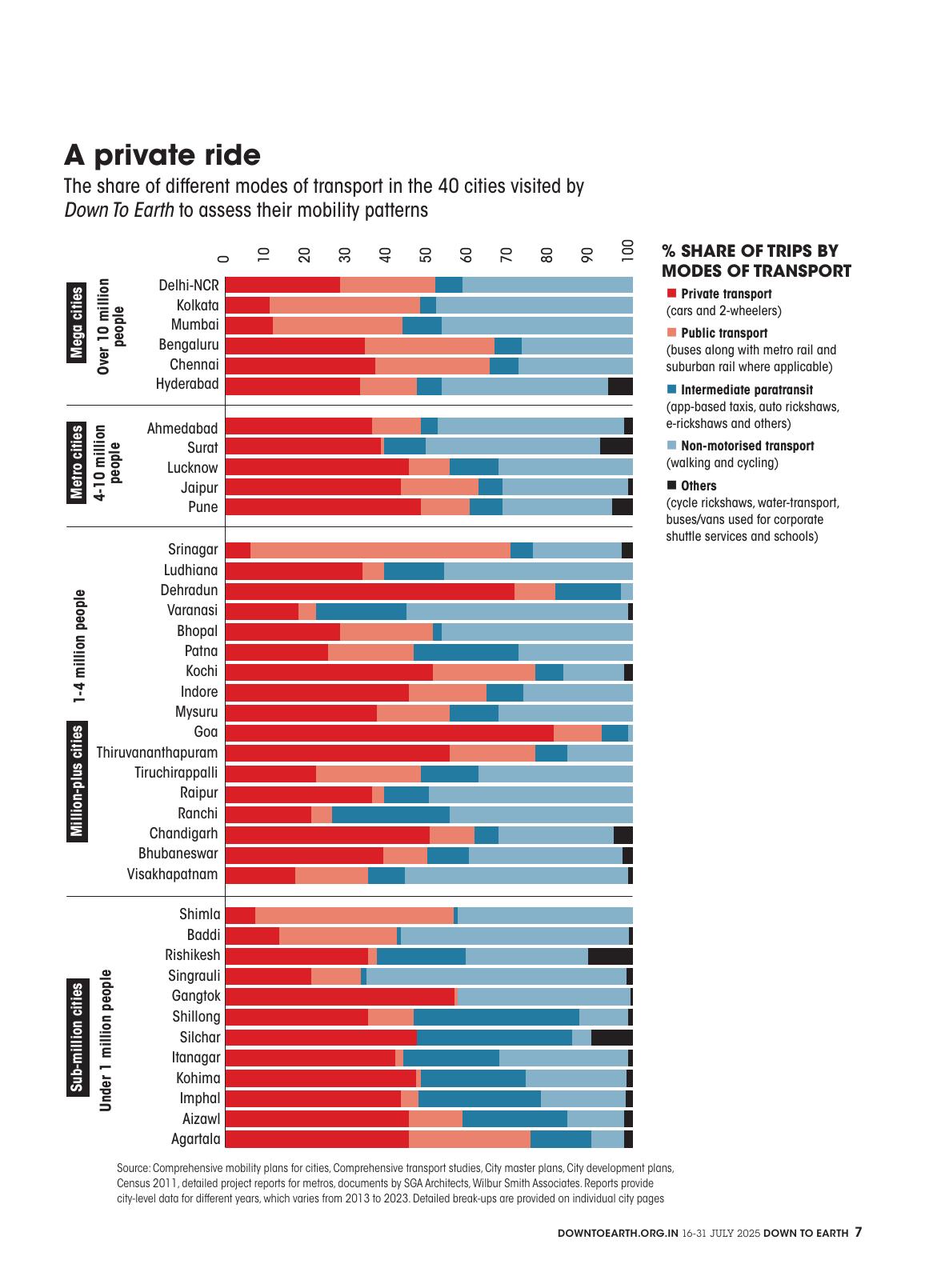
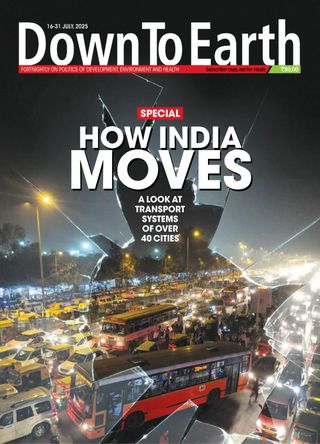
India moves is brutally simple: it does not. Urban India is gridlocked and congested, and the problem is not limited to big cities. An analysis by SUNITA NARAIN, ANUMITA ROYCHOWDHURY, SHUBHAM SRIVASTAVA AND SAYAN ROY
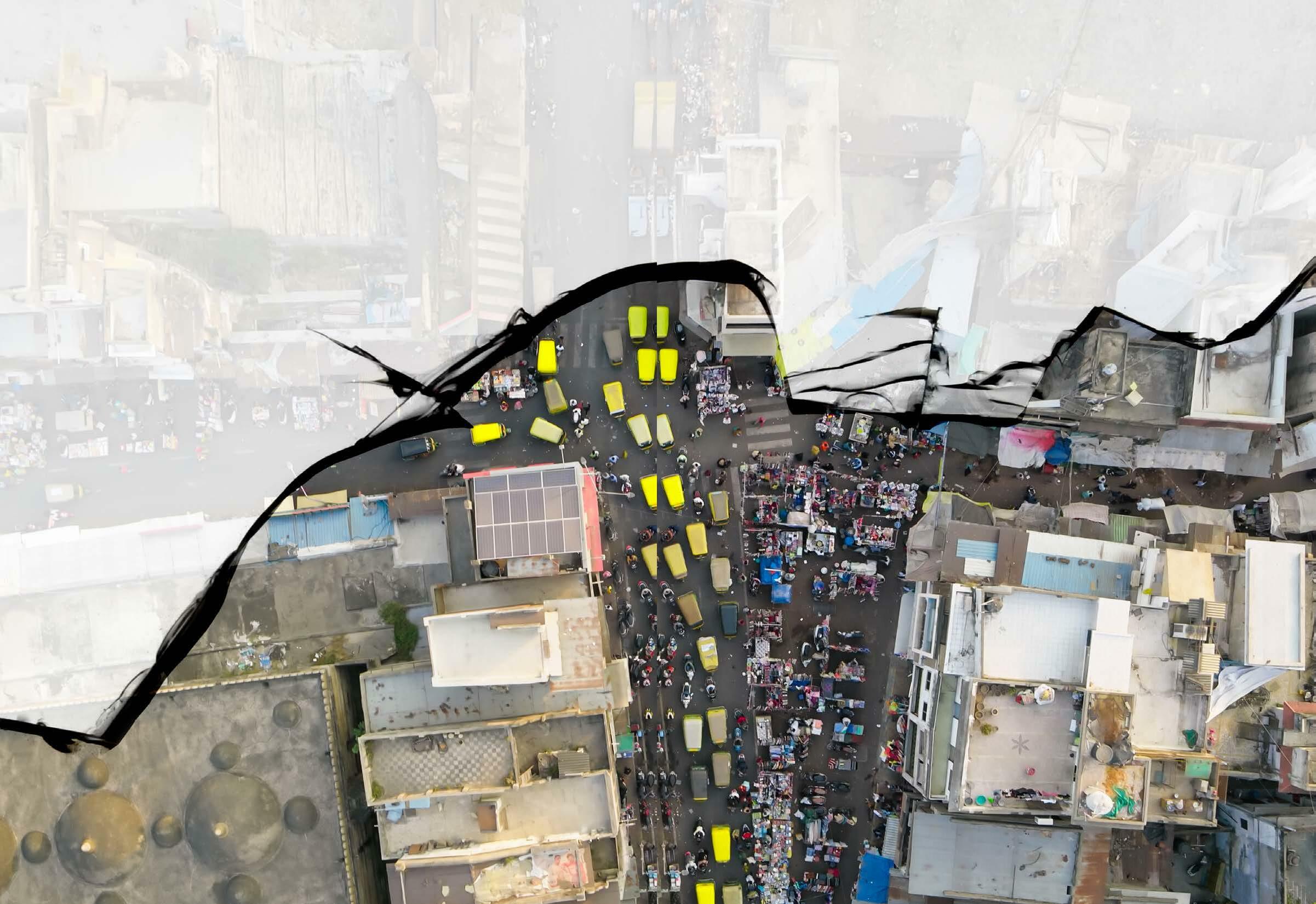
JUST ABOUT everywhere in Indian cities, the time it takes for people to travel to work or for leisure doubles between the off-peak and peak hours. What we often fail to realise is that congestion is not benignit not only contributes to the toxic pollution in the air we breathe, but also takes a toll on our mental well-being. It is this human face of being stuck in traffic that should compel us to make a change.
Richie (name changed), a professional in the development sector in Delhi, commutes 30 km from Dwarka to South Delhi for work. He estimates that he loses 24 hours-a full day-every eight days to traffic congestion. That adds up to nearly two years lost to traffic, over the past 15 years of commuting to his workplace from Dwarka. This is despite Richie's efforts to avoid peak traffic hours, which in Delhi typically run from 9 am to 12 noon and again from 6 pm to 9 pm.
Richie's colleague Kiran, who also lives in Dwarka, prefers to take the metro.
But it does not ease her commute much. To cover the last leg of her journey-4.5 km from the metro station to office-she relies on autorickshaws, which take anywhere from 20 to 40 minutes to cover the distance, depending on congestion.
This is a daily ordeal, which has a huge impact on our quality of life and mental health. We lose productive time stuck in traffic; we lose time with our families; and by the time we reach our destination, it feels as though we have come through a warzone.

هذه القصة من طبعة July 16, 2025 من Down To Earth.
اشترك في Magzter GOLD للوصول إلى آلاف القصص المتميزة المنسقة، وأكثر من 9000 مجلة وصحيفة.
هل أنت مشترك بالفعل؟ تسجيل الدخول
المزيد من القصص من Down To Earth
Down To Earth
CONSERVED BY COMMUNITY
How a desire to make snow leopard tourism sustainable helped a small Ladakhi settlement became the region's first Community Conserved Area

4 mins
May 16, 2026

Down To Earth
An 'open' and 'shut' case of Al's risky trajectory
Elon Musk's lawsuit against Sam Altman, OpenAl, Microsoft is crucially about open-source versus closed technology for corporate profit
4 mins
May 16, 2026
Down To Earth
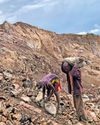
Burden of transition
Clean energy transition is once again shifting environmental, human costs to the Global South, finds a UN university investigation
4 mins
May 16, 2026
Down To Earth
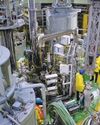
One step closer
India attains criticality in fast breeder reactor technology, reaching the second stage of the country's three- stage nuclear programme towards energy security
4 mins
May 16, 2026

Down To Earth
ZESTY SEEDS
Coriander seeds are a traditional antidote to summer heat
3 mins
May 16, 2026

Down To Earth
Sahyadri gets a bird village
Residents of Maharashtra's Pisavare village have embarked on a mission to protect birds in their vicinity through simple practices such as documenting species and building nests
2 mins
May 16, 2026

Down To Earth
CONFLICT IN THE BACKYARD
Across India, farmers are abandoning their fields as conflict with wild and stray animals intensifies. Conservation policy must move beyond protection alone to restore a workable coexistence between people and animals.
18 mins
May 16, 2026

Down To Earth
Capital punishment
Adequate compensation and proper rehabilitation remain a mirage for many displaced by the construction of Chhattisgarh's new capital, Nava Raipur, even two decades after the project began
3 mins
May 16, 2026
Down To Earth
Migrant workers are assets
MIGRATION HAS turned into a potent tool of political warfare across the world. For over a decade, domestic electoral politics across regions, from Europe and North America to Asia and Africa, have fuelled anti-immigration sentiments. This is also increasingly fuelling anti-immigrant vigilantism, as seen widely across Europe in 2015-16, coinciding with the refugee crisis.
2 mins
May 16, 2026
Down To Earth
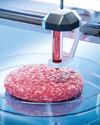
Petri dish to plate
Synthetic meat production has seen a rise globally, even as environmental benefits of growing foods in laboratory remain debatable
10 mins
May 16, 2026
Listen
Translate
Change font size