يحاول ذهب - حر
FIRST CONTACT
October 2025
|BBC Sky at Night Magazine
Seven missions that gave us our first real look at alien worlds
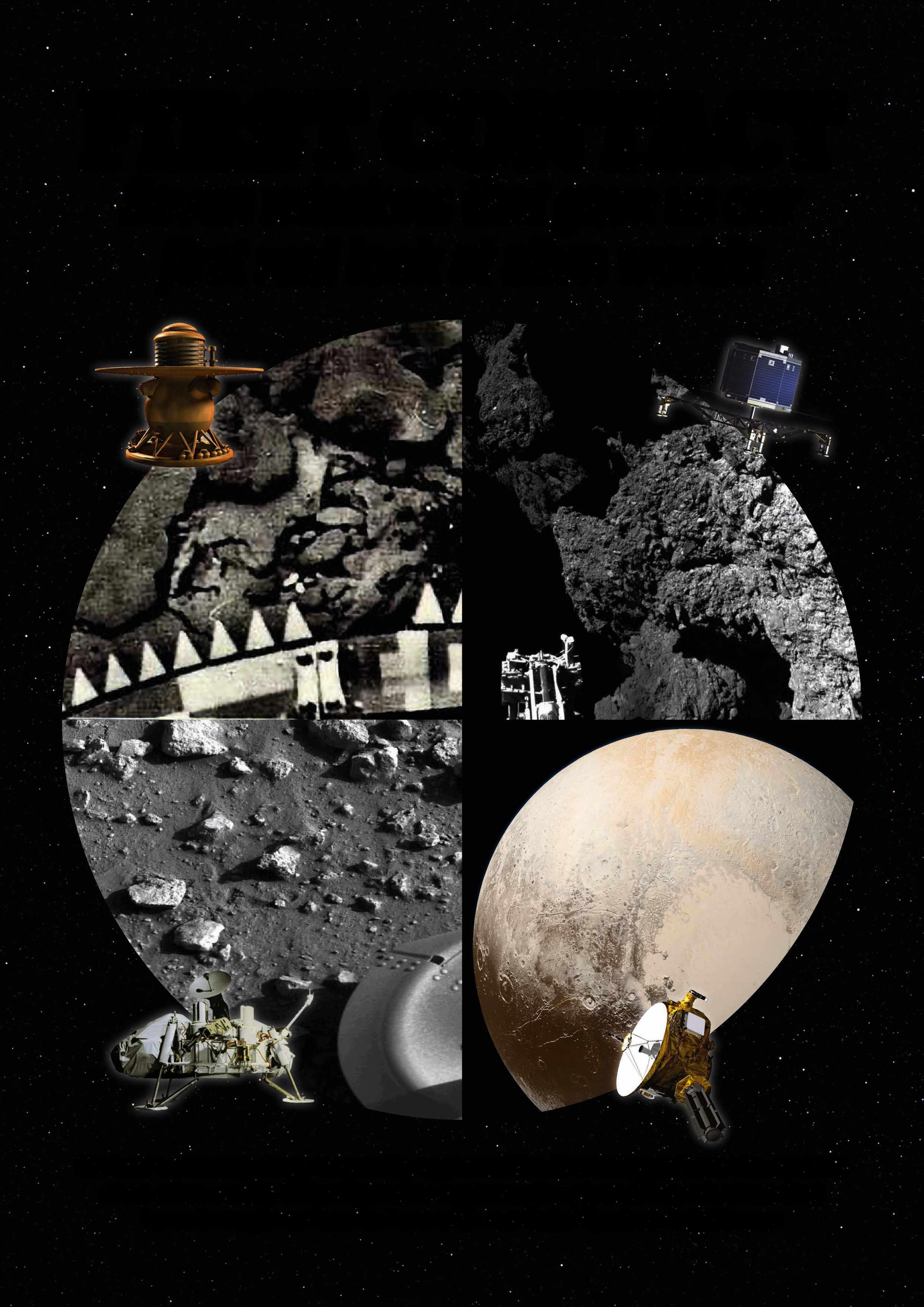
It's half a century since humanity captured the first images from the surface of an alien world. Giles Sparrow explores the pioneering missions that have brought us face to face with our Solar System neighbours
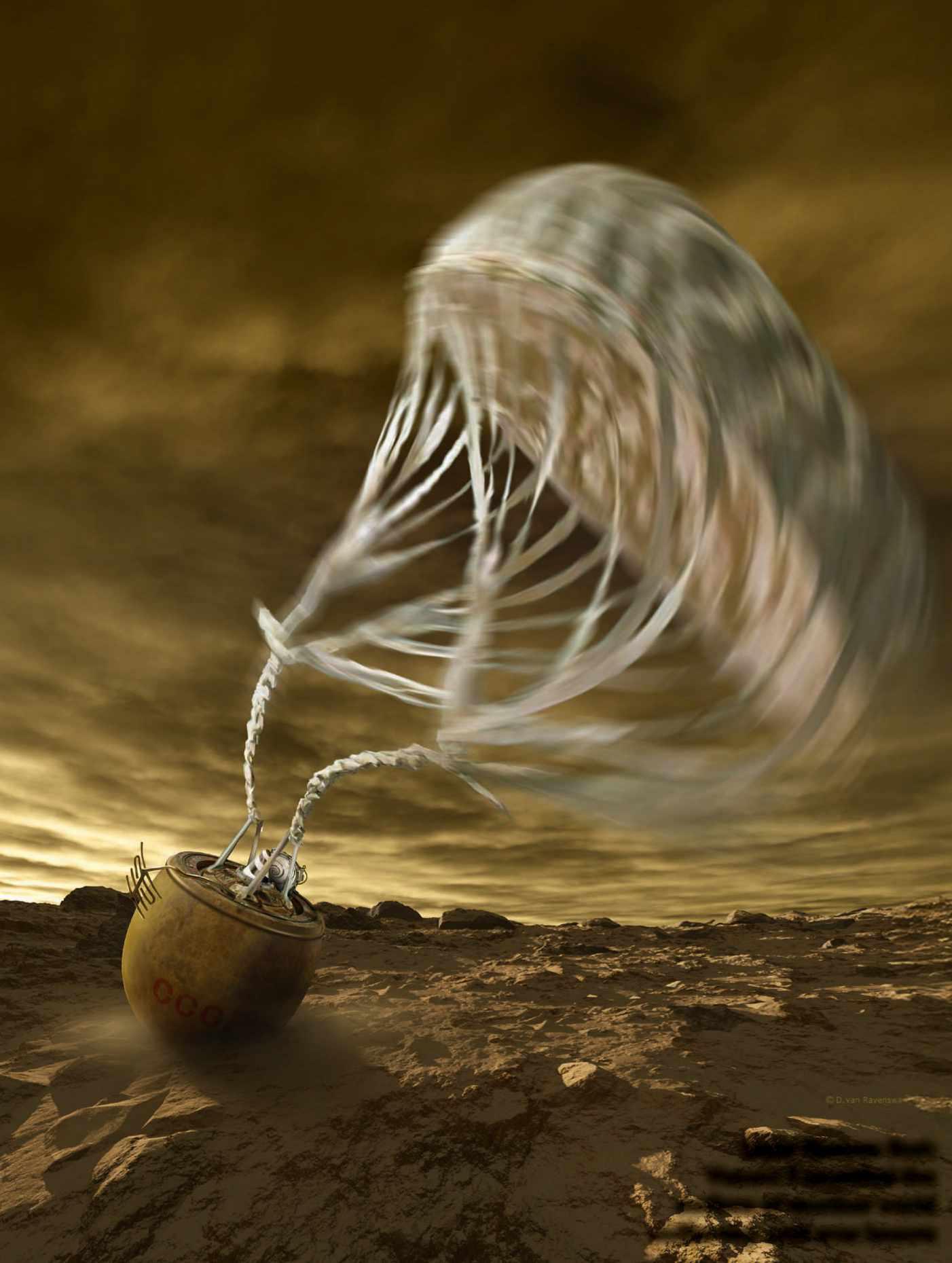
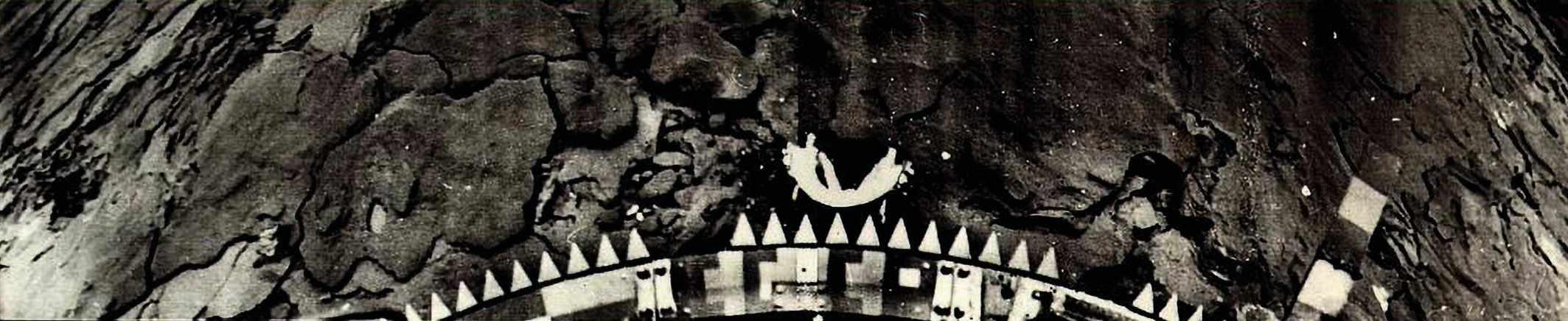
This October marks 50 years since a heavily shielded spacecraft, the Soviet Union's Venera 9, parachuted into the atmosphere of Venus. Then, having landed, it did something extraordinary: it beamed back the first images ever captured from the surface of another planet. The pictures of its baking hot terrain marked a huge leap forward in our understanding of our nearest planetary neighbour.
 But it was just one of many missions to revolutionise Solar System science. Space probes have now returned closeups of all the major planets, countless moons and many smaller objects. Some made flybys, while others stayed in orbit to conduct detailed surveys. Several landed. Some even drove across the alien surface. Here we recall some of those first encounters, the ingenious science and engineering they required, and the extraordinary images that reshaped our view of our corner of the cosmos.
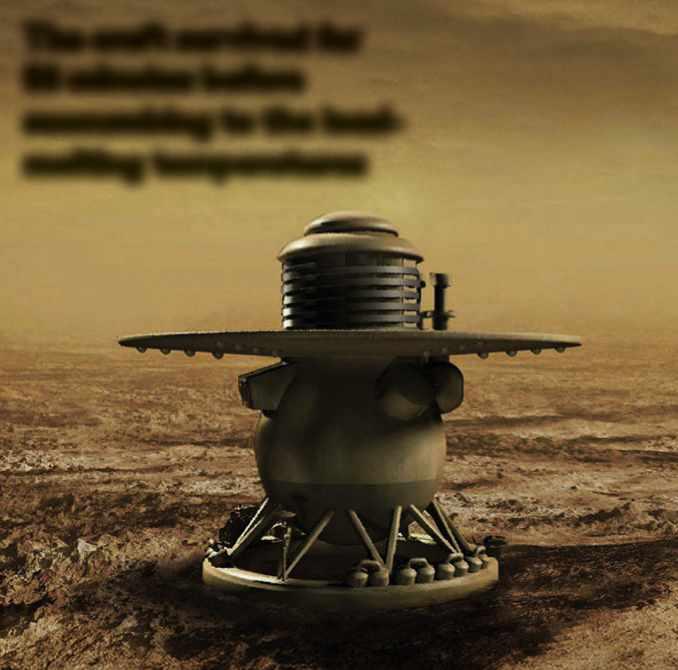
 Venera 9 on Venus: 53 minutes in hell
Venera 9 was the sixth spacecraft to brave Venus's thick, corrosive atmosphere, and built on lessons from earlier missions to survive the punishing descent and extend its survival on the hostile surface. Electronic video cameras were mounted on either side of the lander, but a jammed lens cap meant that only one was able to return images.

هذه القصة من طبعة October 2025 من BBC Sky at Night Magazine.
اشترك في Magzter GOLD للوصول إلى آلاف القصص المتميزة المنسقة، وأكثر من 9000 مجلة وصحيفة.
هل أنت مشترك بالفعل؟ تسجيل الدخول
المزيد من القصص من BBC Sky at Night Magazine
BBC Sky at Night Magazine
The Giant Leap: Why Space is the Next Frontier in the Evolution of Life
“Earth is the cradle of humanity, but one cannot live in the cradle forever,” wrote Konstantin Tsiolkovsky in 1911.

1 mins
February 2026
BBC Sky at Night Magazine
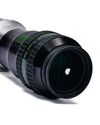
Tele Vue Nagler Type-7 series eyepieces
These premium optics were inspired by Apollo - and deliver a giant leap to your views
4 mins
February 2026
BBC Sky at Night Magazine
Once Upon a Time in Space
While the Space Race of the Cold War years was ultimately a geopolitical contest between the USA and the Soviet Union, the rivalry sparked rapid innovation and inspired multiple generations to look skyward.
1 mins
February 2026
BBC Sky at Night Magazine
The Multiverse: When One Universe Isn't Enough
The concept of a 'multiverse' – the idea that our Universe may be just one of many – is widespread in science fiction and a common thread of online discussions.
1 mins
February 2026
BBC Sky at Night Magazine
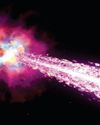
Q&A WITH A GAMMA RAY SPECIALIST
In 2025, astronomers detected a blast from space that lasted seven hours. Now they're uncovering the strange processes behind the exceptional outburst
3 mins
February 2026
BBC Sky at Night Magazine
Astronomy Photographer of the Year
The world-leading astrophotography competition returns. Could your image take the top prize of £10,000?
2 mins
February 2026
BBC Sky at Night Magazine
MOONWATCH
February's top lunar feature to observe
2 mins
February 2026
BBC Sky at Night Magazine
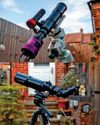
NOVAStar Scarlet A62Q 62mm f/8.4 quadruplet achromatic refractor
Well-built and capable, this beginner scope punches well above its bargain price
4 mins
February 2026
BBC Sky at Night Magazine
STAR OF THE MONTH
Rasalas, Leo the Lion's metal-rich crown
1 min
February 2026
BBC Sky at Night Magazine
Comet 24P/Schaumasse
Having reached perihelion on 8 January, comet 24P/ Schaumasse is now fading. Starting the month at a small-telescope-friendly mag. +10.5, it dims throughout February to below 12th magnitude.
1 min
February 2026
Listen
Translate
Change font size