يحاول ذهب - حر
Chasing Canada's polar lights
January 2026
|BBC Sky at Night Magazine
With solar maximum peaking and a new Moon promising dark skies, Jamie Carter travels to Churchill, Manitoba to hunt the Northern Lights - and dodge polar bears – in Canada's far north
-
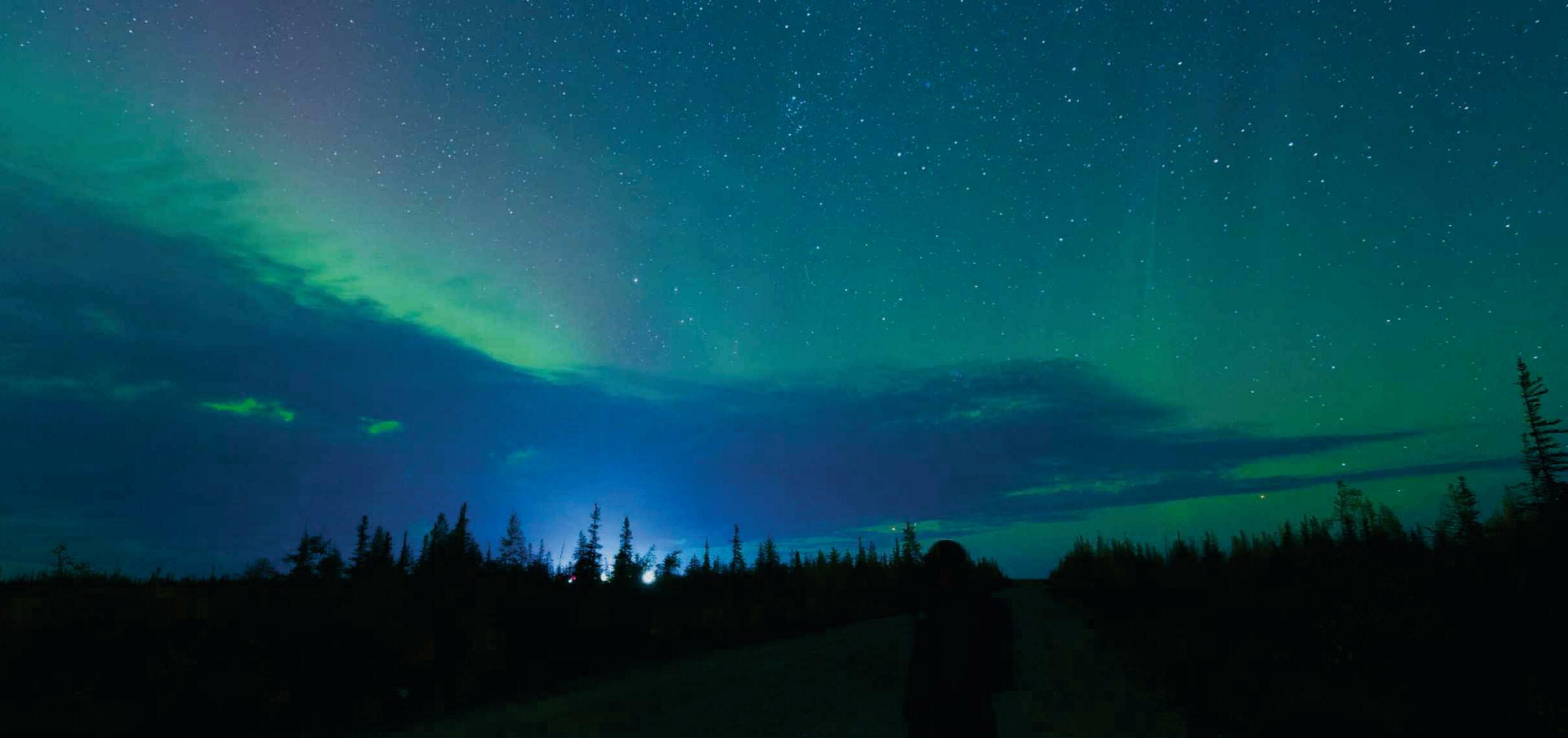
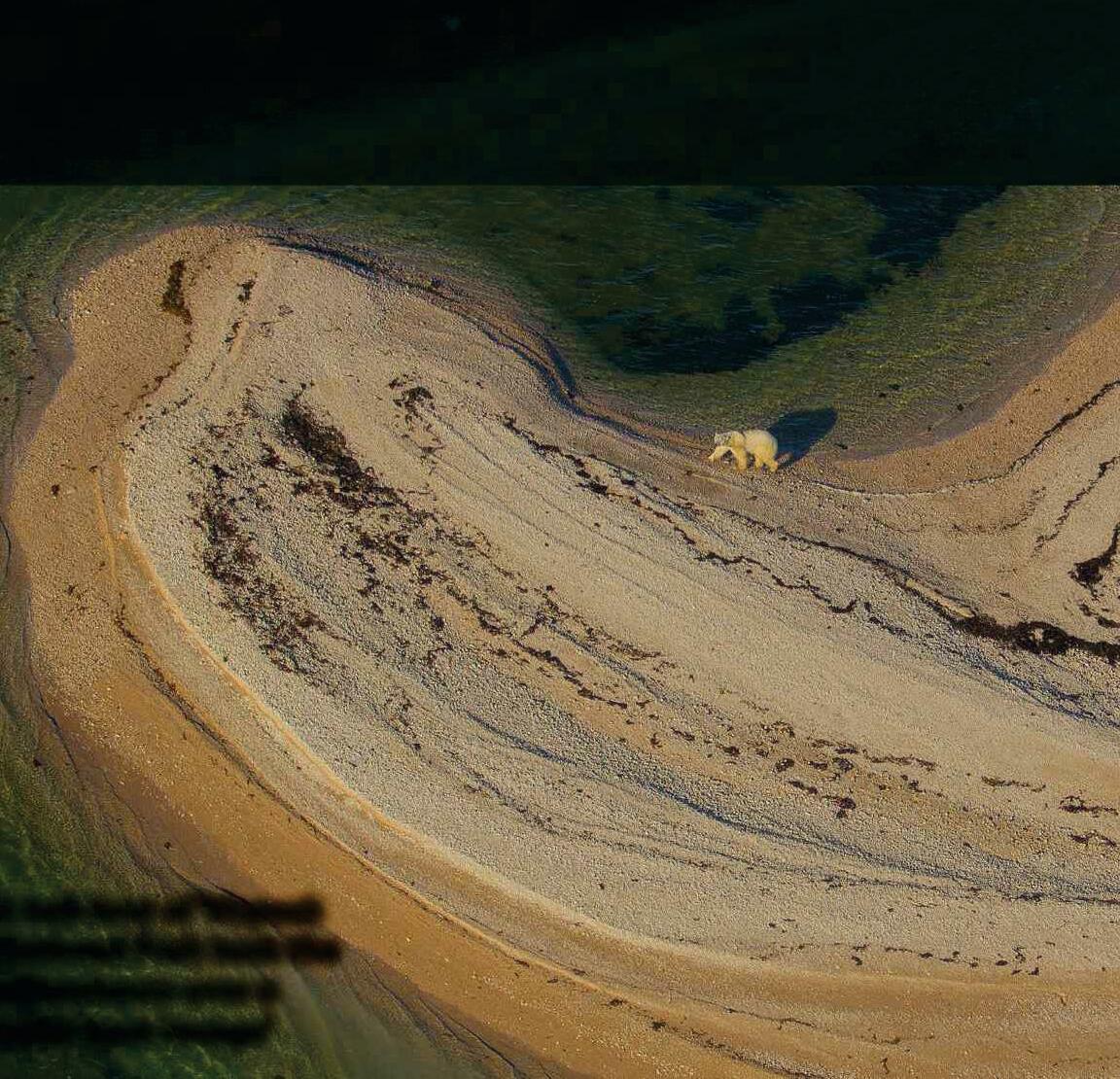
If Ursa Major, the Great Bear constellation, dominates the northern sky above Canada, then below it – across the frozen Arctic tundra – it’s Ursus maritimus, the polar bear, that rules.
And between the constellation and the polar bears lies the auroral oval, a near-permanent ring of light that circles Earth's poles.
Churchill, Manitoba is bear country in every sense. Even the word Arctic comes from the Greek ‘arktós’, meaning bear, a nod to the constellations circling Polaris, the North Star. That North Star always hangs high above this frontier town located at latitude 59° north, where 890 people – and almost as many polar bears – live on the shore of Hudson Bay. I'm here with 15 others on a special science-themed Lazy Bear Expeditions trip to see and to learn about the Northern Lights. And the timing is no accident – it's September, it's the equinox, and there's a new Moon, all of which maximise our chances of geomagnetic activity and dark skies. It's also halfway between the Beluga whale-spotting season (June–August) and near peak polar bear months (October and November), so we've a decent chance of seeing both, as well as the aurora – if skies are clear. All the rumours on the two-hour plane ride from Winnipeg have been of cloud, but we arrive in sync with a high-pressure system – it's suddenly all blue skies and short sleeves – and a forecast for lots of geomagnetic activity in a few days.
 Lights, rifles... action!

هذه القصة من طبعة January 2026 من BBC Sky at Night Magazine.
اشترك في Magzter GOLD للوصول إلى آلاف القصص المتميزة المنسقة، وأكثر من 9000 مجلة وصحيفة.
هل أنت مشترك بالفعل؟ تسجيل الدخول
المزيد من القصص من BBC Sky at Night Magazine
BBC Sky at Night Magazine
The Giant Leap: Why Space is the Next Frontier in the Evolution of Life
“Earth is the cradle of humanity, but one cannot live in the cradle forever,” wrote Konstantin Tsiolkovsky in 1911.

1 mins
February 2026
BBC Sky at Night Magazine
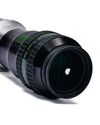
Tele Vue Nagler Type-7 series eyepieces
These premium optics were inspired by Apollo - and deliver a giant leap to your views
4 mins
February 2026
BBC Sky at Night Magazine
Once Upon a Time in Space
While the Space Race of the Cold War years was ultimately a geopolitical contest between the USA and the Soviet Union, the rivalry sparked rapid innovation and inspired multiple generations to look skyward.
1 mins
February 2026
BBC Sky at Night Magazine
The Multiverse: When One Universe Isn't Enough
The concept of a 'multiverse' – the idea that our Universe may be just one of many – is widespread in science fiction and a common thread of online discussions.
1 mins
February 2026
BBC Sky at Night Magazine
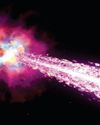
Q&A WITH A GAMMA RAY SPECIALIST
In 2025, astronomers detected a blast from space that lasted seven hours. Now they're uncovering the strange processes behind the exceptional outburst
3 mins
February 2026
BBC Sky at Night Magazine
Astronomy Photographer of the Year
The world-leading astrophotography competition returns. Could your image take the top prize of £10,000?
2 mins
February 2026
BBC Sky at Night Magazine
MOONWATCH
February's top lunar feature to observe
2 mins
February 2026
BBC Sky at Night Magazine
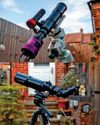
NOVAStar Scarlet A62Q 62mm f/8.4 quadruplet achromatic refractor
Well-built and capable, this beginner scope punches well above its bargain price
4 mins
February 2026
BBC Sky at Night Magazine
STAR OF THE MONTH
Rasalas, Leo the Lion's metal-rich crown
1 min
February 2026
BBC Sky at Night Magazine
Comet 24P/Schaumasse
Having reached perihelion on 8 January, comet 24P/ Schaumasse is now fading. Starting the month at a small-telescope-friendly mag. +10.5, it dims throughout February to below 12th magnitude.
1 min
February 2026
Listen
Translate
Change font size