يحاول ذهب - حر
Scientists find a new way to spot AI 'hallucinations'
July 15, 2024
|TIME Magazine
TODAY’S GENERATIVE ARTIFICIAL INTELLIGENCE (AI) tools often confidently assert false information.
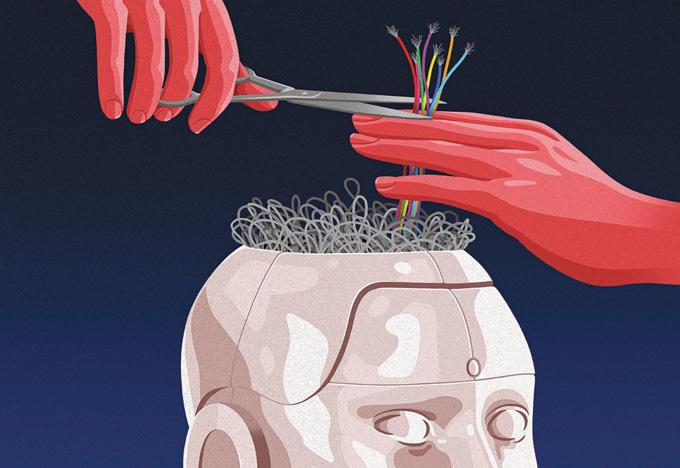
Computer scientists call this behavior “hallucination,” and it has led to some embarrassing public slip-ups. In February, Air Canada was forced by a tribunal to honor a discount that its customer- support chatbot had mistakenly offered to a passenger. In May, Google made changes to its new “AI overviews” search feature, after it told some users that it was safe to eat rocks. And in June 2023, two lawyers were fined $5,000 after one of them used ChatGPT to help him write a court filing. The chatbot had added fake citations to the submission, which pointed to cases that never existed.
But at least some types of AI hallucinations could soon be a thing of the past. New research, published June 19 in the peer-reviewed journal Nature, describes a new method for detecting when an AI tool is likely to be hallucinating. The method is able to discern between correct and incorrect AI- generated answers approximately 79% of the time, which is about 10 percentage points higher than other leading strategies. The results could pave the way for more- reliable AI systems in the future.


هذه القصة من طبعة July 15, 2024 من TIME Magazine.
اشترك في Magzter GOLD للوصول إلى آلاف القصص المتميزة المنسقة، وأكثر من 9000 مجلة وصحيفة.
هل أنت مشترك بالفعل؟ تسجيل الدخول
Listen
Translate
Change font size