يحاول ذهب - حر
Philosophy & Hurling: Thinking & Playing
February/March 2024
|Philosophy Now
Stiofán Ó Murchadha knowing how we know.
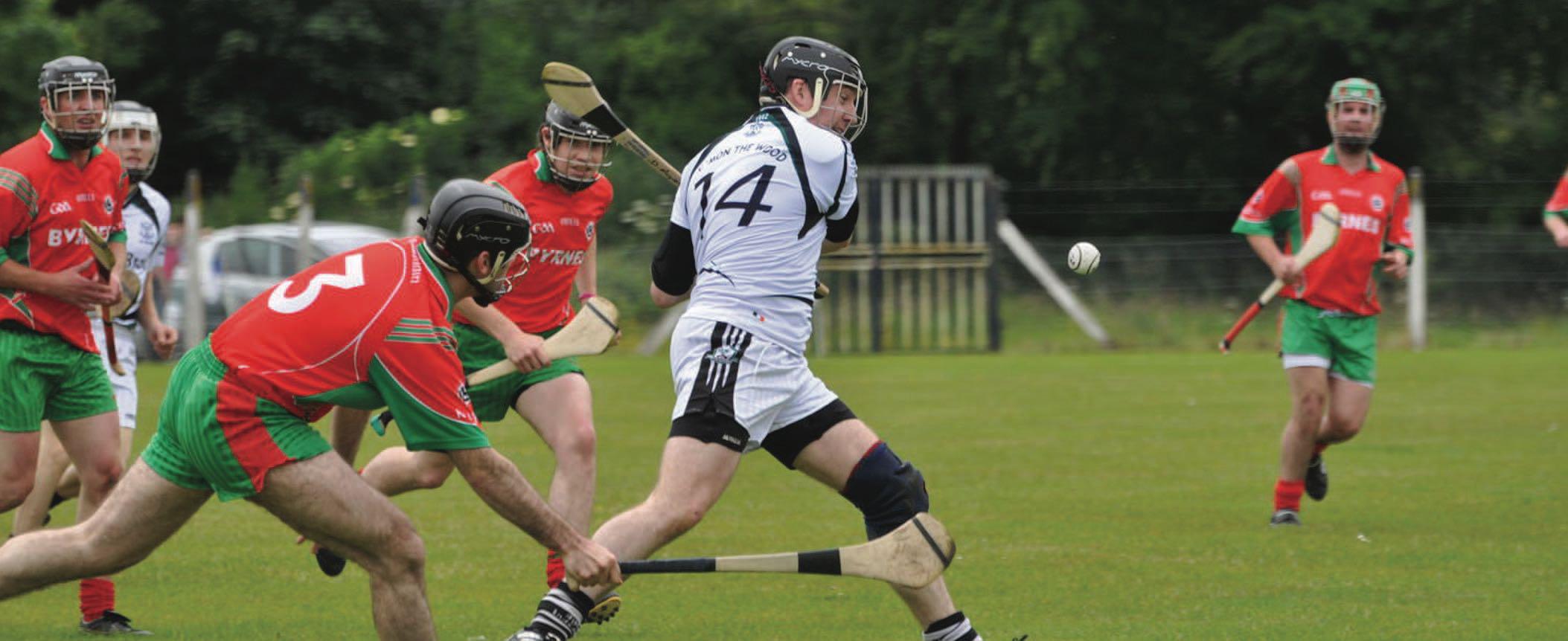
We are often unconscious of what it is we are actually doing in our actions, including while playing sports. But this is a good thing. If people were explicitly aware of all they do, two major things would follow. Firstly, they would be awed by how amazing they are as organisms; secondly, nothing would get done. Therefore, it is important that we come to intuit certain forms of practical knowledge, in order for acts like hammering a nail into a wall or playing sport to be possible.
Michael Polanyi’s book Personal Knowledge: Toward a PostCritical Philosophy (1958) will support us in philosophically investigating the ancient Irish sport of hurling, which is something like a cross between hockey, lacrosse, rugby – and some might add sword fighting. The first part of this article will explain Polanyi’s epistemology of knowledge – in other words, how we know what we know. After that, we will apply this theory to the game of hurling.
Tacit & Other Knowledge
Polanyi first offers a distinction between focal and subsidiary awareness. Focal awareness is what you’re consciously aware of or explicitly aware of, and subsidiary awareness is what you are less aware of or implicitly aware of. All knowledge has from-to relations because meaning is brought from the subsidiary to the focal which is part of the reason why Polanyi notes that all knowledge must begin with an act of commitment, which is belief. He writes, ‘‘We must now recognize belief as the source of all knowledge’’ (

هذه القصة من طبعة February/March 2024 من Philosophy Now.
اشترك في Magzter GOLD للوصول إلى آلاف القصص المتميزة المنسقة، وأكثر من 9000 مجلة وصحيفة.
هل أنت مشترك بالفعل؟ تسجيل الدخول
المزيد من القصص من Philosophy Now

Philosophy Now
Nosferatu
Stefan Bolea considers two very different artistic approaches to love and death.

6 mins
April/May 2025

Philosophy Now
Heidegger's Ghost
Raymond Tallis wonders where Heidegger's body went when he was philosophising.
7 mins
April/May 2025

Philosophy Now
Is Comedy Good For Us?
Damaris Stock has a laugh with Plato and friends.
10 mins
April/May 2025
Philosophy Now
In Defense of Idleness
Wendell O'Brien says, 'Just Don't Do It'.
10 mins
April/May 2025
Philosophy Now
Leaving Nothing to Chance by Carl Knight
LEAVING NOTHING TO Chance (2025) by Carl Knight, is an informed, proficient and lucid defence of luck egalitarianism.
3 mins
April/May 2025

Philosophy Now
Star Maker by Olaf Stapledon
THE 1937 SCIENCE FICTION novel Star Maker was written by philosophy professor Olaf Stapledon in the dark days as Europe awaited the onslaught of Nazi Germany. This casts a shadow over the whole book.
6 mins
April/May 2025
Philosophy Now
Love & Emptiness in the Sufi Tradition
Medha Ninad Tambe meditates on Rumi, love and self-negation.
7 mins
April/May 2025

Philosophy Now
The Hedgehog's Dilemma: A Metaphor About the Challenges of Human Intimacy
Krishna Chaubey explains Arthur Schopenhauer's poignant thought experiment.
4 mins
April/May 2025
Philosophy Now
The Mirror & the Flame
Rebwar Fatah imagines Attar's & Hegel's shared path.
4 mins
April/May 2025
Philosophy Now
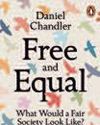
Free and Equal by Daniel Chandler
DANIEL CHANDLER, AN economist and philosopher based at the London School of Economics, begins Free and Equal: What Would a Fair Society Look Like? (2023) by asking an intriguing question. How is it, he wonders, that the most influential political philosopher of the last century has had almost no practical impact on politics or policy? The philosopher in question is John Rawls, whose magnum opus was A Theory of Justice (1971).
5 mins
April/May 2025
Listen
Translate
Change font size