
استمتع بـUnlimited مع Magzter GOLD
احصل على وصول غير محدود إلى أكثر من 9000 مجلة وصحيفة وقصة مميزة مقابل
Should You Invest In Commodities?
April 2018
|Kiplinger's Personal Finance
The market has again reminded us that stocks can move in two directions.

It’s an old story but easy to forget: When inflation expectations rise, so do interest rates—and stock and bond prices fall. For the first time in five years, the consumer price index in 2017 registered an annual increase of more than 2%, and prices rose more than expected in January. The January jobs report showed a jump in wages.
Inflation has yet to reach worrisome levels, but the stock market dropped sharply after each sighting, with investors worried that the Federal Reserve would start aggressively raising short term interest rates—something we have not seen in a long time. (Through the end of 2017, the Fed had raised rates by a total of just 1.25 points over 11 years.) Longer-term rates, not waiting for the Fed, have soared. The yield on the 10 year Treasury note rose from 2.1% to 2.9% in just five months (prices are as of February 16).
Maybe it’s time to invest in a hedge, an asset that will buffer a decline in stock values. But other than selling the stock market short (essentially, betting on a market drop), which can be risky and expensive, there is no consistent way to invest in something that’s guaranteed to score a profit when stocks score a loss. What about bonds? In 2008, when Standard & Poor’s 500-stock index dropped 37% and nearly every other global asset got clobbered, long-term U.S. Treasury bonds returned 25.9% as investors sought safety. The next year, as stocks recovered, T-bonds lost 14.9%. But as we have seen lately, bonds often move in tandem with stocks.
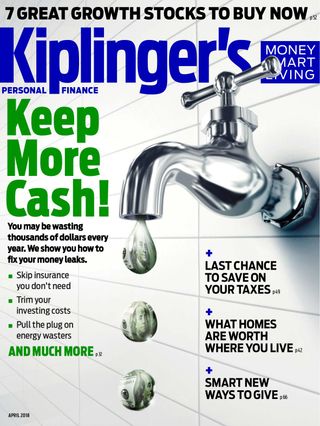

هذه القصة من طبعة April 2018 من Kiplinger's Personal Finance.
اشترك في Magzter GOLD للوصول إلى آلاف القصص المتميزة المنسقة، وأكثر من 9000 مجلة وصحيفة.
هل أنت مشترك بالفعل؟ تسجيل الدخول
المزيد من القصص من Kiplinger's Personal Finance

Kiplinger's Personal Finance
A Helping Hand for the Homeless
This nonprofit offers shelters, job programs, support in finding a home and more.

2 mins
January 2026

Kiplinger's Personal Finance
Downsizing Advice, Part II
My column on downsizing (see “Living in Retirement,” Oct.) struck a chord with readers. I heard from many who offered advice on successfully culling clutter.
2 mins
January 2026
Kiplinger's Personal Finance
WHY COMPANY GUIDANCE MATTERS
Understanding how corporate profit forecasts affect analysts' estimates and stock ratings can help you make investment decisions.
4 mins
January 2026

Kiplinger's Personal Finance
WHAT SCIENCE REVEALS ABOUT MONEY AND A HAPPY RETIREMENT
Whether you're still planning or already retired, these research-based insights point the way to your best post-work life.
12 mins
January 2026

Kiplinger's Personal Finance
WHAT TO KNOW ABOUT FLOOD INSURANCE
Even if your home is outside a high-risk area, you may want to purchase coverage.
2 mins
January 2026
Kiplinger's Personal Finance
My Retirement Learning Curve
THE NEW WORLD OF RETIREMENT
2 mins
January 2026
Kiplinger's Personal Finance
CREATE A FINANCIAL PLAN WITH THESE TOOLS
Online programs for do-it-yourselfers are better than ever-and they're affordable, too.
9 mins
January 2026

Kiplinger's Personal Finance
2026 MONEY CALENDAR
These key dates and tips will help you make the most of your money in the new year.
7 mins
January 2026
Kiplinger's Personal Finance
Should You Renew Your CD?
AFTER you put money in a certificate of deposit, you can sit back while it collects interest over its term. Once it reaches maturity, you'll face a decision: renew it or withdraw the funds.
1 mins
January 2026

Kiplinger's Personal Finance
GIVING THE BULL THE BENEFIT OF THE DOUBT
KIPLINGER: What do you see ahead for financial markets in 2026? Do you have a target price for the S&P 500?
5 mins
January 2026
Translate
Change font size