يحاول ذهب - حر
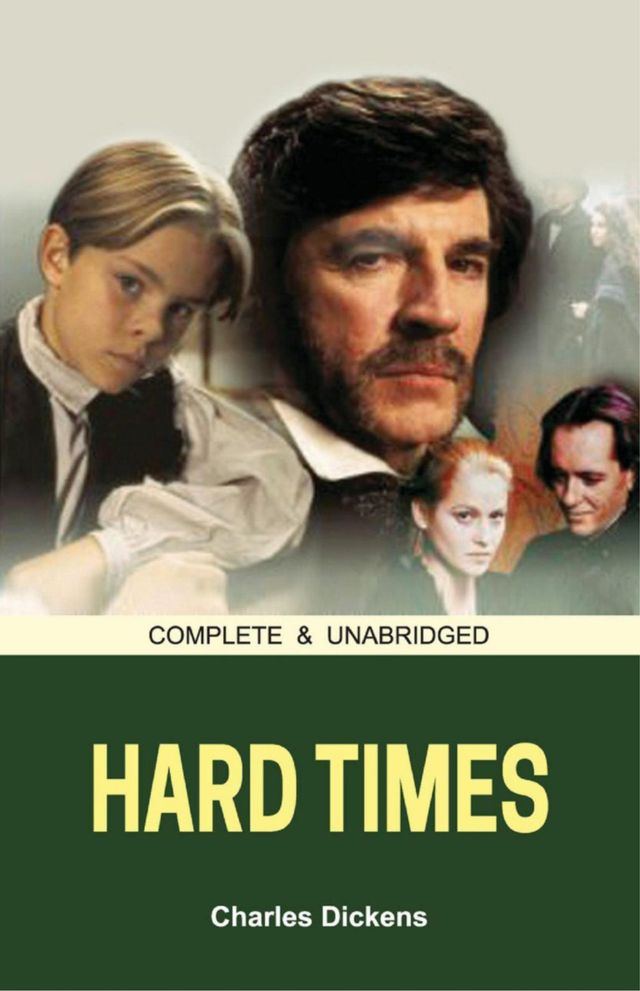
Hard Times - Complete & Unabridged - Charles Dickens
استمتع بـUnlimited مع Magzter GOLD
يقرأ Hard Times - Complete & Unabridged إلى جانب أكثر من 9000 مجلة وصحيفة أخرى من خلال اشتراك واحد فقط
عرض الكتالوجاشترك فقط في Hard Times - Complete & Unabridged
إلغاء في أي وقت.
(لا يوجد التزامات) ⓘإذا لم تكن راضيًا عن الاشتراك، يمكنك مراسلتنا عبر البريد الإلكتروني help@magzter.com خلال 7 أيام من تاريخ بدء الاشتراك لاسترداد كامل المبلغ. نعدك بذلك! (ملاحظة: لا ينطبق على شراء عدد واحد فقط)
الاشتراك الرقمي
الوصول الفوري ⓘاشترك الآن لتبدأ القراءة فورًا على موقع Magzter، وتطبيقات iOS، وAndroid، وAmazon.
في هذا العدد
Published in 1854, Dickens gives us in Hard Times a morally serious content cast in the form of popular entertainment. The principal motive of Hard Times is to use fiction for purposes of social protest. It is a critique of industrialism, of capitalism, and of utilitarianism. The story is based on Dickens’ own observations of industrial conditions. The novel protests against the separation of politics and humanity. In the novel, Dickens is for the intuitive as against the mechanistic. The book discusses different issues of the novel with critical insight. The author has penetrated the text from varied angles of genesis, vision, title, education, social picture, industrialism, narrative art, symbols, etc. with several rich critical references. In addition, some critical responses and a rich bibliography have been given.
Hard Times - Complete & Unabridged Description:
Published in 1854, Dickens gives us in Hard Times a morally serious content cast in the form of popular entertainment. The principal motive of Hard Times is to use fiction for purposes of social protest. It is a critique of industrialism, of capitalism, and of utilitarianism. The story is based on Dickens’ own observations of industrial conditions. The novel protests against the separation of politics and humanity. In the novel, Dickens is for the intuitive as against the mechanistic. The book discusses different issues of the novel with critical insight. The author has penetrated the text from varied angles of genesis, vision, title, education, social picture, industrialism, narrative art, symbols, etc. with several rich critical references. In addition, some critical responses and a rich bibliography have been given.
عناوين ذات صلة

Dimdima
The KK Times

Hospitality News
The Childrens Magazine

Femina Daily Delights

The Time Machine

WORLD OF SPORTS

Femina Icons of South
Ankakshr Miracless

Ahmedabad Business Review

A Pot of Mysteries

Juno - My buddy in joys and cries

The Palette of Stories

A Mystical Door to Adventures

Selected Short Stories of Guy De Maupassant

Selected Short Stories of O. Henry

Bleak House

Classic Science Fiction Stories

David Copperfield - Complete & Unabridged

Gitanjali - Song Offering

Mansfield Park

MIRAGE

Oliver Twist - Complete & Unabridged

Sense & Sensibility

Tales of Terror & Mystery

World's Best Mystery & Detective Stories

World's Famous Crime Stories

World's Most Loved Short Stories
The Colours of Imagination
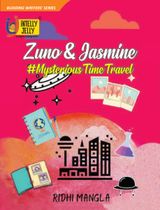
Zuno & Jasmine #Mysterious Time Travel