Denemek ALTIN - Özgür
Coping with AORTIC ANEURYSM
Woman's Weekly
|January 20, 2026
Abdominal aortic aneurysm (AAA) is a swelling in the artery from the heart to the abdomen
-
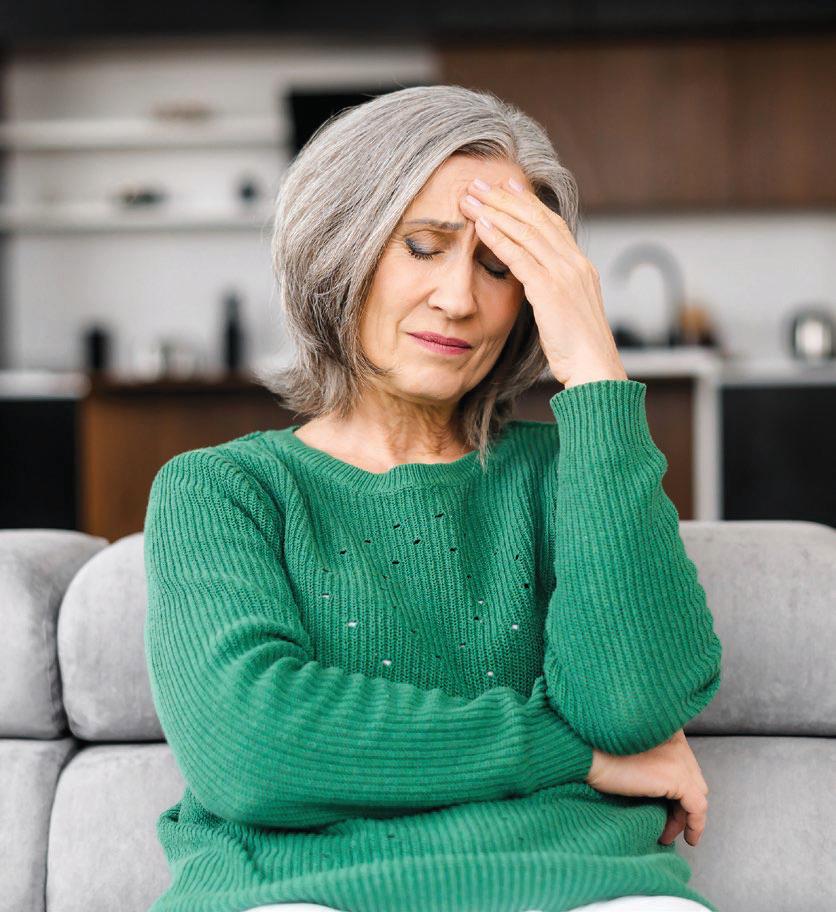
Most aneurysms don't cause problems but can be serious because there's a risk of rupture (dissection).
Aortic dissection occurs when there is a partial tear in the wall of the aorta, causing a life-threatening internal haemorrhage. This time-critical medical emergency can be fatal but, if diagnosed and treated urgently, has a better than 80% survival rate.
The cause of aortic aneurysm isn't always clear. Risk factors include hypertension, atherosclerosis, smoking, cocaine use, weightlifting, pregnancy, blunt chest trauma, certain genetic and connective tissue disorders, and autoimmune and inflammatory conditions.
Relatives of those who've had aortic dissection should be screened to ensure that they're not at risk. Abdominal aortic aneurysm often has no symptoms – you usually only find out during an abdominal aortic aneurysm screening test, or tests for other conditions. However, if an aneurysm gets bigger, you might experience abdominal or back pain, or an abdominal pulsing feeling.
Ask your GP if you have pain that doesn't go away or keeps coming back, if you feel a lump in your abdomen or have repeated fainting attacks. These symptoms can be caused by lots of things and do not mean you have an abdominal aortic aneurysm, but aneurysm needs to be ruled out, usually by an ultrasound scan.


Bu hikaye Woman's Weekly dergisinin January 20, 2026 baskısından alınmıştır.
Binlerce özenle seçilmiş premium hikayeye ve 9.000'den fazla dergi ve gazeteye erişmek için Magzter GOLD'a abone olun.
Zaten abone misiniz? Oturum aç
Woman's Weekly'den DAHA FAZLA HİKAYE

Woman's Weekly
Candy GIRLS
June and her granddaughter were very different – weren't they?

3 mins
January 20, 2026

Woman's Weekly
Warm WISHES
Crochet a soft and tactile hottie cover from chenille yarn
2 mins
January 20, 2026

Woman's Weekly
PERFECT paint pairings
Find the right colour recipe to suit any room scheme with these classic combinations
2 mins
January 20, 2026

Woman's Weekly
Doughnut BAG
Children and teens will love sewing this sweet-inspired drawstring
3 mins
January 20, 2026

Woman's Weekly
Coming to HER SENSES
She'd missed telltale signs but Paige could finally see her husband for what he was
3 mins
January 20, 2026

Woman's Weekly
Coffee & CREAM
Supercharge your desserts with a heavenly sweet combination
2 mins
January 20, 2026
Woman's Weekly
GARDEN notes
Winter planting and witch hazels
1 min
January 20, 2026

Woman's Weekly
CRAFTY breaks
Discover a new hobby – or get back into an old favourite pastime – on one of these dedicated retreats
2 mins
January 20, 2026

Woman's Weekly
An embarrassing MOMENT
Lily wanted to make an impression on the hunky stranger – and she succeeded
7 mins
January 20, 2026

Woman's Weekly
A Walk on the WILD SIDE
Donna loved a gritty drama – but was she ready for the real thing?
14 mins
January 20, 2026
Listen
Translate
Change font size