High rollers
Cycling Plus UK
|May 2025
Could bigger wheels improve your gravel riding? We test some oversized 750d rims to find out
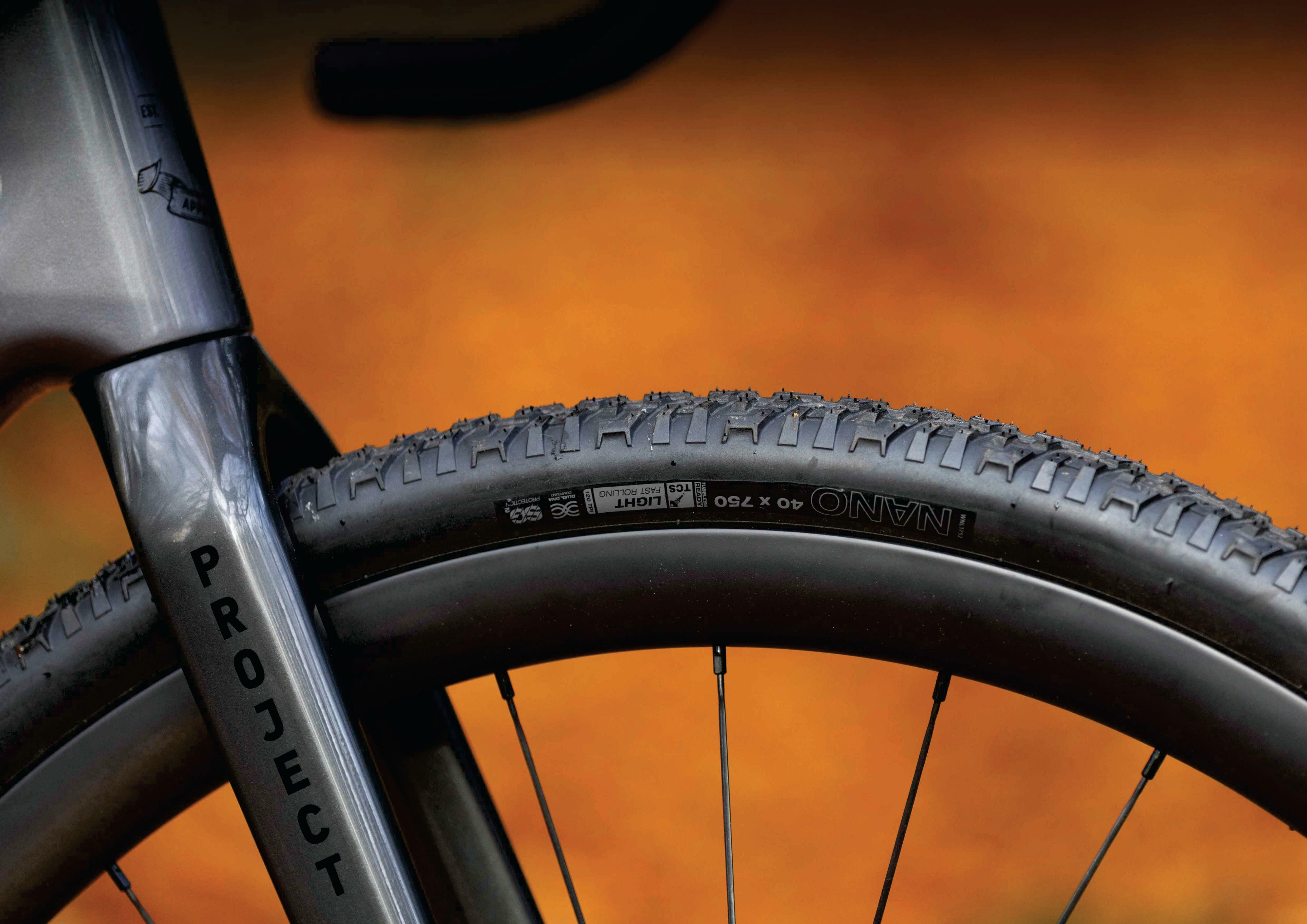
A new, bigger wheel size has been introduced, called 750d. With brands having largely settled on 700c rims for road and gravel bikes, except for a few exceptions using smaller 650b wheels, why do we need this new standard? I set out to analyse the theory behind it and find out how these new wheels ride.
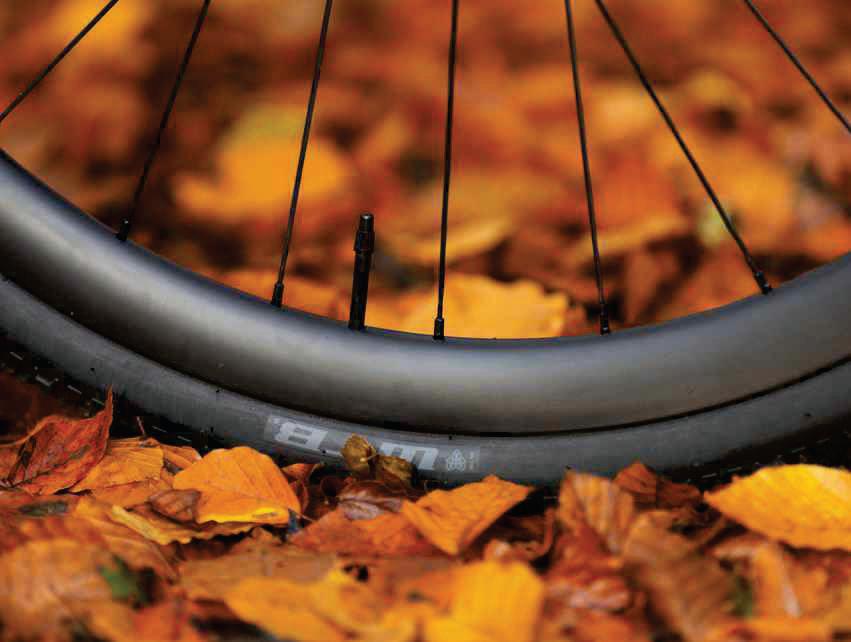 The theory
When 29-inch wheels (700c rims with bigger tyres fitted) entered the world of mountain bikes, the internet melted. Although they promised more speed and better rolling over roots and rocks than traditional 26in MTB wheels, many riders decided they hated them before they'd even tried them – as with most new standards in the cycling world. Eventually though, the benefits became clear, 29ers were widely adopted – first by the Lycra-clad cross-country crowd, then by trail riders and eventually by downhill racers too – and 26in wheels became the preserve of dirt jumpers and kids' bikes.
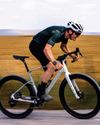
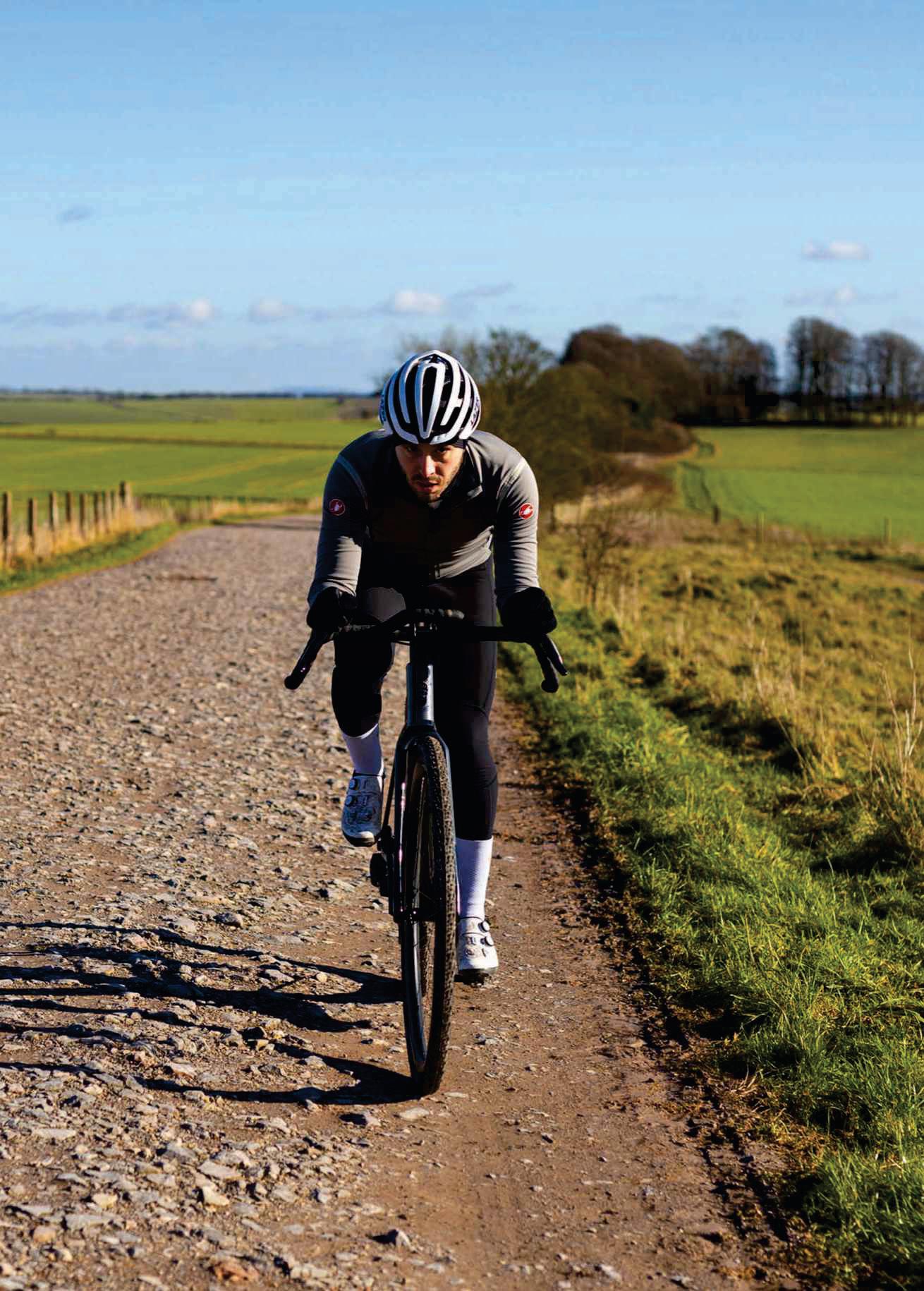 According to their proponents, including brands such as WTB, Moots and Merit – who make the Jumbo 750d bike I used for testing – the theory behind bigger wheels for gravel bikes is essentially the same. The larger diameter of a 750d wheel should help it roll more easily over rough terrain, while the additional inertia of the bigger wheel could help you retain speed. Since the extra diameter creates a longer tyre contact-patch, 750d wheels are also claimed to increase grip, leading to better braking and handling. An additional benefit is that bigger wheels help when it comes to custom builds for taller riders. Merit, for example, feel that “in L-XXL sizes the [Jumbo gravel] bike looks best with 750d [wheels]”.

Bu hikaye Cycling Plus UK dergisinin May 2025 baskısından alınmıştır.
Binlerce özenle seçilmiş premium hikayeye ve 9.000'den fazla dergi ve gazeteye erişmek için Magzter GOLD'a abone olun.
Zaten abone misiniz? Oturum aç
Cycling Plus UK'den DAHA FAZLA HİKAYE
Cycling Plus UK
Ask the experts
We answer your burning bike-related questions

4 mins
January 2026

Cycling Plus UK
NEWCOMER OF THE YEAR
The young Paralympian has been busy - we talk to him about his successes to date, what makes him tick and what his aspirations are for the future
4 mins
January 2026
Cycling Plus UK
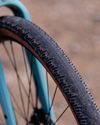
Schwalbe G-One RS Pro gravel tyre
£74.99 This speedy off-road rubber impresses in almost all scenarios
4 mins
January 2026
Cycling Plus UK
Brompton Electric T Line
From £5,799 The brand's lightest e-bike yet
2 mins
January 2026
Cycling Plus UK
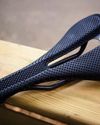
Samassi 3D-printed bike components
A composite saddle for £77 and a titanium computer mount for £69 from the Asian brand
1 mins
January 2026
Cycling Plus UK
Boost your ride
Performance Q&A The big cycling questions answered by our team of expert coaches, nutritionists and riders
17 mins
January 2026

Cycling Plus UK
AFFORDABLE GRAVEL BIKES
We test a trio of models built for off-road excursions, which will also cope well with the commute to work
3 mins
January 2026

Cycling Plus UK
Artistic licence?
Simon von Bromley thinks the UCI's vague new helmet regulations could cause issues
3 mins
January 2026
Cycling Plus UK
Specialized Turbo Vado SL 2 4.0
£3,099 This new model goes further, but it's heavier
5 mins
January 2026

Cycling Plus UK
RIDER OF THE YEAR '25
WE WERE PACKED TO THE RAFTERS FOR OUR THIRD ANNUAL AWARDS
1 mins
January 2026
Listen
Translate
Change font size