
Magzter GOLD ile Sınırsız Olun
Sadece 9.000'den fazla dergi, gazete ve Premium hikayeye sınırsız erişim elde edin
Denemek ALTIN - Özgür
Weird Worlds
Scientific American
|June 2026
This sulfurous hell world might change the way we classify exoplanets
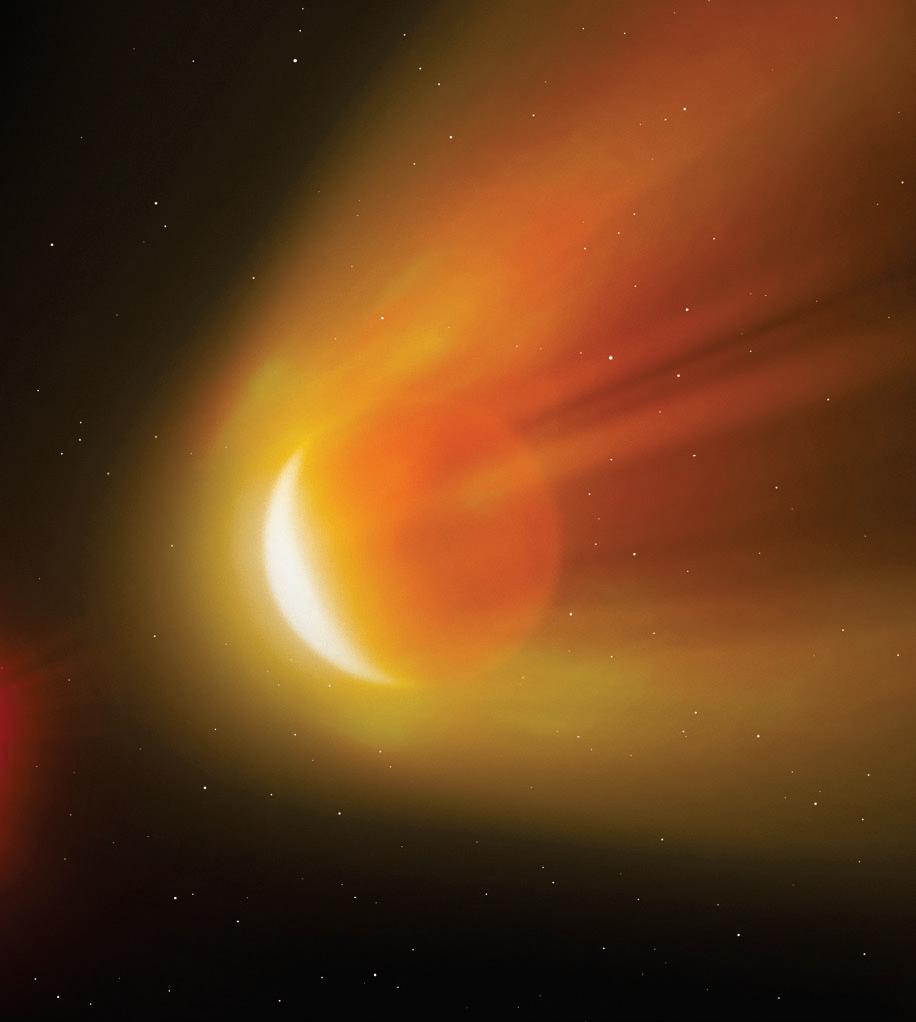
TRILLIONS OF MILES FROM EARTH, a cluster of planets whirl around a sun of their own—and one of the worlds is a sulfur-swathed oddball. Research suggests the planet, L 98-59 d, would smell like rotten eggs and is covered in a mushy magma ocean. And it isn’t just an outlier in its home solar system. So far it’s the first exoplanet found to fit this peculiar description, and it seems to be defining a category of its own.
Scientists first observed the planet in 2019, when the Transiting Exoplanet Survey Satellite caught a glimpse of L 98-59 d passing in front of the red dwarf star at the center of its system. Afterward, observations from the Hubble and James Webb Space Telescopes hinted at the planet’s composition, but the more scientists learned, the less this newfound orb seemed to fit into existing categories for planets of its size. Neither rocky with a thick hydrogen atmosphere nor an ocean world, L 98-59 d might occupy a new class of molten, sulfurous exoplanet, according to a study in Nature Astronomy.
“It’s pretty hellish, it’s pretty alien,” says Harrison Nicholls, lead author of the study and a postdoctoral researcher at the University of Cambridge. “With more data, we might find that there are other planets like it, too.”
The first confirmed detection of an exoplanet, though long anticipated, was only 34 years ago. Increasingly powerful telescopes have since launched the field forward with more detections—now more than 6,000 in total. But it’s one thing to find an exoplanet and quite another to understand its surface conditions.

Bu hikaye Scientific American dergisinin June 2026 baskısından alınmıştır.
Binlerce özenle seçilmiş premium hikayeye ve 9.000'den fazla dergi ve gazeteye erişmek için Magzter GOLD'a abone olun.
Zaten abone misiniz? Oturum aç
Scientific American'den DAHA FAZLA HİKAYE
Scientific American
War in Plain Sight
Near-real-time satellite coverage means militaries can no longer hide. So they are learning to lie better

4 mins
June 2026

Scientific American
A Bridge-Crossing Puzzle Led to New Math
Are you smarter than an 18th-century Prussian?
5 mins
June 2026
Scientific American
Nocturnal Navigation
These ants use a sophisticated lunar compass
2 mins
June 2026
Scientific American
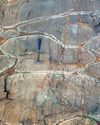
Early Plates
Scientists found the oldest direct evidence for Earth’s tectonic motion
3 mins
June 2026

Scientific American
Mating Arm
Reproduction in octopuses is even weirder than you think
3 mins
June 2026
Scientific American
Battleship Science
Game-playing AI can show us how to do science better
2 mins
June 2026
Scientific American
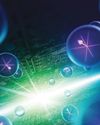
WHAT’S A QUANTUM COMPUTER GOOD FOR, ANYWAY?
Quantum computing promises profound power in cryptography, materials design, telecommunications, and much more. But those dreams won’t become reality overnight—if ever
11 mins
June 2026

Scientific American
Atomic Snowflakes
Could each atom in the universe be unique?
2 mins
June 2026
Scientific American
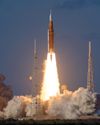
The New Moon Race
The triumphant Artemis II mission marks a new era of lunar exploration and science. Here’s how it went down and what comes next
7 mins
June 2026

Scientific American
What’s Wrong with Quantum Mechanics
A 100-year-old theory might explain the confusion
6 mins
June 2026
Listen
Translate
Change font size