
Magzter GOLD ile Sınırsız Olun
Sadece 9.000'den fazla dergi, gazete ve Premium hikayeye sınırsız erişim elde edin
Denemek ALTIN - Özgür
WHY WE NEED FLIES
How It Works UK
|Issue 179
They’re some of the strangest and most reviled insects on the planet, but they’re also incredibly useful

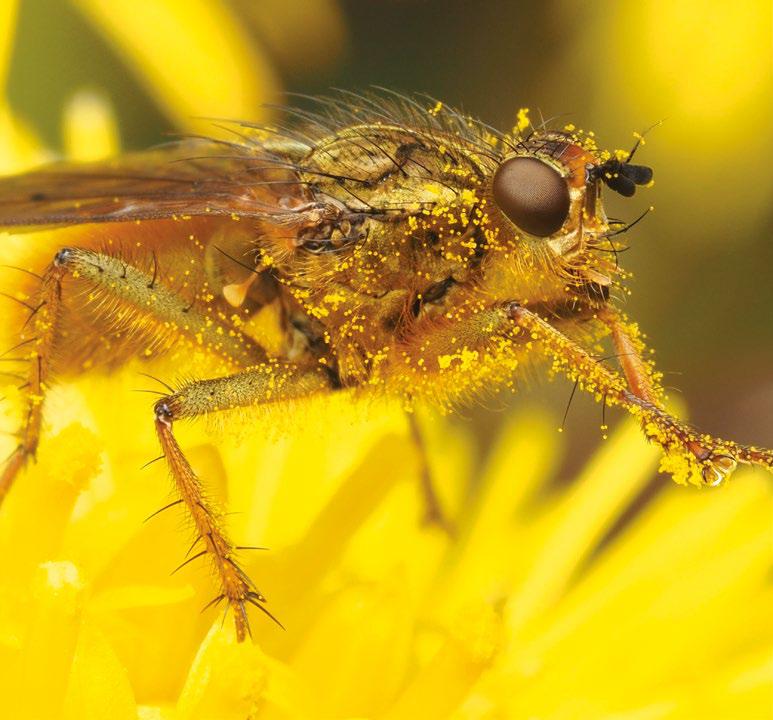
They’re a pest at a picnic, a bin’s best friend and an enemy of silence, but flies are also some of the best pollinators on the planet. The first ‘true flies’, of the order Diptera, flew onto the scene during the middle of the Triassic period around 247 million years ago. Today this order of insects encompasses more than 150,000 different species, including hoverflies, crane flies and mosquitoes, accounting for around 14 per cent of Earth’s insect diversity.
The life cycle of true flies generally consists of four stages: egg, larva, pupa and adult. For many flies, the journey to adulthood is short. Female houseflies (Musca domestica) can lay up to 500 eggs over a period of three or four days. Under the correct temperature conditions the eggs will hatch in just 20 hours, and larvae will emerge. After developing as a larva for between 4 and 13 days, the maggots pupate – their skin hardens and turns dark brown. While in the pupal stage, their legs and wings form, taking two to six days under optimal conditions, before they emerge as adults. Houseflies have at the very most two months to live, find a mate and reproduce to continue the cycle. The speed of their life cycle means that there can be as many as 20 generations of houseflies zipping around at the same time.


Bu hikaye How It Works UK dergisinin Issue 179 baskısından alınmıştır.
Binlerce özenle seçilmiş premium hikayeye ve 9.000'den fazla dergi ve gazeteye erişmek için Magzter GOLD'a abone olun.
Zaten abone misiniz? Oturum aç
How It Works UK'den DAHA FAZLA HİKAYE
How It Works UK
SPACE MINING UNCOVERED
Asteroids rich in rare elements could be harvested for their valuable contents, but the real worth may be in using them as interplanetary fuel stations

2 mins
Issue 211
How It Works UK
WHY THINGS ROT
How dead plants and animals decay, and how living organisms rely on this natural process to survive
3 mins
Issue 211

How It Works UK
BOOZE, BEANS AND YOUR BODY
Caffeine and alcohol are two of the world's most common drugs. But what effects does drinking them have on our brains and bodies?
5 mins
Issue 211
How It Works UK
HOW TO CLEAN A SKYSCRAPER WINDOW
Discover how skilled window cleaners with nerves of steel tackle these towering glass facades
2 mins
Issue 211
How It Works UK
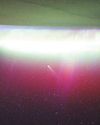
ASTRONAUTS SEE COMET LEMMON 'ABSORBED' BY AURORAE
For skywatchers, scientists and even the astronauts on the International Space Station (ISS), the skies have been active. The Sun has released its largest eruptions of 2025, sparking a series of aurorae that have reached as far south as Mexico. While astronauts on the ISS had to take shelter during the recent solar storms to avoid potentially dangerous radiation, they did manage to capture this image of Comet Lemmon appearing near the aurorae on Earth.
1 min
Issue 211
How It Works UK
HOW TO MAKE MAPLE SYRUP
Your favourite pancake topping is much more than just a sugary treat made in a factory
1 mins
Issue 211
How It Works UK
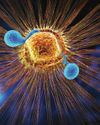
A high-fibre diet may ‘rejuvenate' immune cells that fight cancer
Microbes in the gut can help the immune system fight cancer, and a fibre-rich diet may be the key to unlocking those benefits, a study in mice suggests. The immune system is a key player in the body’s battle against cancer. On the front line of this resistance are CD8+ killer T cells, a type of immune cell that marauds around tumours and then exterminates the cancerous cells. But after each successive battle, these cells become worn out and don’t find tumours as effectively. As such, treatments that provide the cells with enough pep to finish their job are in high demand.
2 mins
Issue 211
How It Works UK
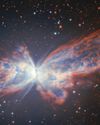
SEE THE BUTTERFLY NEBULA LIKE NEVER BEFORE
On 26 November 2025, the Gemini South telescope turned 25, and astronomers celebrated its birthday with a dazzling new image of the Butterfly Nebula.
1 min
Issue 211
How It Works UK
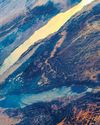
The Gulf of Suez is pulling apart
The Gulf of Suez, which partially divides Africa and Asia, may still be widening 5 million years after we thought it had stopped.
2 mins
Issue 211

How It Works UK
REMOTE ABILITIES
Infrared remotes are cheaper and more power-efficient than Bluetooth alternatives
1 mins
Issue 211
Translate
Change font size