Denemek ALTIN - Özgür
SOUR SURPRISE
Down To Earth
|January 16, 2024
Fermentation can help make uniquely tangy healthy dishes while also reducing food waste at home

DURING A recent family wedding, one of the many discussions among relatives was on extra food going to waste at such events. A relative chipped in about how wastage was avoided traditionally, with the example of the simple potato sabji and puri combination. If left over, guests would simply take some of the dish home to enjoy the next day, she said. But sometimes even this would not help empty the bowl; so the leftover sabji would be fermented to preserve for an extra day or two.
The traditional method of fermentation involves mixing a bowl of the sabji with water, a spoon of ground red mustard seeds or rai, and salt as per taste. In two to three days, you would have a spicy, tangy drink (see recipe). You could also adjust the water level to get the fermented sabji to a curry-like consistency and simply eat it with steaming hot rice.
The preservation of food occurs when lactic acid bacteria (LAB) present in the fermenting ingredients like the red mustard seeds convert the starch present in the potatoes to lactic acid. This acid is a natural preservative and inhibits growth of food-spoiling bacteria and fungi. It also provides a sourness to the food and makes it more tasty. The anaerobic conditions created by addition of water to cover the sabji ensure that only lab can grow.
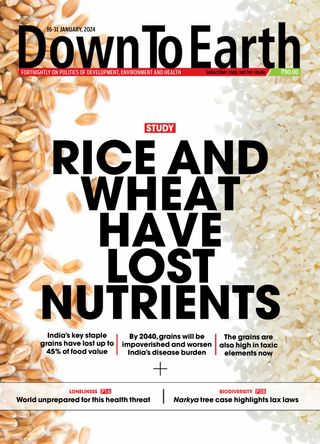

Bu hikaye Down To Earth dergisinin January 16, 2024 baskısından alınmıştır.
Binlerce özenle seçilmiş premium hikayeye ve 9.000'den fazla dergi ve gazeteye erişmek için Magzter GOLD'a abone olun.
Zaten abone misiniz? Oturum aç
Down To Earth'den DAHA FAZLA HİKAYE

Down To Earth
Bitter pill
THE WEB SERIES PHARMA EXPOSES HARSH TRUTHS OF THE PHARMACEUTICAL INDUSTRY, WHERE PROFIT OFTEN BECOMES MORE IMPORTANT THAN HUMAN HEALTH

3 mins
January 16, 2026
Down To Earth
CHAOS IN-DEFINITION
The Aravallis are perhaps India's most litigated hill range. More than 4,000 court cases have failed to arrest their destruction. The latest dispute concerns a narrow legal definition of this geological antiquity, much of which has been obliterated by mining and urban sprawl. While the Supreme Court has stayed its own judgement accepting that definition, it must see the underlying reality and help reconcile development and national security with conservation.
19 mins
January 16, 2026

Down To Earth
BITS: INDIA
Indore has recorded 16 deaths and more than 1,600 hospitalisations between December 24 and January 6.
1 min
January 16, 2026

Down To Earth
GUARANTEE EXPIRES
India's rural employment guarantee law is replaced with a centrally controlled, budget-capped scheme. Is this an attack on the right to work?
3 mins
January 16, 2026
Down To Earth
BLOOM OR BANE
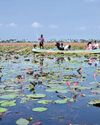
Surge of vibrant pink water lilies in Kuttanad, Kerala, provides socio-economic benefits, but the plant's ecological impacts must be understood
4 mins
January 16, 2026
Down To Earth
INVISIBLE EMPLOYER
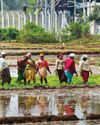
Field and academic evidence shows sharp falls in casual agricultural employment at places where groundwater access declines
3 mins
January 16, 2026

Down To Earth
Schemed for erasure
Does the VB-G RAMG Act address structural weaknesses long observed in MGNREGA's implementation?
10 mins
January 16, 2026

Down To Earth
School of change
An open school in Panagar, Madhya Pradesh, aims to protect children of tribal settlements from falling into the trap of addiction
2 mins
January 16, 2026

Down To Earth
PULSE OF RESILIENCE
As a climate-ready crop, cowpea shows potential for widespread use in India
3 mins
January 16, 2026
Down To Earth
BITS GLOBAL
Britain recorded its hottest and sunniest year ever in 2025, the country's meteorological office said on January 2.
1 min
January 16, 2026
Listen
Translate
Change font size