Denemek ALTIN - Özgür
CRUNCH TIME
Down To Earth
|December 01, 2022
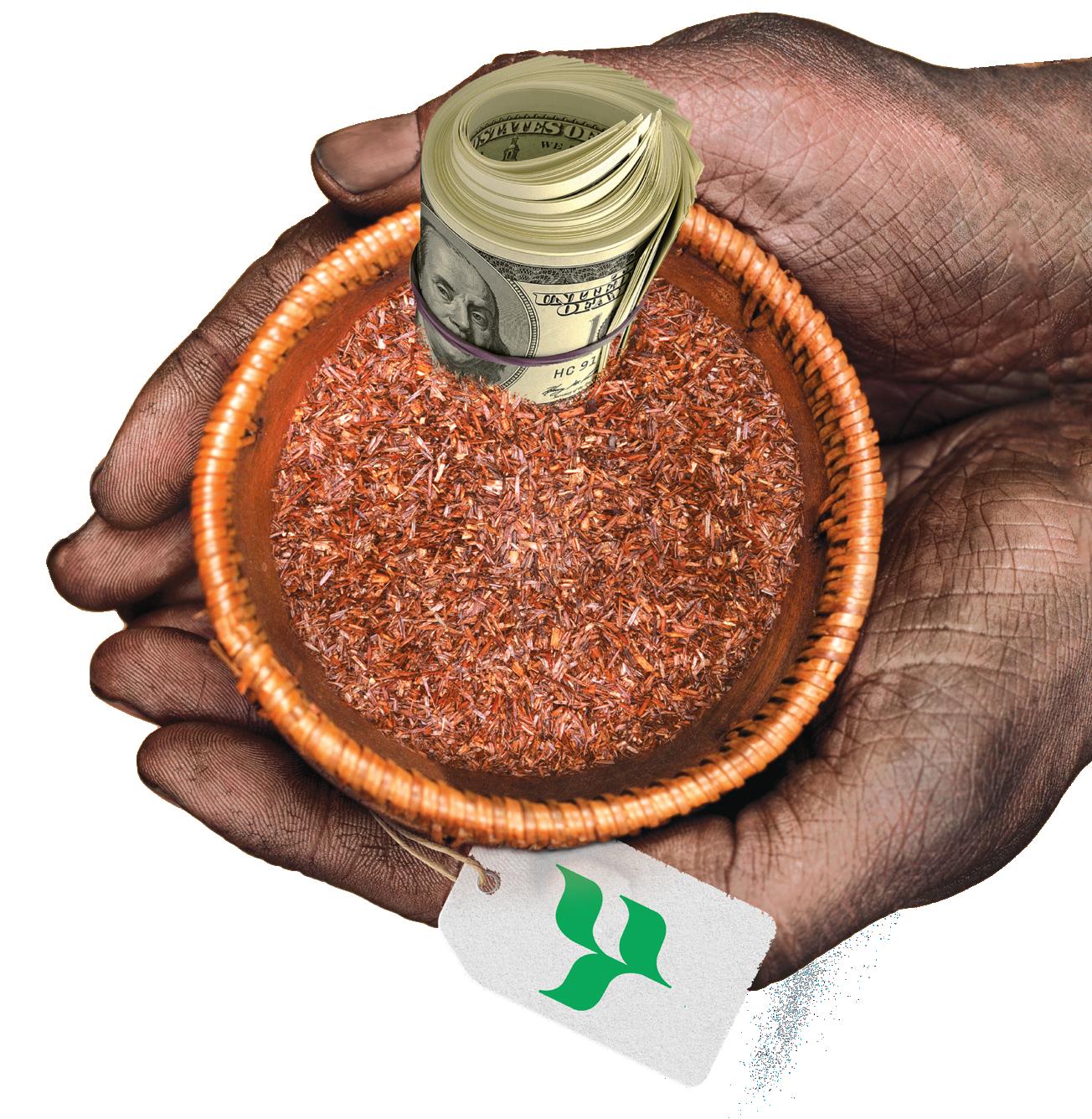
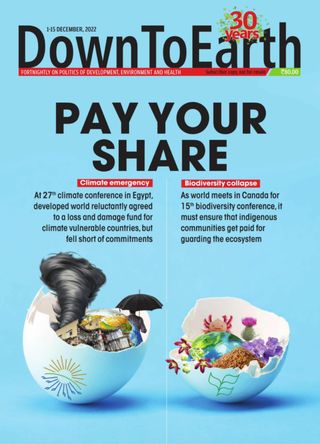
Three decades of discourse to protect the world’s biodiversity and benefit from its use has not achieved much outside of discussion rooms. As the world meets at the 15" UN Biodiversity Conference in Canada to decide on a new framework for managing nature through 2030 and beyond, it must ensure that indigenous communities benefit from the biological resources they have guarded for generations

ROOIBOS, PRONOUNCED "royboss", makes a deep red brew with a flavour that is deliciously unique, assert drinkers of this herbal tea. The potential benefits of this mountain bush, endemic to South Africa, are equally unique. Studies show that rooibos, devoid of caffeine and low in tannins, is a healthy alternative to coffee or tea. It also comes loaded with anti-oxidants that can boost immunity, reduce risks of heart diseases, protect from viral infection and has anti-ageing properties. Little wonder, then, that multinational corporations have come up with ways to profit from the tea as well as products made using chemical derivatives of the shrub, called Aspalathus linearis in scientific lexicon. One such attempt was by Swiss company Nestlé that in 2010 claimed five patents on products prepared from rooibos such as medicines to treat inflammatory diseases and probiotic foods. But this time, the San and Khoi indigenous communities of South Africa opposed the move and Nestlé's patent applications were rejected. The South African government asked the company to share benefits arising from the use of this resource with the communities.

Bu hikaye Down To Earth dergisinin December 01, 2022 baskısından alınmıştır.
Binlerce özenle seçilmiş premium hikayeye ve 9.000'den fazla dergi ve gazeteye erişmek için Magzter GOLD'a abone olun.
Zaten abone misiniz? Oturum aç
Down To Earth'den DAHA FAZLA HİKAYE

Down To Earth
THE GREAT PIVOT
China's moves to transition to clean energy offer critical lessons to India

4 mins
March 01, 2026

Down To Earth
COAL V CORRIDOR
A proposal to mine coal along a corridor that links two tiger reserves in central India is a step away from getting final clearance. The move could affect movement and genetic diversity of tiger populations in the region
8 mins
March 01, 2026

Down To Earth
India's challenging AI predicament
Hobbled by lack of innovation and AI skills in its crucial technology sector, India is focusing on a ruinous plan to host data centres
4 mins
March 01, 2026
Down To Earth
China to implement zero tariffs across Africa
CHINA ON February 14 announced that it will implement zero tariffs for imports from all the 53 African nations it has diplomatic relations with, starting from May 1.
1 min
March 01, 2026
Down To Earth
Poverty, sans the threshold
MEASUREMENT OF poverty is a fundamental exercise, needed to direct development programmes.
2 mins
March 01, 2026

Down To Earth
A bridge across forever
For two decades, a Chhattisgarh village remains stuck in a loop of building temporary river crossings to access markets and sell forest produce
4 mins
March 01, 2026
Down To Earth
Liveable cities need a new model
CRY FOR my Delhi. This is my city—my family records many generations who have lived here.
3 mins
March 01, 2026
Down To Earth
Real impacts of the changing seasons
This refers to the article \"1,500 days, and an alarm for new climate\" (1-15 December, 2025).
1 mins
March 01, 2026

Down To Earth
‘It’s a systematic effort by US to dismantle climate policy’
The US, the world's largest historical emitter of greenhouse gases, has overturned its “endangerment finding”, the legal foundation for regulating emissions under the Clean Air Act since 2009.
4 mins
March 01, 2026
Down To Earth
Amazon turned carbon source in 2023 drought
EXTREME DROUGHT and a prolonged heatwave in 2023 pushed parts of the Amazon rainforest from acting as a carbon sink to becoming a carbon source for three months, according to a February 13 study published in the journal AGU Advances of the American Geophysical Union.
1 min
March 01, 2026
Translate
Change font size