Denemek ALTIN - Özgür
CLIMATE SHAPES SPECIES
Down To Earth
|January 16, 2025
Gradual changes in a population that lives in a region with environmental shifts give rise to new species
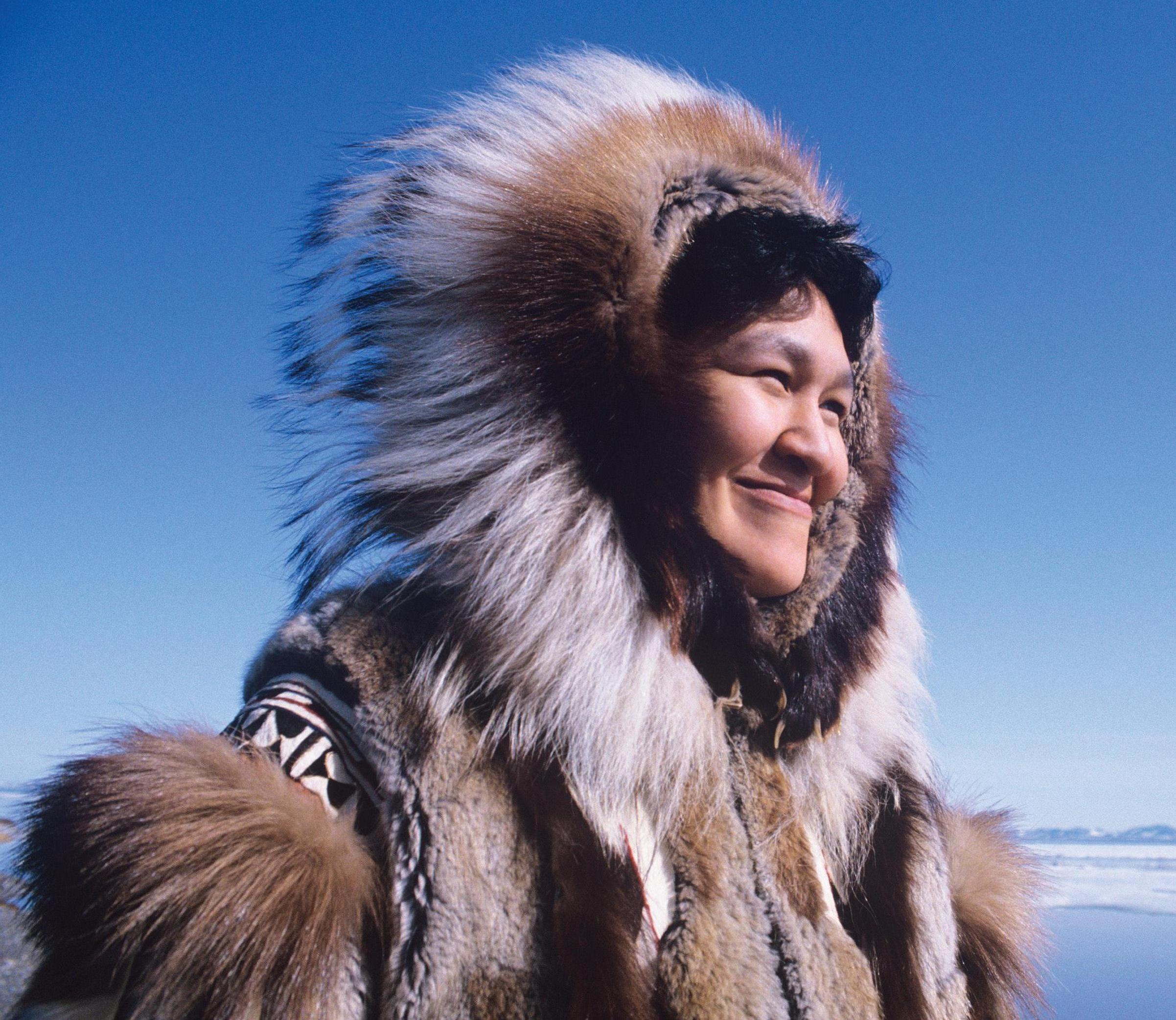
CHANGES IN water availability, rainfall, temperature and humidity, either globally or locally, can shape evolution. When we look at the origin and evolution of humans, many climatic changes have occurred over millions of years. Six million years ago, human ancestors separated from a branch comprising of chimpanzees and gorillas.
This new branch became known as hominin, which includes humans, extinct humans, and our immediate ancestors that could walk upright. This change corresponded to climatic changes.
We have evolved from unicellular organisms, thanks to climatic conditions. If conditions had not changed, perhaps there would have only been microbes in the ocean. If you look at life as a tree, the branches kept changing until humans reached a particular branch. The bacteria that did not change perhaps lived in an environment that was constant, so they stayed the same.
If there are gradual changes in a population, and a part of it lives in a region witnessing environmental changes, it gives rise to new species.
There are two kinds of changes: genetic and phenotypic (observable, physical changes). Even now, genetic changes keep happening automatically. But they do not necessarily translate to changes in the human body or physical appearance. Physical changes occur only if there is a change in our diet or locomotion. For example, if a species ingests tough food, it will develop a heavy jaw. If it evolves to consume softer food, a heavy jaw is useless, and it recedes.
Simply put, if the climate does not change, humans or any living being will not evolve. When climatic conditions change, they induce changes in vegetation, and that has shaped human evolution.

Bu hikaye Down To Earth dergisinin January 16, 2025 baskısından alınmıştır.
Binlerce özenle seçilmiş premium hikayeye ve 9.000'den fazla dergi ve gazeteye erişmek için Magzter GOLD'a abone olun.
Zaten abone misiniz? Oturum aç
Down To Earth'den DAHA FAZLA HİKAYE

Down To Earth
GREAT NICOBAR DILEMMA
In the fragile ecosystem of Nicobar, strategic development must align with constitutional commitment to protect environment, indigenous dignity

3 mins
March 16, 2026
Down To Earth
CATCH BY THE ROOTS
Sabai grass could be a game-changer for the marginalised economies of West Bengal's dry uplands. All it needs is an efficient market strategy
4 mins
March 16, 2026

Down To Earth
POWERING TRANSITION
India's renewable ambitions are rising rapidly, with half of its installed power capacity now coming from non-fossil sources. Yet the gap between capacity and generation remains wide. The experiences of two pioneering states, Karnataka and Tamil Nadu, which together generate over a fifth of the country's renewable energy, offer crucial lessons for accelerating the transition, reports PUJA DAS from Bengaluru, Chennai, Mumbai and New Delhi
16 mins
March 16, 2026
Down To Earth
At core of survival
Water scarcity defines life in a village inside Sariska Tiger Reserve's critical habitat, as debates over its relocation drag on
5 mins
March 16, 2026

Down To Earth
What's on your plate
An upcoming digital tool can help people learn about the origin of their meals and make climate-positive food choices
2 mins
March 16, 2026

Down To Earth
'Bad environment can never be good economics'
The Supreme Court of India and even the high courts were once very active and took a proactive role in protecting the environment; unfortunately, that is no longer true
4 mins
March 16, 2026
Down To Earth
Things fall apart
IN THE past year, the world has counted more missiles and bombs than hours.
2 mins
March 16, 2026

Down To Earth
Universities in crisis, innovation is stifled
Political control and skewed policies have led to unrest in academia, stifling creativity and meaningful research
4 mins
March 16, 2026

Down To Earth
SPARK IN THE GAME
The Reserve Bank of India's restored recognition of Default Loss Guarantees re-enables credit flow into last-mile electric mobility
3 mins
March 16, 2026

Down To Earth
Ushering in new eras
An appraisal of the state of biodiversity conservation, pollution reduction and climate adaptation regimes in India
3 mins
March 16, 2026
Listen
Translate
Change font size