
Magzter GOLD ile Sınırsız Olun
Sadece 9.000'den fazla dergi, gazete ve Premium hikayeye sınırsız erişim elde edin
Denemek ALTIN - Özgür
The science of sci-fi spaceships
BBC Sky at Night Magazine
|February 2026
From Jules Verne to Avatar, Dallas Campbell traces how fiction shaped our dreams of space travel – and even drove real advances in rocket science
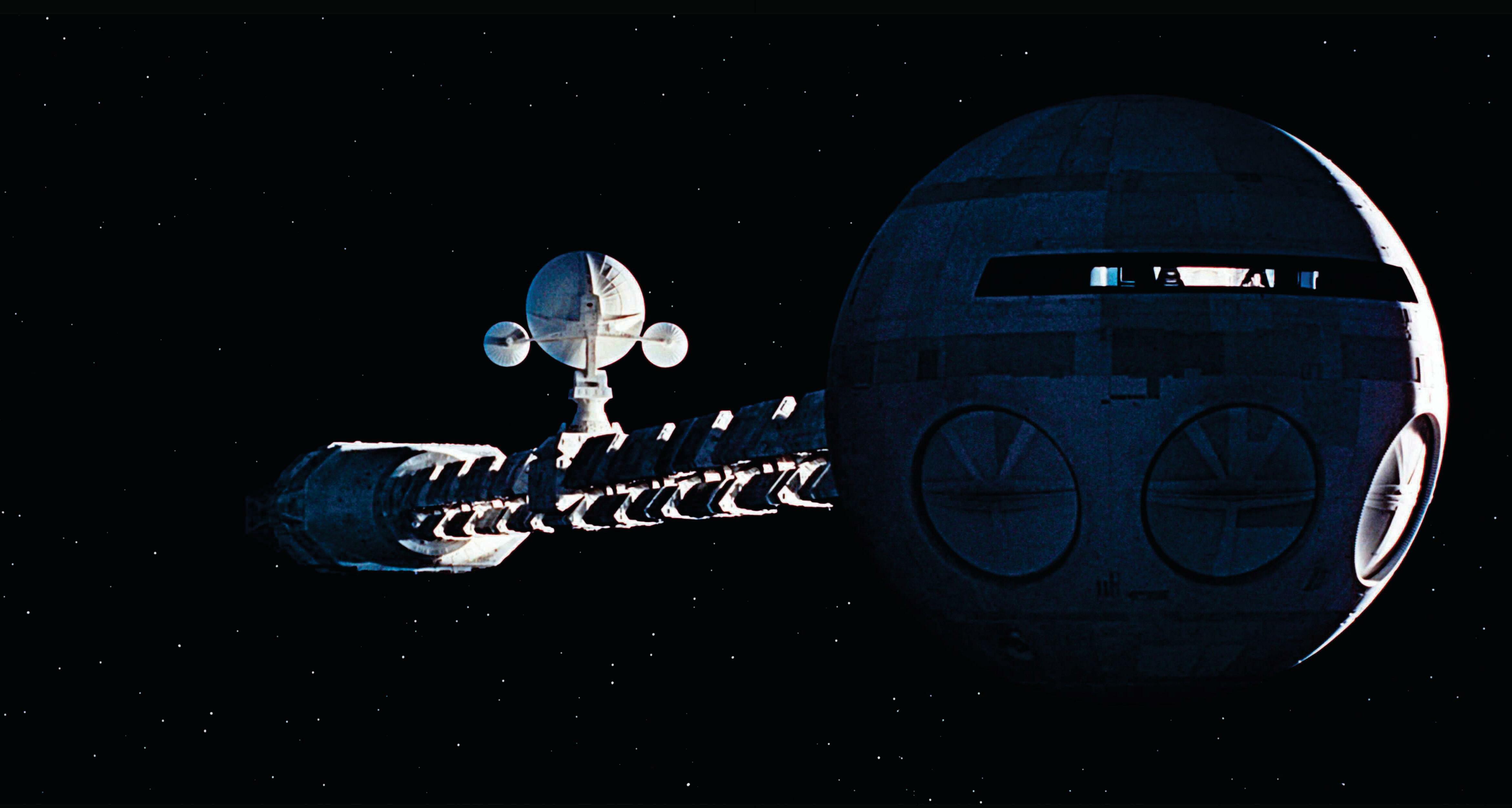
As long as humans have looked up, we've pictured space as an ocean to be navigated - stars, planets and moons as destinations, islands of exile and adventure, where shipwrecked astronauts await rescue or cosmic empires clash.
Popular culture in all its forms - but particularly in cinema - has imagined all manner of fanciful ways for us to sail the breadth of the heavens, from the outlandish to the futuristic - whether borne by geese, fired by cannons or hurled by warp drives.
Reality, however, is trickier (and more expensive), bound as we are by the laws of physics rather than the more forgiving laws of storytelling. The Voyager probes, after almost 50 years of steady plodding, are only now brushing the outer shores of our Solar System. And we fragile, fleshy humans have ventured no further than the Moon, in that brief moment between 1968 and 1972 when we became an interplanetary species.
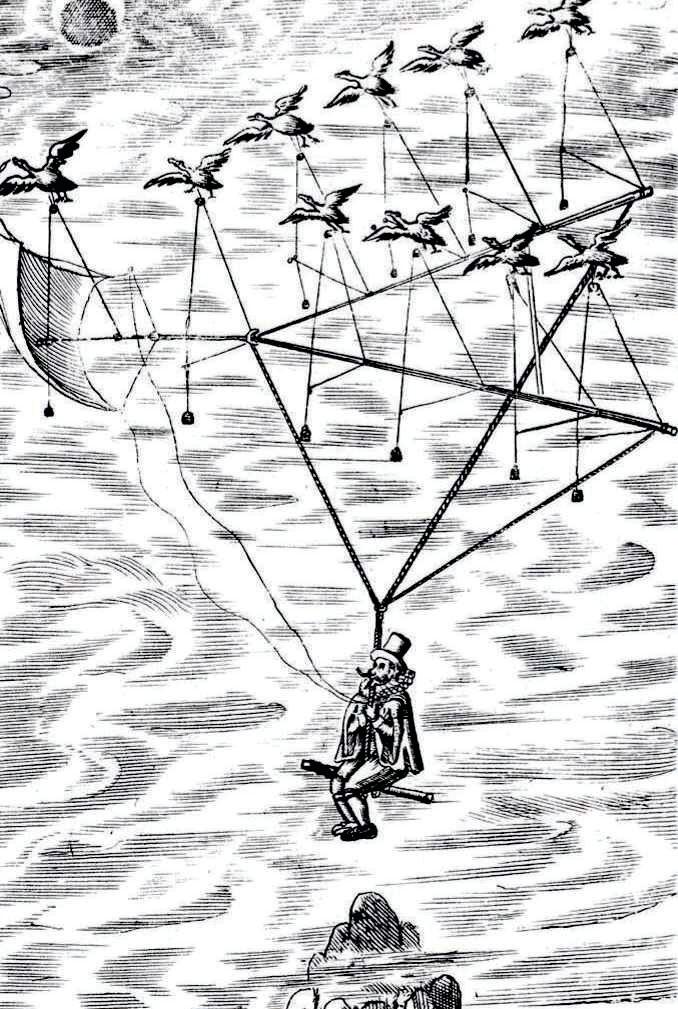
Our earliest imagined spacecraft didn't rely on advanced aerospace engineering but on the supernatural. In the second century AD, Syrian satirist Lucian of Samosata wrote of a sailing ship caught in a giant waterspout and whisked to the Moon. Johannes Kepler, the father of planetary motion, wrote a science-fiction story where space travel was made possible through a 'shadow corridor’ caused by an eclipse that connected Earth and the Moon (effectively a 17th-century wormhole). In 1638's The Man in the Moone, Francis Godwin imagined his protagonist capturing a flock of geese, tying them to a chair and soaring Moonward. In this elegant fusion of fantasy and scientific enquiry, gravity, magnetism and the new Copernican science of the day were cheerfully debated mid-flight. And in a 17th-century satire, Cyrano de Bergerac launched his hero by strapping glass bottles of evaporating dew to his body.

Bu hikaye BBC Sky at Night Magazine dergisinin February 2026 baskısından alınmıştır.
Binlerce özenle seçilmiş premium hikayeye ve 9.000'den fazla dergi ve gazeteye erişmek için Magzter GOLD'a abone olun.
Zaten abone misiniz? Oturum aç
BBC Sky at Night Magazine'den DAHA FAZLA HİKAYE
BBC Sky at Night Magazine
The Giant Leap: Why Space is the Next Frontier in the Evolution of Life
“Earth is the cradle of humanity, but one cannot live in the cradle forever,” wrote Konstantin Tsiolkovsky in 1911.

1 mins
February 2026
BBC Sky at Night Magazine
Tele Vue Nagler Type-7 series eyepieces
These premium optics were inspired by Apollo - and deliver a giant leap to your views
4 mins
February 2026
BBC Sky at Night Magazine
Once Upon a Time in Space
While the Space Race of the Cold War years was ultimately a geopolitical contest between the USA and the Soviet Union, the rivalry sparked rapid innovation and inspired multiple generations to look skyward.
1 mins
February 2026
BBC Sky at Night Magazine
The Multiverse: When One Universe Isn't Enough
The concept of a 'multiverse' – the idea that our Universe may be just one of many – is widespread in science fiction and a common thread of online discussions.
1 mins
February 2026
BBC Sky at Night Magazine
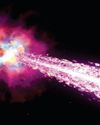
Q&A WITH A GAMMA RAY SPECIALIST
In 2025, astronomers detected a blast from space that lasted seven hours. Now they're uncovering the strange processes behind the exceptional outburst
3 mins
February 2026
BBC Sky at Night Magazine
Astronomy Photographer of the Year
The world-leading astrophotography competition returns. Could your image take the top prize of £10,000?
2 mins
February 2026
BBC Sky at Night Magazine
MOONWATCH
February's top lunar feature to observe
2 mins
February 2026
BBC Sky at Night Magazine
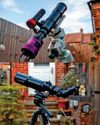
NOVAStar Scarlet A62Q 62mm f/8.4 quadruplet achromatic refractor
Well-built and capable, this beginner scope punches well above its bargain price
4 mins
February 2026
BBC Sky at Night Magazine
STAR OF THE MONTH
Rasalas, Leo the Lion's metal-rich crown
1 min
February 2026
BBC Sky at Night Magazine
Comet 24P/Schaumasse
Having reached perihelion on 8 January, comet 24P/ Schaumasse is now fading. Starting the month at a small-telescope-friendly mag. +10.5, it dims throughout February to below 12th magnitude.
1 min
February 2026
Listen
Translate
Change font size