Denemek ALTIN - Özgür
CRACKING CHOLESTEROL
BBC Science Focus
|November 2025
What really causes your blood fats to skyrocket? Groundbreaking discoveries have delivered surprising new answers and exposed a deeper biological mystery
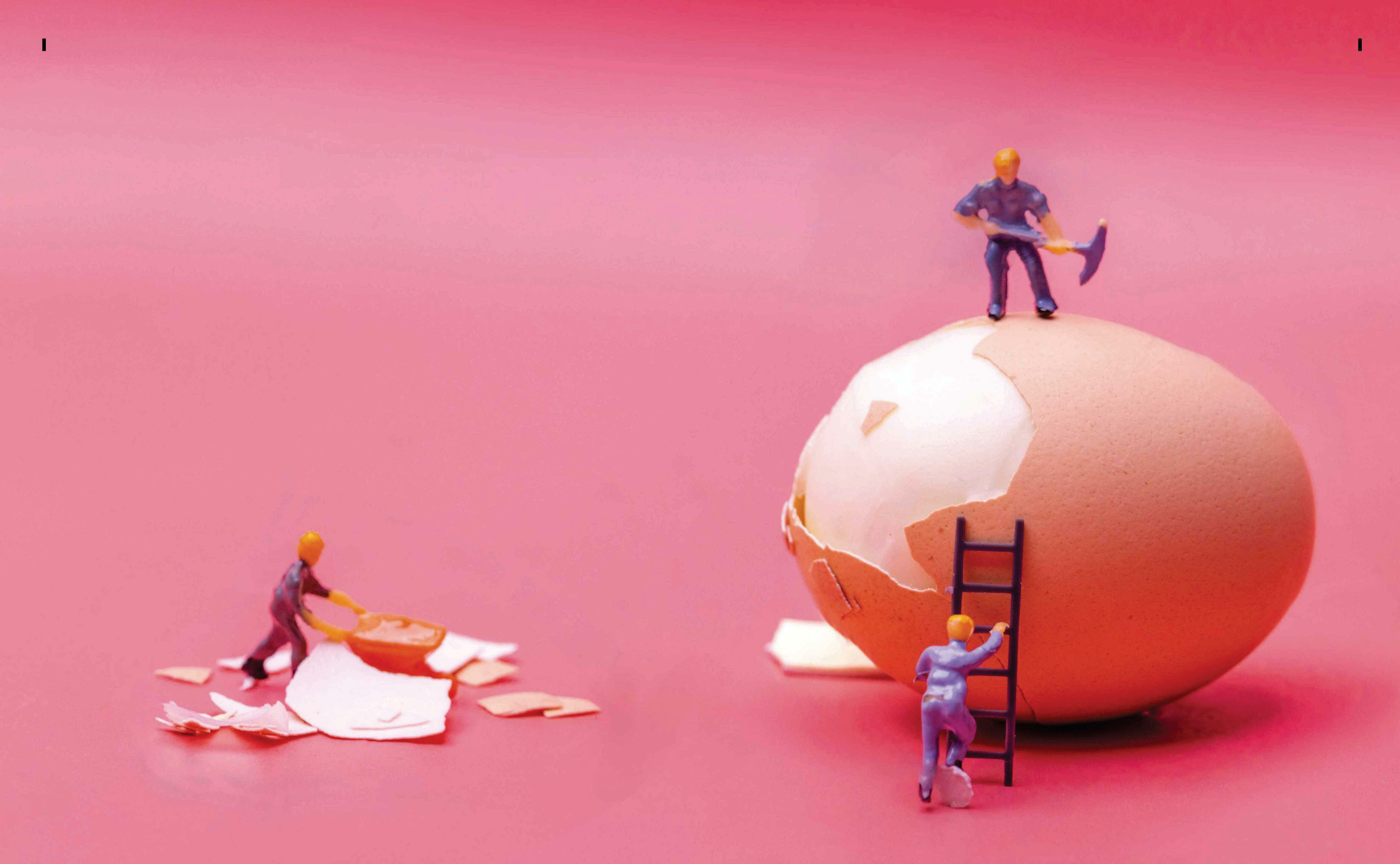
When you think of cholesterol, what's the first food that comes to mind? For many, the answer is eggs. And for good reason: their yolks contain relatively high amounts of the waxy fat found in our blood and decades-old studies warned that eating too many could send your cholesterol levels soaring.
As any doctor will tell you, that would be a very bad thing. High cholesterol raises your risk of cardiovascular disease – the world's leading cause of death – as well as stroke and dementia.
According to several recent papers, however, eggs may not deserve their bad reputation. In fact, one Australian study suggests that eating two a day could lower your levels of 'bad' low-density lipoprotein (LDL) cholesterol – the kind that clogs your arteries.
“For your average person, eating a few eggs a day won't increase their cholesterol,” says Dr Nick Norwitz, a researcher at Harvard Medical School in Boston.
How could this be? Well, as emerging studies have demonstrated, dietary cholesterol – the cholesterol that's in our food – has little bearing on the LDL cholesterol in our bodies.
Instead, researchers have uncovered what really matters in your diet, and which foods actually make the biggest difference.
FAT TRUTHS
Somewhat confusingly, LDL cholesterol isn't actually all bad – your body needs some in order to function properly. It's a key component of the outer membrane of every cell, for example, and is needed to make vitamin D and certain hormones such as oestrogen and testosterone.
You don't need to get this helpful cholesterol from your diet, however. The liver makes all the cholesterol your body requires. And if you eat cholesterol-rich foods, it automatically scales back its production.

Bu hikaye BBC Science Focus dergisinin November 2025 baskısından alınmıştır.
Binlerce özenle seçilmiş premium hikayeye ve 9.000'den fazla dergi ve gazeteye erişmek için Magzter GOLD'a abone olun.
Zaten abone misiniz? Oturum aç
BBC Science Focus'den DAHA FAZLA HİKAYE

BBC Science Focus
World's biggest cobweb is home to 100,000 spiders
Spiders don't normally create such large colonies, so there's no need to worry about finding one in your basement

1 min
February 2026

BBC Science Focus
A dementia vaccine could be gamechanging – and available already
Getting vaccinated against shingles could protect you from getting dementia, or slow the progression of the disease
1 mins
February 2026

BBC Science Focus
DATA IN SPACE
An unusual spacecraft reached orbit in November 2025, one that might herald the dawn of a new era.
7 mins
February 2026

BBC Science Focus
Climate change is already shrinking your salary
No matter where you live, a new study has found warmer temperatures are picking your pocket
4 mins
February 2026

BBC Science Focus
A MENTAL HEALTH GLOW-UP
Forget fine lines. Could Botox give you an unexpected mental health tweakment?
3 mins
February 2026
BBC Science Focus
Most people with high cholesterol gene don't know they have it
Standard testing struggles to detect the condition
1 mins
February 2026

BBC Science Focus
HOW CAN I BOOST MY IQ?
If you're serious about getting smarter, it's time to ditch the brain-training apps
4 mins
February 2026

BBC Science Focus
Humans are absolutely terrible at reading dogs' emotions
Think you can tell how our furry friends are feeling? Think again
1 mins
February 2026

BBC Science Focus
HOW TO TEACH AI RIGHT FROM WRONG
If we want to get good responses from AI, we may need to see what it does when we ask it to be evil
3 mins
February 2026

BBC Science Focus
What Australia's social media ban could really mean for under-16s
Many people think social media is bad for our kids. Australia is trying to prove it
5 mins
February 2026
Listen
Translate
Change font size