
Magzter GOLD ile Sınırsız Olun
Sadece 9.000'den fazla dergi, gazete ve Premium hikayeye sınırsız erişim elde edin
Denemek ALTIN - Özgür
The scandal of the radioactive chapatis
The Guardian Weekly
|February 21, 2025
When details about a scientific study in the 1960s-in which Indian women in Britain were given radioactive food without their consent - became public, there was shock and anxiety. But what exactly happened?
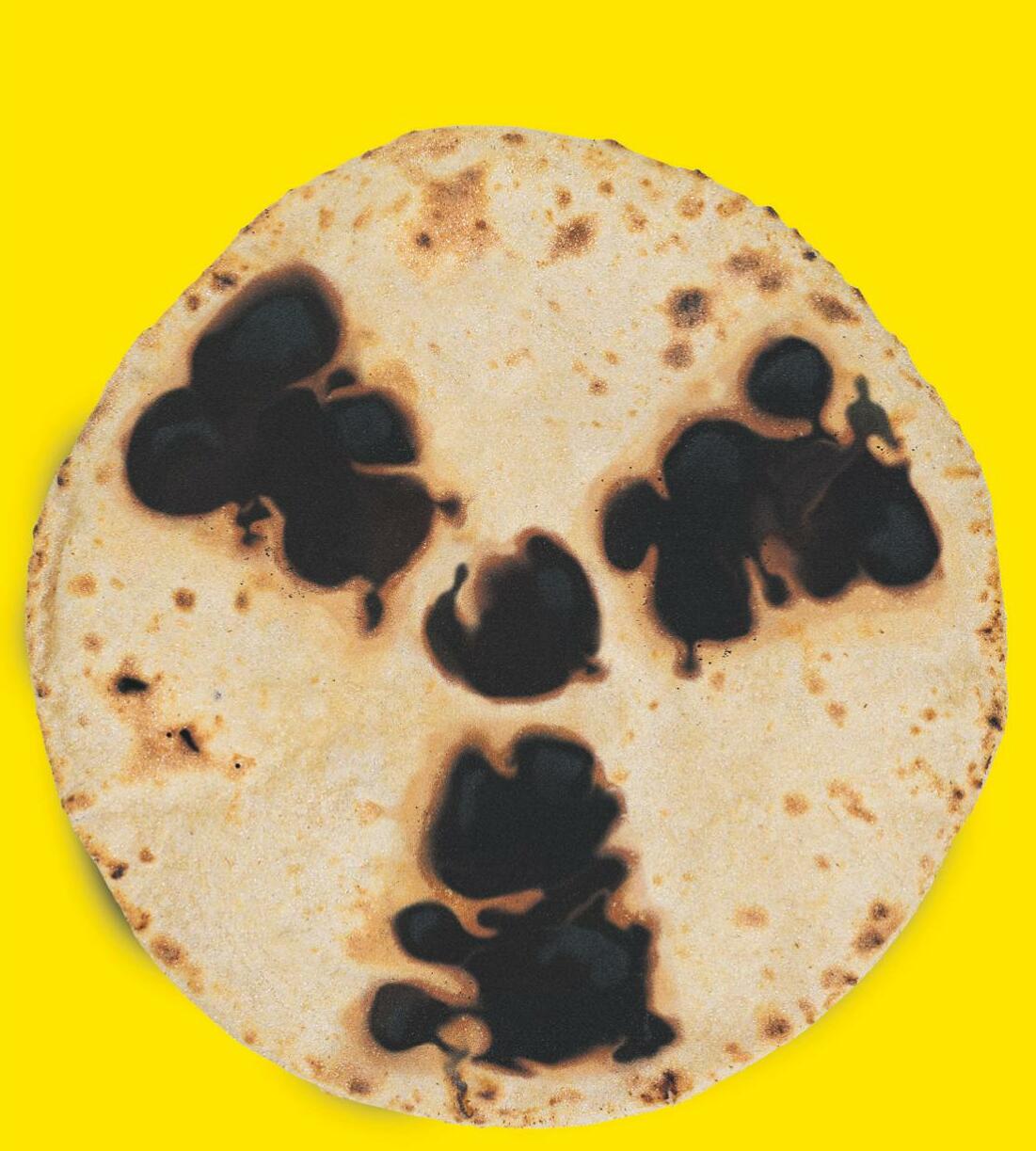
IN 2019, SHAHNAZ AKHTER, a postdoctoral researcher at Warwick University, was chatting to her sister, who mentioned a Channel 4 documentary that had aired in the UK in the mid-1990s. It was about human radiation experiments, including one that had taken place in 1969 in Coventry. As part of an experiment on iron absorption, 21 Indian women had been fed chapatis baked with radioactive isotopes, apparently without their consent.
Having grown up in Coventry's tight-knit South Asian community, Akhter was shocked that she had never heard of the experiment. When she looked into it, she found an inquiry by the Coventry Health Authority in 1995 conducted soon after the documentary aired. The inquiry examined whether the experiment put the subjects' health at risk and whether informed consent was obtained. But the only mention of the women's perspectives was a single sentence: "At the public meeting, it was stated that two of the participants who had come forward had no recollection of giving informed consent."
When Akhter read this sentence, she burst into tears. "I just thought of my own mother," she said. "It was brave of these women to stand up and disagree. And their memories were just discounted." Akhter decided to try to trace the women and their families. But she was anxious. It was now 2020; the Covid pandemic had hit, and ethnic minority communities were among the worst affected. Akhter contacted the local Labour MP, Taiwo Owatemi. "I was completely horrified," Owatemi told me. "I was like: why am I just hearing about this? And how do we identify these women?" Owatemi agreed with Akhter that, with high rates of vaccine hesitancy among ethnic minorities, it was risky to draw attention to this historic injustice at that moment. So rather than putting out a public call for information, Akhter quietly asked around within her community for people who might know families that had been affected.


Bu hikaye The Guardian Weekly dergisinin February 21, 2025 baskısından alınmıştır.
Binlerce özenle seçilmiş premium hikayeye ve 9.000'den fazla dergi ve gazeteye erişmek için Magzter GOLD'a abone olun.
Zaten abone misiniz? Oturum aç
The Guardian Weekly'den DAHA FAZLA HİKAYE
The Guardian Weekly
My boyfriend's use of AI stops him thinking for himself
My boyfriend of eight years, who is 44, has ADHD and runs his own business.

2 mins
February 27, 2026

The Guardian Weekly
'Our land lets us all breathe clean oxygen'
The Congo River basin is home to a biodiverse ecosystem-and a relentless trade in timber and charcoal
3 mins
February 27, 2026

The Guardian Weekly
Nations apart: Andrew's UK arrest highlights US passivity on Epstein files
It is a tale of two nations.
2 mins
February 27, 2026
The Guardian Weekly
Under water: Engulfed by storms, but climate denial grows
In the week between Christmas and the New Year, two Spanish men in their early 50s - friends since childhood - went to a restaurant and did not come home.
3 mins
February 27, 2026

The Guardian Weekly
The crown in court
A brief history of royal run-ins with the law
3 mins
February 27, 2026

The Guardian Weekly
Big in Beijing
James Balmont's band, Swim Deep, plays to crowds of hundreds across the UK - but in China, they play to tens of thousands. And they're not the only ones
3 mins
February 27, 2026
The Guardian Weekly
Trump's Board of Peace is serving private interests more than public good
In Gaza, aid still trickles in at levels relief agencies say are far below what is required.
2 mins
February 27, 2026

The Guardian Weekly
Needle drops Weight-loss pills are here - and big pharma stands to gain
Oral tablets could bring obesity treatment into the mainstream, with the sector predicted to be worth $200bn by the end of the decade
6 mins
February 27, 2026

The Guardian Weekly
How Italians gradually warmed to their Winter Olympics
With the atmosphere in Rome subdued as the Winter Olympics unfolded across northern Italy, travelling to the Games was not on Amity Neumeister's radar.
3 mins
February 27, 2026
The Guardian Weekly
Fire and fury
Violence erupts as security forces kill feared cartel boss.
1 min
February 27, 2026
Listen
Translate
Change font size