Denemek ALTIN - Özgür
Interpreting the US trade deal
Business Standard
|February 16, 2026
Focus on the gains from import liberalisation
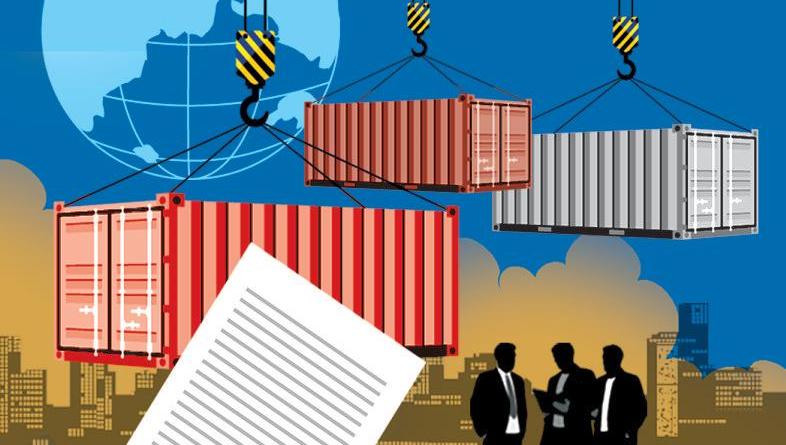
The trade agreement between India and the United States (US) has generated political criticism in this country. It is said that there is a “wholesale surrender” of the national interest. Farmers have organised protests. Security experts warn that India is relinquishing strategic autonomy by stopping Russian oil purchases.
The mercantilist view — that exports are the prize and imports are the price we pay — is economically flawed. At a fundamental level the prize in international trade is (a) imports (things that we get to buy from abroad) and (b) Indian firm productivity and economic growth. The value of each trade agreement is measured by reduction in Indian trade barriers.
High tariffs on intermediate goods and machinery increase the cost of production for Indian firms. By protecting inefficient domestic sectors, we implicitly tax the efficient ones. The narrative that liberalisation is a “surrender” assumes that the status quo was optimal. It was not. The status quo was a high-cost, low-competitiveness equilibrium that hindered India’s integration into global supply chains and thus Indian economic growth. The commitment to eliminate or reduce tariffs on all US industrial goods is a productivity shock. When Indian manufacturers can import high-tech machinery, intermediate inputs, and components from the US without the friction of prohibitive duties, their landed costs decrease.
Economists have a sweet phrase “the Lerner Symmetry Theorem” — a tax on imports is effectively a tax on exports. By lowering import barriers, we are improving the competitiveness of Indian exporters. We trigger a shift in the allocation of Indian labour and capital away from uncompetitive sectors and into the ones that India is really good at, which generates growth in gross domestic product (GDP).

Bu hikaye Business Standard dergisinin February 16, 2026 baskısından alınmıştır.
Binlerce özenle seçilmiş premium hikayeye ve 9.000'den fazla dergi ve gazeteye erişmek için Magzter GOLD'a abone olun.
Zaten abone misiniz? Oturum aç
Business Standard'den DAHA FAZLA HİKAYE
Business Standard
Tariff cuts in FTAs likely to cost India ₹1 trillion in FY27
India’s customs duty forgone on account of preferential tariff reductions under free-trade agreements (FTAs) signed so far may cross ₹1 trillion in 2026-27 (FY27), according to the Budget documents.

2 mins
February 16, 2026
Business Standard
India will transit from global back office to strategic AI partner: Vaishnaw
Indian consumers are one of the largest users of AI.
2 mins
February 16, 2026

Business Standard
Addressing nutrition along with hunger
Are modern high-yielding varieties of grains less nutri- tive than traditional desi crops? This is a common per- ception that seems largely, albeit not wholly, well founded.
3 mins
February 16, 2026
Business Standard
BPCL unfazed by geopolitics, to buy crude on techno-commercial merit
State-run Bharat Petroleum Corporation (BPCL) will source crude oil purely on ‘techno-commercial’ considerations amid evolving geopolitical dynamics, Chairman and Managing Director Sanjay Khanna told Shubhangi Mathur in an in-person interaction.
2 mins
February 16, 2026
Business Standard
'Don't see major impact of proposed mis-selling norms'
Following Axis Max Life Insurance’s Q3FY26 earnings, Sumit Madan, managing director (MD) and chief executive officer (CEO) of the company, spoke to Aathira Varier and Subrata Panda in a video interview about the Reserve Bank of India’s (RBI's) proposed guidelines on mis-selling and their likely impact on the company and the sector, the firm’s business plans going forward, and the status of its reverse merger with Max Financial Services, among other issues. Edited excerpts:
3 mins
February 16, 2026
Business Standard
How Vietnam shaped the civil rights movement
‘The New York Times war correspondent David Halberstam caught the pulse of his era when he observed, in 1964, that there were parallels between America’s misbegotten adventure in Vietnam and the struggle for civil rights in the murderous, Klan-infested state of Mississippi.
3 mins
February 16, 2026
Business Standard
OMCs, banks drove India Inc's steepest profit rise in 8 qtrs
Corporate earnings in October-December 2025 (Q3FY26) were better than expected owing to a surge in the profits of public-sector oil-marketing companies (OMCs), banks, non-bank lenders, and firms in the business of metals and mining.
3 mins
February 16, 2026

Business Standard
SGB issue: Why tax certainty matters
Imagine a cricket Test match where the host prepares two pitches — a green top for fast bowlers and a dry track for spinners.
3 mins
February 16, 2026
Business Standard
MFs double down on private banks
Mutual funds (MFs) stepped up buying in private-sector bank stocks amid January's market turbulence, deploying significant capital into the segment.
1 min
February 16, 2026
Business Standard
SC remarks may help strengthen Rera, real estate industry
The Supreme Court’s (SC’s) recent remarks on the Real Estate Regulatory Authority (Rera) are expected to impact the real estate sector by shifting the focus from the strength of the law to the seriousness of its enforcement, experts say.
2 mins
February 16, 2026
Listen
Translate
Change font size