Denemek ALTIN - Özgür
Using AI for natural-disaster responses
TIME Magazine
|November 25, 2024
THE NUMBER OF PEOPLE LIVING IN URBAN AREAS HAS tripled in the past 50 years, meaning that when a major natural disaster like an earthquake strikes a city, more lives are in danger.
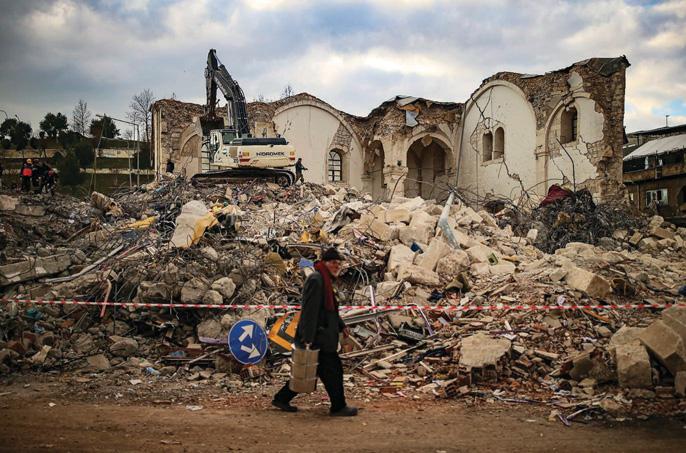
Meanwhile, the strength and frequency of extreme weather events has increased-a trend set to continue as the climate warms. That is spurring efforts around the world to develop a new generation of earthquake-monitoring and climate-forecasting systems to make detecting and responding to disasters quicker, cheaper, and more accurate than ever.
On Nov. 6, at the Barcelona Supercomputing Center in Spain, the Global Initiative on Resilience to Natural Hazards Through AI Solutions met for the first time. The new U.N. initiative aims to guide governments, organizations, and communities in using AI for disaster management.
The initiative builds on nearly four years of groundwork laid by the International Telecommunications Union, the World Meteorological Organization (WMO), and the U.N. Environment Programme, which in early 2021 collectively convened a focus group to begin developing best practices for AI use in disaster management. These include enhancing data collection, improving forecasting, and streamlining communications.

Bu hikaye TIME Magazine dergisinin November 25, 2024 baskısından alınmıştır.
Binlerce özenle seçilmiş premium hikayeye ve 9.000'den fazla dergi ve gazeteye erişmek için Magzter GOLD'a abone olun.
Zaten abone misiniz? Oturum aç
Listen
Translate
Change font size