Denemek ALTIN - Özgür
THE POLITICS OF PARIS
TIME Magazine
|July 15, 2024
WHEN FRENCH HISTORIAN PIERRE DE COUBERTIN founded the International Olympic Committee (IOC), the governing body of the modern Olympic Games, in the late 19th century, he billed the competition as a peace movement that could bring the world together through sport.
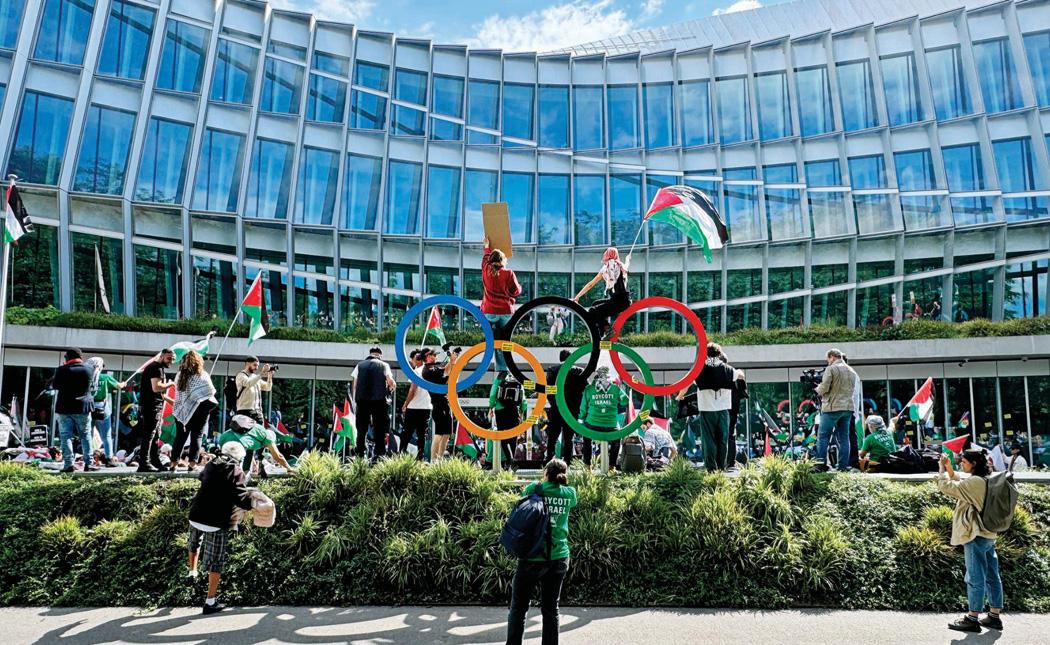
"Wars break out because nations misunderstand each other," he said. Competition, the reasoning went, would foster greater understanding and reconciliation between adversarial countries.
More than a century later, Coubertin's vision hasn't exactly borne out. Far from bringing an end to wars, the Olympics have been embroiled in and even canceled by them. For while the Games are ostensibly apolitical, the world in which they operate is not. Indeed, authoritarians past and present have used the spectacle of the Olympics for their own political propaganda. And despite Olympic officials' insistence that the Games be strictly neutral, the IOC has on many occasions made decisions derided by some as partisan-most recently, its move to suspend the Russian Olympic Committee in the aftermath of Moscow's full-scale invasion of Ukraine.
The upcoming Summer Games are poised to be "the most politically charged Olympics in decades," says Jules Boykoff, an international expert in sports politics. Set against the backdrop of two major ground wars-in Ukraine, where Russia continues to occupy 18% of the country's territory, and in Gaza, where Israel's ongoing war on Hamas has leveled much of the Strip and killed more than 37,000 people, according to figures from the enclave's Hamas-controlled health ministry, which are deemed credible by the U.S. and the U.N.-the 2024 Games, he and others warn, cannot be held in a geopolitical vacuum.
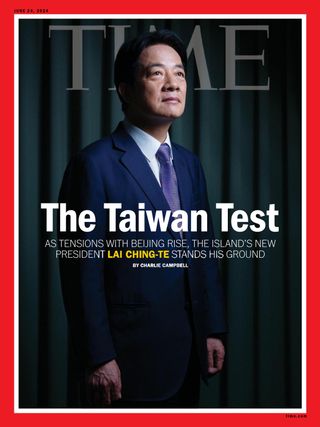

Bu hikaye TIME Magazine dergisinin July 15, 2024 baskısından alınmıştır.
Binlerce özenle seçilmiş premium hikayeye ve 9.000'den fazla dergi ve gazeteye erişmek için Magzter GOLD'a abone olun.
Zaten abone misiniz? Oturum aç
Listen
Translate
Change font size