
Magzter GOLD ile Sınırsız Olun
Sadece 9.000'den fazla dergi, gazete ve Premium hikayeye sınırsız erişim elde edin
Denemek ALTIN - Özgür
The experience of oppression
THE WEEK India
|February 02, 2025
The British enacted several laws that might appear liberal, only to then veto the invocation of progressive measures. Nevertheless, these milestones guided the founding fathers in conceiving and creating the Constitution of India
Rome was not built in a day; nor was the Constitution of India. Nor was it made just in the Constituent Assembly. It was discussed, debated, crafted and shaped in the assembly, but several stones in its foundation had been laid and layered over, over several thousand years.
The final Constitution that came out in 1949 drew voluminously from the principles of governance that had prevailed in ancient India, from the traditions that had evolved in the medieval Islamic period, and from the modern structures and a broad framework created during the European period. The doctrine that people ought to be governed by the people's laws, and not by the rulers' laws, had been recognised in the ancient Janapada republics, in England's Magna Carta and in the decrees of the first Sultan Iltutmish in medieval India. It was in continuation of this doctrine that “we the people”, on the 26th day of November 1949, “adopt[ed]; enact[ed], and g[a]ve to ourselves this Constitution”.
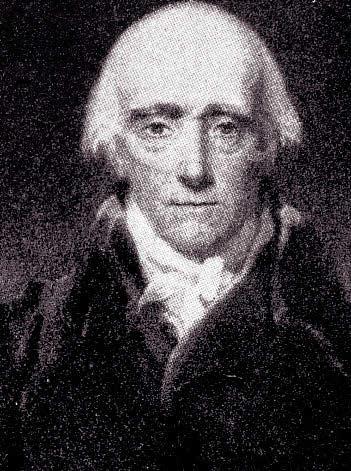
Though rulers were often foreign, the doctrine—of ruling the people with their laws—was recognised even in the early days of the East India Company rule, as it had been during the Hindu period and the Islamic period. In other words, Indians were ruled with their laws, and the few Europeans in India by their laws. This was often overlooked or violated by the courts themselves, as illustrated in the infamous Raja Nancomar (Nand Kumar) case in which an Indian nobleman was tried, convicted and executed by applying English law. The legality of the trial—over this and several other issues—would later be questioned during the impeachment of both the first governor-general (Warren Hastings) and the first chief justice (Elijah Impey) in the British parliament, and also later by the liberal intelligentsia in England, including Lord Macaulay.

Bu hikaye THE WEEK India dergisinin February 02, 2025 baskısından alınmıştır.
Binlerce özenle seçilmiş premium hikayeye ve 9.000'den fazla dergi ve gazeteye erişmek için Magzter GOLD'a abone olun.
Zaten abone misiniz? Oturum aç
THE WEEK India'den DAHA FAZLA HİKAYE
THE WEEK India
DOUBLE TROUBLE
The photograph was real.

1 min
June 21, 2026

THE WEEK India
OBSESSED WITH OBSESSION
Indie horror film Obsession, made on a budget of ₹70 lakh, has grossed over ₹1,697 crore worldwide, earning over 300 times its cost.
1 min
June 21, 2026

THE WEEK India
A HERCULEAN RETURN
Agatha Christie fans, say hello to your new Hercule Poirot.
1 min
June 21, 2026

THE WEEK India
TOMBS AND THE TUNE
The pyramids are coming alive with the sound of music.
1 min
June 21, 2026

THE WEEK India
LIFE COMES FULL CIRCLE
Nora Fatehi is doing something that few Indian singers have managed to pull off: she is performing her song 'Siir Siir' at the opening ceremony of one of the biggest sporting events of the world-the FIFA World Cup 2026.
1 min
June 21, 2026

THE WEEK India
This is a liberation from slavery
In the wake of a seismic verdict in the West Bengal assembly elections, the Trinamool Congress's internal fault lines have cracked open.
4 mins
June 21, 2026

THE WEEK India
Paws and applause
One of the longest-running musicals in theatre history is coming to India
3 mins
June 21, 2026

THE WEEK India
Shoots and roots
From one in 2006 to four in 2026, Indian-origin players are making the world their stage
3 mins
June 21, 2026

THE WEEK India
Why Iran is the ‘Restraining Hero’
UNDERSTANDING TODAY'S transformations in West Asia can no longer be reduced to the simple language of interstate rivalry or classical military calculations.
3 mins
June 21, 2026
THE WEEK India
DOUBLE TROUBLE
The photograph was real. The claim was not.
1 min
June 21, 2026
Listen
Translate
Change font size