Denemek ALTIN - Özgür
Method in madness
New Zealand Listener
|October 25-31, 2025
Injustice, hatred and violence are bound together in a vivid account of global terrorism through the 1970s.
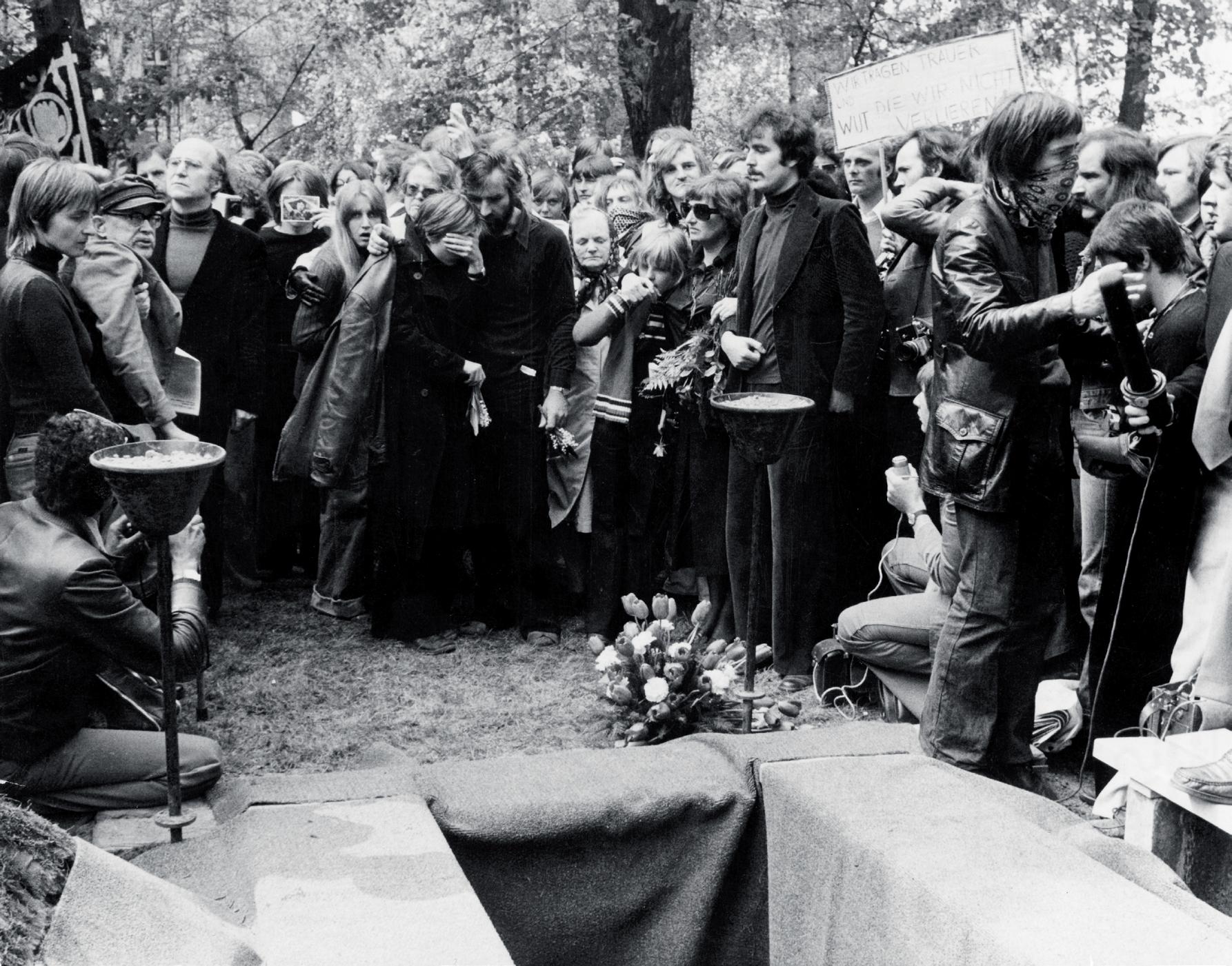
Hatred is a cycle: a feedback loop of venom and violence. Often it intensifies over time; sometimes it dampens down only to bite quickly and savagely, like a woken dog. And it is precisely because hatred and injustice usually go hand in hand that we struggle so hard to deal with it. Injustice seems to justify hatred, and therefore tolerates violence. It’s a logic that fits uncomfortably. And none more so than the case of Israel and Palestine, where Jason Burke’s book begins.
The Revolutionists details the story of the mostly amateur extremists of the 1970s and their links. It begins with the Popular Front for the Liberation of Palestine (PFLP), Fatah, the Palestine Liberation Organisation (PLO) and the Black September faction, tracing the ties to the international “armed struggle” that included the Baader-Meinhof Gang, Japanese Red Army, Sandinistas and Carlos the Jackal (named after Frederick Forsyth’s book). Burke has sidestepped labelling these people as terrorists or freedom fighters.
Terrorism is usually defined as the calculated use of violence to create fear and to bring about a political objective. Yet, as Burke shows, the Palestinian movements did not set out initially to provoke fear or to kill people. They wanted to attract attention to the cause and did so by blowing up the planes they had hijacked. As hijacking became more everyday and less impressive, the levels of violence spiralled. This was done on a global scale, which was a marked contrast to historical terrorism, usually aimed at the population of the state you were trying to change.


Bu hikaye New Zealand Listener dergisinin October 25-31, 2025 baskısından alınmıştır.
Binlerce özenle seçilmiş premium hikayeye ve 9.000'den fazla dergi ve gazeteye erişmek için Magzter GOLD'a abone olun.
Zaten abone misiniz? Oturum aç
New Zealand Listener'den DAHA FAZLA HİKAYE

New Zealand Listener
Who's the boss?
A leading political economist believes blindly following the rules leads to inefficiency, less accountability and blunted democracy.

7 mins
May 2-8, 2026

New Zealand Listener
Softening the landing
Modelling may have advanced since 1972 but the outlook for humanity is still as bleak unless we limit growth.
2 mins
May 2-8, 2026

New Zealand Listener
My boyfriend the ATM
Fable-like story muses on what's truly valuable in life, when a strapped Parisian couple discover an easy route to cash.
2 mins
May 2-8, 2026

New Zealand Listener
Skin in the game
Booker Prize winner David Szalay, here for the Auckland Writers Festival, talks about the male experience and writing awkward sex scenes.
8 mins
May 2-8, 2026

New Zealand Listener
Baby love
Kiwi author's latest novel explores the lengths a husband will go to fulfil his wife's dying wish.
3 mins
May 2-8, 2026

New Zealand Listener
Building hope
What excitement there is in Ōtautahi!
2 mins
May 2-8, 2026

New Zealand Listener
Pick & mix
Australian nutritionists Julia Tellidis and Lauren Skora get the school term off to a healthy start.
4 mins
May 2-8, 2026

New Zealand Listener
Cruel waters
The apparent rift within National's ranks goes far deeper than a prime minister's popularity rating.
4 mins
May 2-8, 2026

New Zealand Listener
Broken agreement
Beautifully told time-straddling tale of colonialism, displacement and the power of community.
3 mins
May 2-8, 2026

New Zealand Listener
Knowledge and actions
Public health experts are as likely to eat fish and chips on the beach or drink a beer as anyone else, says Jason Gurney.
3 mins
May 2-8, 2026
Listen
Translate
Change font size