
Magzter GOLD ile Sınırsız Olun
Sadece 9.000'den fazla dergi, gazete ve Premium hikayeye sınırsız erişim elde edin
Denemek ALTIN - Özgür
BRIGHT SPARK
WatchTime India
|Watches for Women 2025
The invention of lume solved the problem of reading time in the dark. We explore how different watch brands have reimagined it to transform the way we see time now.
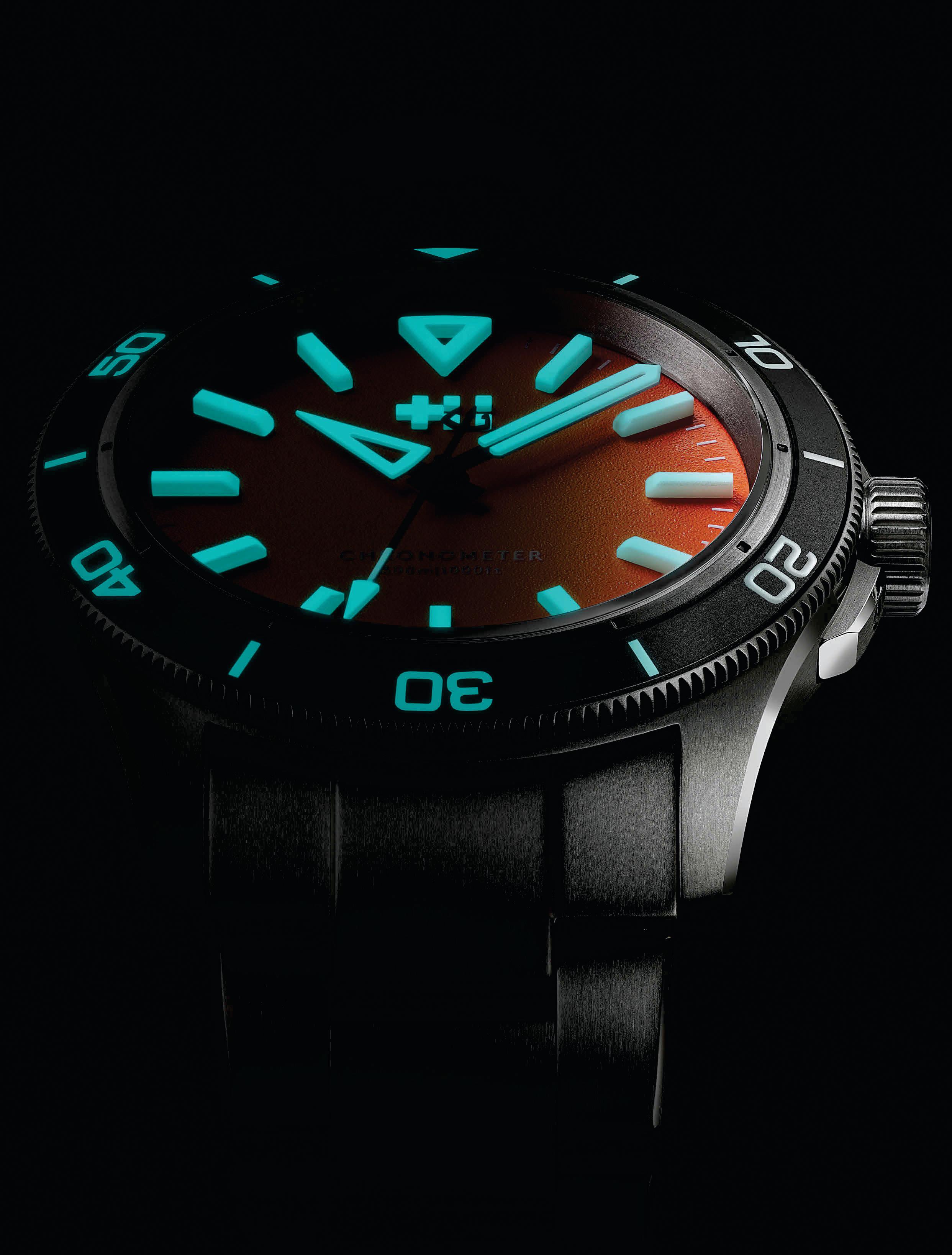
— Back before lume was invented, the issue of reading time in the dark was likely addressed by repeating watches, minute repeaters, sonneries, and tact watches— Abraham Louis-Breguet made the first tact, or tactile, watch in 1799 to discreetly know time by touching the watch case rather than looking at the dial in polite society.
Then came the discovery of radium, a radioactive chemical element, in 1898 by Marie and Pierre Curie. In 1902, William Joseph Hammer, an electrical engineer and laboratory assistant to inventor Thomas Alva Edison, worked on radium and invented radium-based luminous paint. He created a paint that would glow in the dark by mixing radium with zinc sulfide—luminescence had arrived.
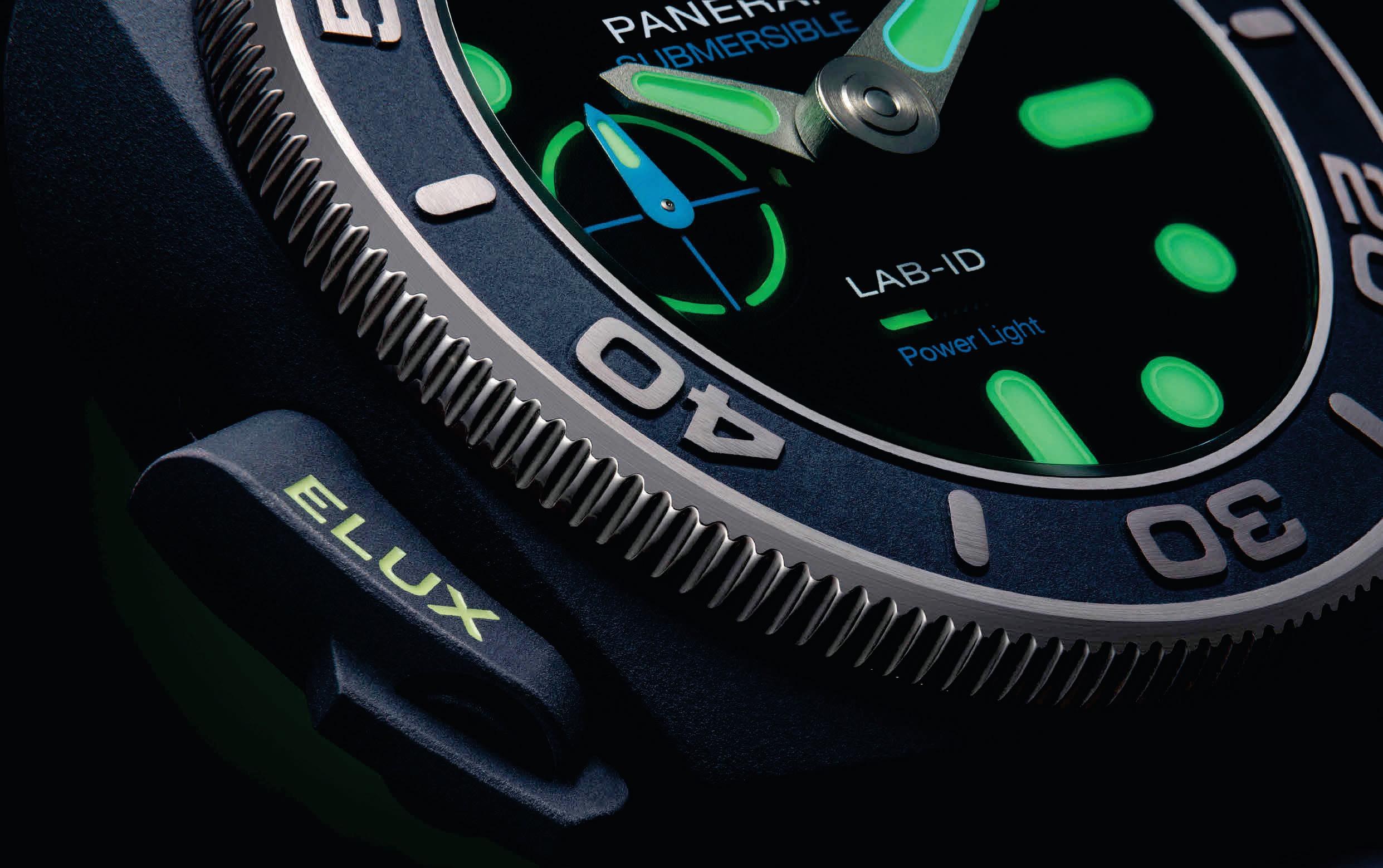
Panerai was the first to adopt it and developed a radium-based luminous compound 'Radiomir,' which was patented by the brand in 1916. Similarly, in the 1910s, Rolex and Omega quickly adopted radium for their watches till the mid-20th century, solving the nighttime visibility problem in one go. However, radium, being radioactive, had dangerous side effects—the story of the Radium Girls, female factory workers in the US in the early 20th century, who suffered radiation poisoning from painting radium dials, is a dark chapter in watchmaking. In the 50s and 60s, radium started getting phased out for relatively safer options, like tritium, and eventually, the completely safe LumiNova and Super-LumiNova®.


Bu hikaye WatchTime India dergisinin Watches for Women 2025 baskısından alınmıştır.
Binlerce özenle seçilmiş premium hikayeye ve 9.000'den fazla dergi ve gazeteye erişmek için Magzter GOLD'a abone olun.
Zaten abone misiniz? Oturum aç
Listen
Translate
Change font size