
Magzter GOLD ile Sınırsız Olun
Sadece 9.000'den fazla dergi, gazete ve Premium hikayeye sınırsız erişim elde edin
Denemek ALTIN - Özgür
ROPE
Philosophy Now
|February/March 2026
Les Jones has a Nietzschean take on a Hitchcock thriller.
-
It’s shrouded by darkness, but it is there: the tear that wells in the eye, then slowly rolls down the cheek, silently drops and splashes into the already soggy bag of popcorn on the cinema-goer’s knee.
Cinema can often create this ‘sadness’ effect on people — as well as elation, excitement, or magic. But why? This is known in philosophy as the paradox of fiction: how can we experience genuine, sometimes powerful, emotions towards characters that we know perfectly well are not real?
Often such emotions arise from movie directors’ deliberate cultivation of their audience’s propensity for sympathy or empathy. This raises questions about manipulation or emancipation, and about the ethics of storytelling. As that tear in the eye tells us, film is far from passive. Fundamental feelings are unleashed and perhaps for certain people this is the only situation in which particular passions are unleashed. If we can engage with such visceral feelings we may inculcate notions of fairness, empathy, and other aspects of morality into viewers. Wouldn’t that be good? Or would it be kind of sneaky? Let’s consider a movie that in the opinion of many has much to contribute to film as morality.
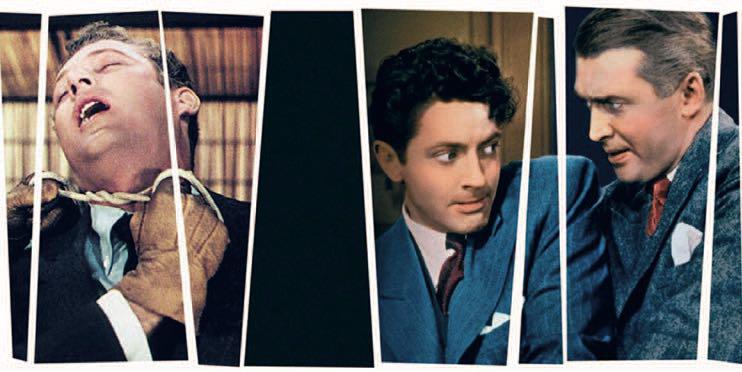
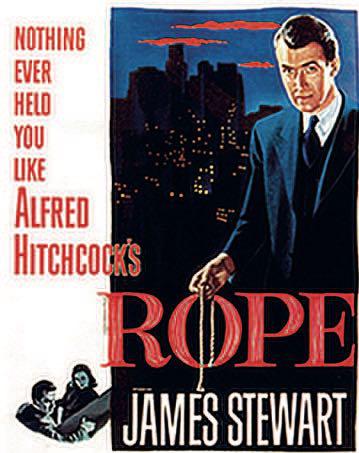
Rope was a 1948 Alfred Hitchcock film, famed among film buffs for having been shot in a very small number of continuous takes. Its central characters are two clever and assured young men, Brandon and Philip.
 They have been taught about Nietzsche’s philosophy, and it seems to them to dovetail with their own views of themselves as being superior to the common crowd. In other words, they choose ideas that support their own predilections.

Bu hikaye Philosophy Now dergisinin February/March 2026 baskısından alınmıştır.
Binlerce özenle seçilmiş premium hikayeye ve 9.000'den fazla dergi ve gazeteye erişmek için Magzter GOLD'a abone olun.
Zaten abone misiniz? Oturum aç
Philosophy Now'den DAHA FAZLA HİKAYE

Philosophy Now
The Possibility- Bearing Animal
Raymond Tallis explores a twilight zone.

7 mins
February/March 2026

Philosophy Now
Amazing Times at the Pub Agora
John Douglas Mullen is a philosophical bar fly on the wall.
8 mins
February/March 2026
Philosophy Now
Friedrich Nietzsche (1844-1900)
Hilarius Bogbinder considers the all too human life of the notorious iconoclast.
11 mins
February/March 2026

Philosophy Now
Heisenberg's Philosophy of Quantum Mechanics
Kanan Purkayastha explains how Werner Heisenberg's 1925 paper turned the quantum theory of the early 1900s into the quantum mechanics of today.
10 mins
February/March 2026
Philosophy Now
Cicero & the Ideal of Virtue
Abdullah Shaikh explores Cicero's ideas about the core Roman principle of virtus.
13 mins
February/March 2026

Philosophy Now
ROPE
Les Jones has a Nietzschean take on a Hitchcock thriller.
6 mins
February/March 2026
Philosophy Now
What Have the Romans Ever Done For Us?
Salve! This issue's theme is Roman Philosophy. But as the rebels in Monty Python's Life of Brian asked, what have the Romans ever done for us? The question seems relevant here; we are philosophers, not archaeologists.
2 mins
February/March 2026

Philosophy Now
Paul Guyer
Paul Guyer is an American philosopher and a leading scholar of both Immanuel Kant and aesthetics. AmirAli Maleki interviews him about Kant's political and moral vision.
9 mins
February/March 2026
Philosophy Now
Identity in the Age of Connectivity
Sara Asran explores the dynamics of identity online.
6 mins
February/March 2026
Philosophy Now
A Very Short History of Critical Thinking
Luc de Brabandere summarises a long history through key figures of thought.
7 mins
February/March 2026
Listen
Translate
Change font size