Denemek ALTIN - Özgür
CONSERVATION FLOCKS
Hobby Farms
|January / February 2026
Many backyard chicken breeds face endangered status. Here's what to keep in mind when starting a flock to ensure a breed's future.
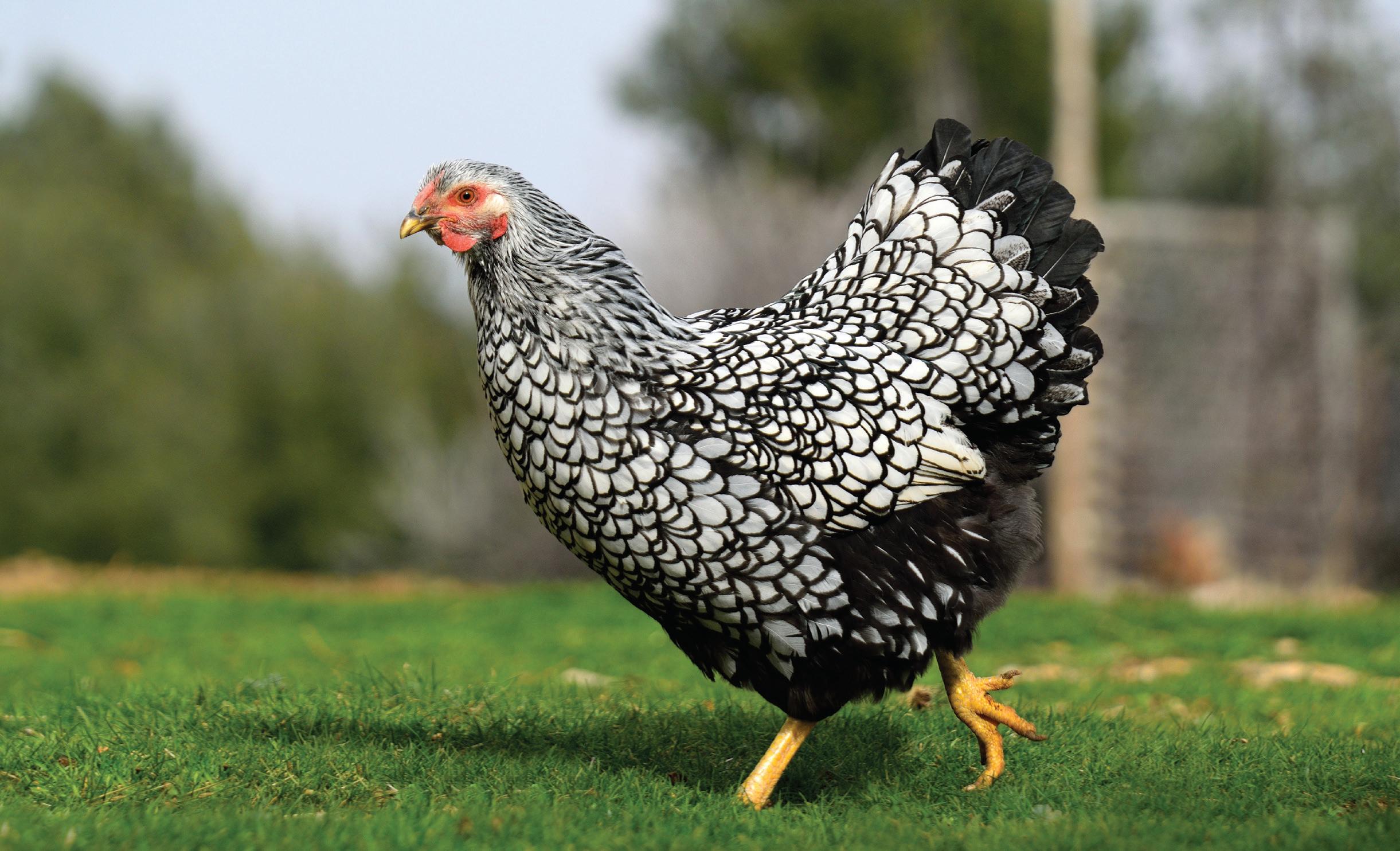
Starting a conservation flock is a rewarding way to support rare and endangered poultry breeds while enjoying the benefits of backyard chicken-keeping.
Whether you're a seasoned homesteader or new to raising chickens, starting a conservation flock allows you to contribute to biodiversity and sustainable farming practices.
By choosing heritage breeds recognized by organizations such as The Livestock Conservancy (https://livestockconservancy.org), you help preserve genetic diversity and traditional farming history. In this guide, we'll walk you through the essentials of starting a conservation flock — from selecting the right breeds to creating a suitable environment for long-term success. But first, what is a heritage breed? The Livestock Conservancy states that a heri- tage breed must adhere to all the following:
APA STANDARD BREED: A heritage chicken must be from parent and grandparent stock of breeds recognized by the American Poultry Association prior to the mid-20th century; whose genetic line can be traced back multiple genera- tions; and with traits that meet the APA Standard of Perfection guidelines for the breed. Heritage chicken must be produced and sired by an APA Standard breed, and heritage eggs must be laid by an APA Standard breed. The Jersey Giant was originally created to potentially replace turkeys as a premium table bird. Its numbers are currently recovering.
NATURALLY MATING: Heritage chicken must be reproduced and genetically maintained through natural mating. Chickens marketed as “Heritage” must be the result of naturally mating pairs of both grandparent and parent stock.


Bu hikaye Hobby Farms dergisinin January / February 2026 baskısından alınmıştır.
Binlerce özenle seçilmiş premium hikayeye ve 9.000'den fazla dergi ve gazeteye erişmek için Magzter GOLD'a abone olun.
Zaten abone misiniz? Oturum aç
Hobby Farms'den DAHA FAZLA HİKAYE
Hobby Farms
NEW YEAR, NEW CROPS
As you make your garden plans for this season, consider these picks from growers across the country.

6 mins
January / February 2026

Hobby Farms
Garden-Scale Crop Rotation
You don't have to be a big-time farmer to benefit from rotating crops.
4 mins
January / February 2026
Hobby Farms
BELTED GALLOWAY CATTLE
The unique appearance of Belted Galloway cattle inspires many questions about their origins.
1 min
January / February 2026
Hobby Farms
Goat Parasites
Grazing on an overly soiled pasture can sometimes lead parasites in your goat herd.
3 mins
January / February 2026

Hobby Farms
Rediscover Ancient Grains
Explore these nutritious and adaptable grains, known by many cultures over thousands of years.
8 mins
January / February 2026
Hobby Farms
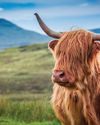
HIGHLAND CATTLE
Highland cattle are an old heritage breed known to have grazed the rugged Scottish landscape since the 6th century.
1 mins
January / February 2026
Hobby Farms
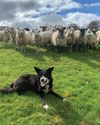
SAY CHEESE
KEEP 'EM COMING
1 min
January / February 2026

Hobby Farms
DIY Essential Oils
Steam-distill your own essential oils at home.
6 mins
January / February 2026
Hobby Farms
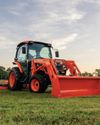
Kubota Goes Grand
Kubota Tractor Corp. has unveiled its latest innovation for small-scale farmers and landowners: the Grand L70 Series. Designed with residential and commercial users in mind, this series blends power, comfort and cutting-edge technology into one versatile machine. With three configurations available — premium, deluxe and cold weather — the Grand L70 Series is built to meet the diverse needs of today’s small farms and rural properties.
1 min
January / February 2026
Hobby Farms
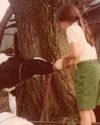
Raising a Bottle Calf
Being raised on a dairy farm, I don't remember a time when I wasn't well-versed in the raising of bottle calves.
9 mins
January / February 2026
Listen
Translate
Change font size