Denemek ALTIN - Özgür
20 COOP CONSIDERATIONS
Hobby Farms
|March - April 2025
Keep these 20 things in mind when designing a home for your chickens.
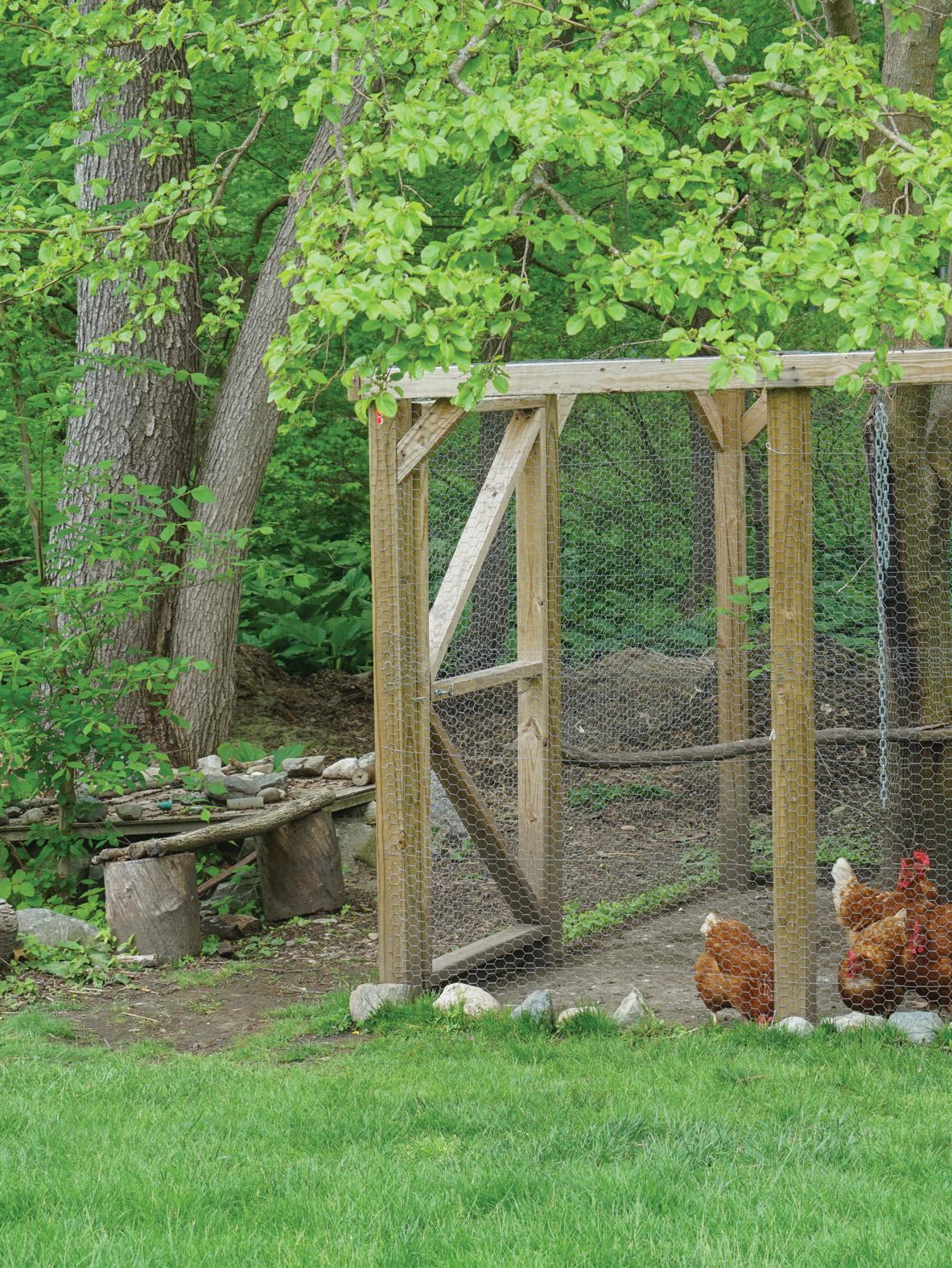
Whether it’s a custom-designed prefabricated construction or self-built structure, every chicken coop should be planned with certain needs in mind. Generally, a flock’s home will consist of a coop where hens sleep and a spot for them to lay their eggs. Birds also need enough space to stretch their wings, usually in an enclosed run attached to the chicken coop.
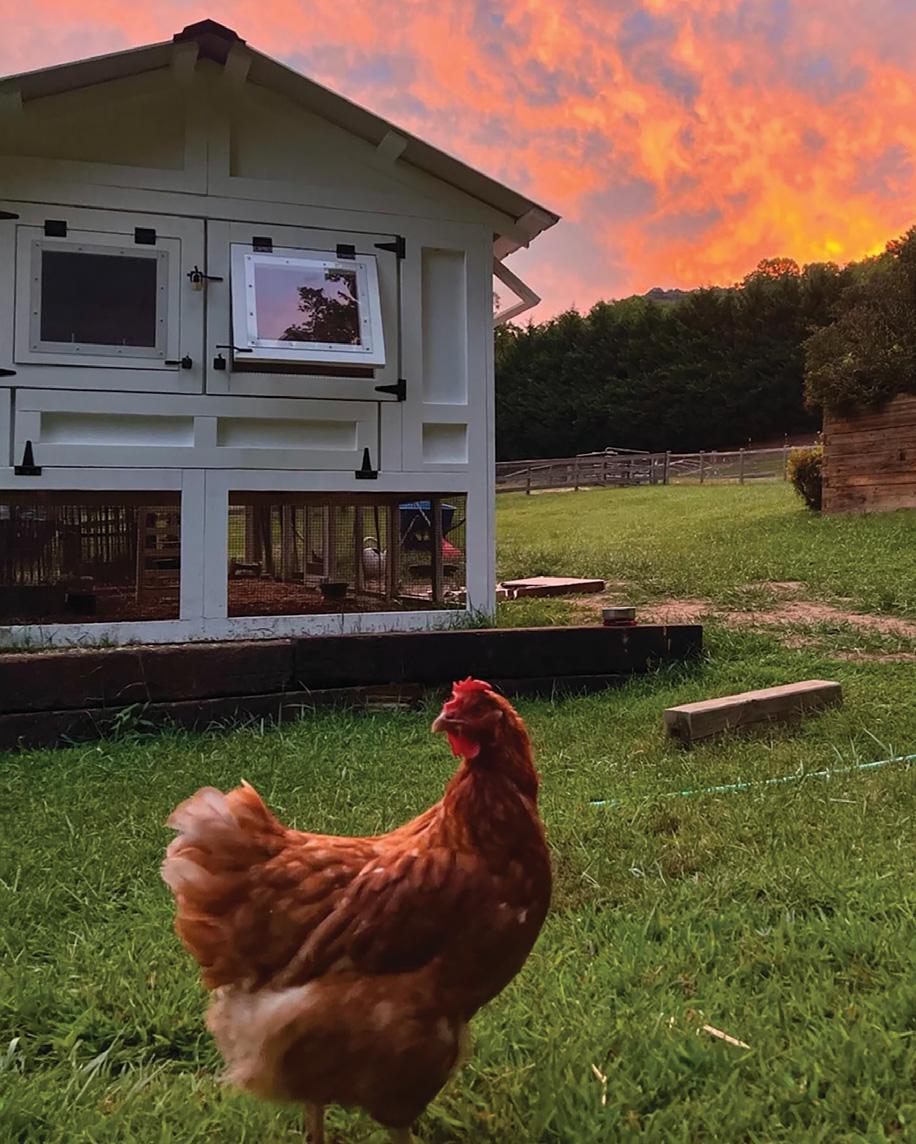 Windows that can be opened in the summer encourage air flow and make a coop air-tight in the winter.
START WITH THE BASICS
1 LOCATION: Before hammering the first nail or sketching the first design, figure out where to locate your coop. It should be a spot that can be leveled with plenty of drainage and protection from winds. Placing a coop so it’s visible from the house can be very handy. A coop near trees provides ample water drainage, wind protection and shade in the summer.
2 SIZE: Whether constructing a new coop or expanding an existing one, the next thing to determine is how large the coop should be. If birds won’t be able to free-range every day, a good rule of thumb is a minimum of 4 square feet of space per hen, which includes an enclosed run if hens have access to it at all hours. Larger hens need more space. Without ample space, chickens become vulnerable to undue stress, which can result in lots of pecking and reduced egg production. It also puts them at risk for infections and diseases.
3 ENCLOSURE: The coop and run should be enclosed on all sides to protect hens from predators. Many chicken owners use small mesh wire fencing or hardware cloth for the sides of their runs. Coop construction can range from plywood to metal to concrete. If it’s sturdy and nontoxic, there are many choices.


Bu hikaye Hobby Farms dergisinin March - April 2025 baskısından alınmıştır.
Binlerce özenle seçilmiş premium hikayeye ve 9.000'den fazla dergi ve gazeteye erişmek için Magzter GOLD'a abone olun.
Zaten abone misiniz? Oturum aç
Hobby Farms'den DAHA FAZLA HİKAYE

Hobby Farms
NEW YEAR, NEW CROPS
As you make your garden plans for this season, consider these picks from growers across the country.

6 mins
January / February 2026

Hobby Farms
Garden-Scale Crop Rotation
You don't have to be a big-time farmer to benefit from rotating crops.
4 mins
January / February 2026
Hobby Farms
BELTED GALLOWAY CATTLE
The unique appearance of Belted Galloway cattle inspires many questions about their origins.
1 min
January / February 2026

Hobby Farms
Goat Parasites
Grazing on an overly soiled pasture can sometimes lead parasites in your goat herd.
3 mins
January / February 2026

Hobby Farms
Rediscover Ancient Grains
Explore these nutritious and adaptable grains, known by many cultures over thousands of years.
8 mins
January / February 2026

Hobby Farms
HIGHLAND CATTLE
Highland cattle are an old heritage breed known to have grazed the rugged Scottish landscape since the 6th century.
1 mins
January / February 2026
Hobby Farms
SAY CHEESE
KEEP 'EM COMING
1 min
January / February 2026

Hobby Farms
DIY Essential Oils
Steam-distill your own essential oils at home.
6 mins
January / February 2026

Hobby Farms
Kubota Goes Grand
Kubota Tractor Corp. has unveiled its latest innovation for small-scale farmers and landowners: the Grand L70 Series. Designed with residential and commercial users in mind, this series blends power, comfort and cutting-edge technology into one versatile machine. With three configurations available — premium, deluxe and cold weather — the Grand L70 Series is built to meet the diverse needs of today’s small farms and rural properties.
1 min
January / February 2026

Hobby Farms
Raising a Bottle Calf
Being raised on a dairy farm, I don't remember a time when I wasn't well-versed in the raising of bottle calves.
9 mins
January / February 2026
Listen
Translate
Change font size