
Magzter GOLD ile Sınırsız Olun
Sadece 9.000'den fazla dergi, gazete ve Premium hikayeye sınırsız erişim elde edin
Denemek ALTIN - Özgür
Reinventing Arcady
The Field
|April 2025
With chalkstreams coming under increasing pressure, it's time to step away from the traditional and manicured and let our rivers breathe
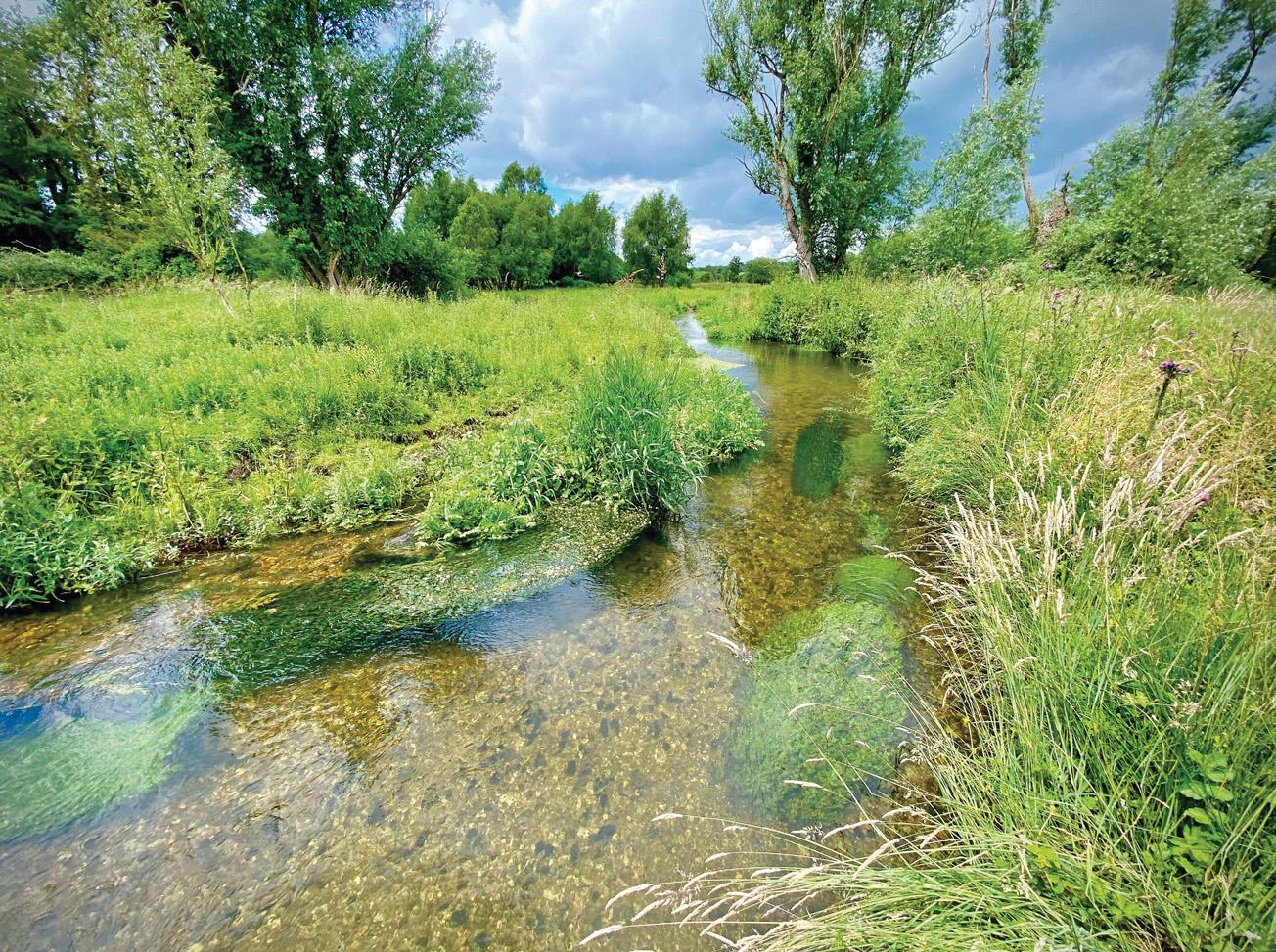
FOR A host of reasons chalkstreams capture people's attention and affections. They are globally unique, freshwater marvels, and important habitat to iconic species such as salmon, native crayfish, otters and mayfly. But generally you learn these things after the chalkstream has already caught you in its spell. I fell for them when I was a boy and before I had any idea they were chalkstreams. The creeks of North Norfolk fascinated me with their impossible, blowsy clarity, their gentle hurry, their aura of peace and all the little fish that swam in them, which I failed to catch.
Later, and more consciously, I fell for the chalkstreams in Wessex, where I moved to teach art in 1987. I met the late Richard Slocock, a pioneer of catch-and-release wild trout fishing at a time when many chalkstream fisheries relied heavily on stocking. Richard was a thorn in the side of the water company that over-abstracted his river. And he practised a slightly scruffier, rougher-edged style of riverkeeping than existed on the classic chalkstreams of Hampshire, where the banks were mown hard and weed was cut vigorously and often. Richard became a good friend. I loved escaping to his watery wildernesses to join him on working days, trimming branches and weed, always with an eye to favouring the wild trout over the angler. In return I got to fish his wild river.
But it wasn't just the wildness that enthralled me: it was the wildness set within a homely landscape. Those streams flowed through the traces of Hardy's Wessex, turning mill wheels, chattering through hatch pools and Over weirs. The remnants of the many ways that chalkstreams have served us are part of their beauty and the layered archaeology of England: they have been used to protect Anglo-Saxon hill forts; to float stone upriver for the construction of abbeys; to float wool downriver to market towns; to grow hay, grind corn; to water grandiose displays of wealth and status in Palladian ponds and lakes.

Bu hikaye The Field dergisinin April 2025 baskısından alınmıştır.
Binlerce özenle seçilmiş premium hikayeye ve 9.000'den fazla dergi ve gazeteye erişmek için Magzter GOLD'a abone olun.
Zaten abone misiniz? Oturum aç
The Field'den DAHA FAZLA HİKAYE

The Field
The Holland & Holland Edition by Overfinch
This exquisitely detailed bespoke Range Rover is built for the field and showcases the best in fine British craftsmanship

3 mins
January 2026

The Field
Digging into terrier breeds
From the Jack Russell to the Australian to the Czesky, every one of the 27 recognised terrier types is either native British or has British ancestry
3 mins
January 2026

The Field
100 O years of The Browning B25 Superposed
Often imitated but rarely bettered, Browning's B25 Superposed is among the most influential and enduring shotgun designs in gunmaking history
8 mins
January 2026

The Field
A princely pair
Probably built for the Prince of Lobkowicz and dating to 1727, these handsome flintlocks boast both Spanish and Austrian influence
3 mins
January 2026
The Field
Adventure in a bottle
From lively, zingy Sauvignon Blanc to cassis-laden Cabernet Sauvignon, Chilean wine opens the door to a world of incredible value and diversity
3 mins
January 2026

The Field
Patrick Grant
The Great British Sewing Bee judge, former Savile Row tailor and founder of Community Clothing talks to Amanda Morison about nature, scything and sustainable fashion
4 mins
January 2026
The Field
The ultimate winter warmer
An exhilarating day following the Ross Harriers across picture-perfect Herefordshire countryside proves an ideal way to banish the January blues
7 mins
January 2026
The Field
An impact that can only grow
As a landmark report reveals the impressive environmental, social, economic and health benefits of gardening, Ursula Buchan hopes policymakers are taking note
3 mins
January 2026

The Field
'Karamojo Bell'
The last of his kind, elephant hunter Captain Walter Dalrymple Maitland Bell left an indelible mark on African hunting history, says Sir Johnny Scott
4 mins
January 2026
The Field
Deer manager shortage fears
Plans to make deerstalking training mandatory in Scotland risk leaving the country short of deer managers, rural groups have warned.
1 min
January 2026
Listen
Translate
Change font size