Denemek ALTIN - Özgür
Masters of ceremonies
BBC History UK
|May 2023
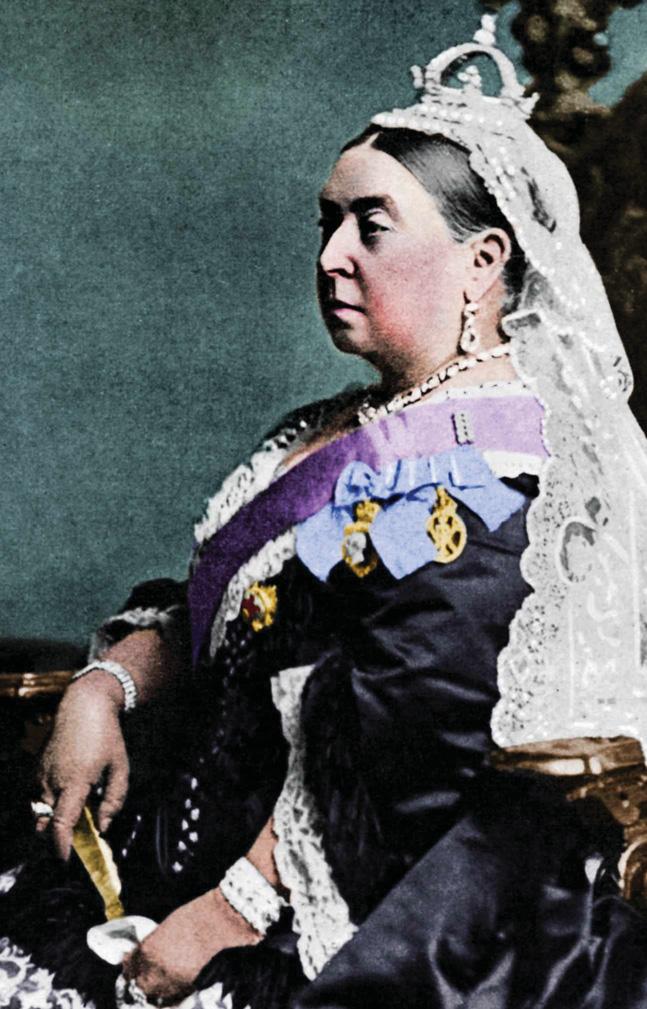
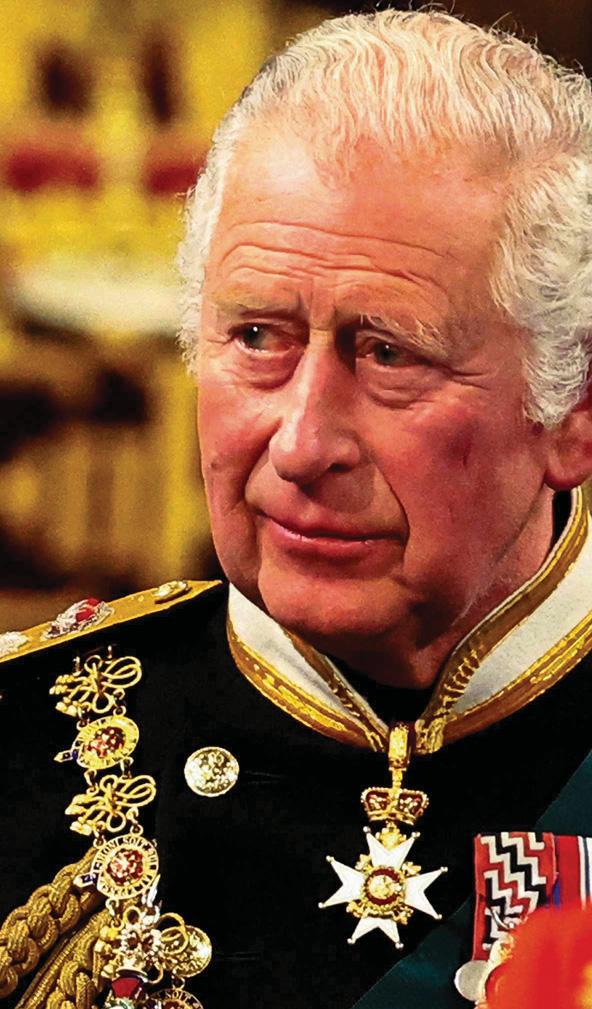
Henry III believed that spectacle elevated him into the sphere of the sacred. Elizabeth I used it to emphasise her Protestant credentials. And Queen Victoria turned it into a celebration of her imperial might. As King Charles III prepares for his coronation, ALICE HUNT reveals how generations of British monarchs have used pomp and pageantry to project power

In 1838, during a debate about Queen Victoria’s forthcoming coronation, the rather radical Earl Fitzwilliam declared that “coronations were fit only for barbarous or semi-barbarous ages, for periods when crowns were won and lost by unruly violence and ferocious contests”. What, he wondered, was the point of an extravagant show when Victoria’s legitimacy was not in doubt, and when she became queen as soon as William IV was dead?
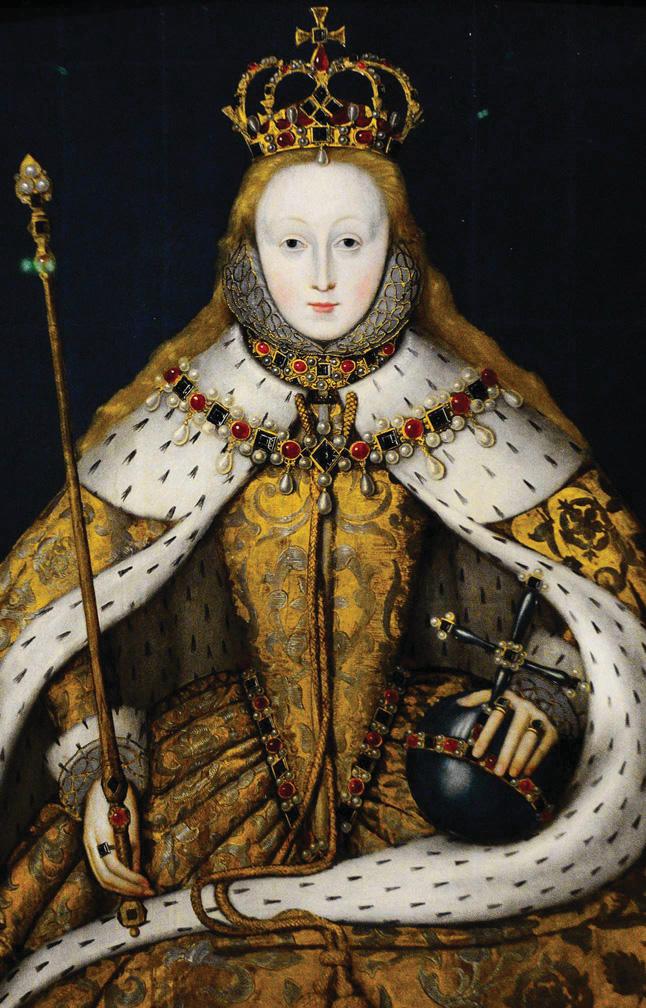
Monarchs have long worried about what functions such royal rituals actually perform, or why they might need them. A look at the various coronations and other ceremonies staged by and for British rulers through the centuries reveals much about both the motives and personalities of those kings and queens, and the power and impact of such events.
In the 13th century, Henry III pondered the ways in which ceremony elevated him into the sphere of the sacred. Robert Grosseteste, bishop of Lincoln, had to tell him that while being anointed meant he was “above his fellows”, he was nowhere near the level of a priest. Four centuries later, Charles I worried about being only ceremony: “We may have swords and maces carried before us, and please our self with the sight of a crown and sceptre,” he said, but without “true and real power, we should remain but the outside, but the picture, but the sign of a king.”


Bu hikaye BBC History UK dergisinin May 2023 baskısından alınmıştır.
Binlerce özenle seçilmiş premium hikayeye ve 9.000'den fazla dergi ve gazeteye erişmek için Magzter GOLD'a abone olun.
Zaten abone misiniz? Oturum aç
BBC History UK'den DAHA FAZLA HİKAYE
BBC History UK
Royal progress
Alice Loxton's new book begins with a compelling premise.

1 mins
January 2026

BBC History UK
"Leaving Muslim contributions out of European history has allowed Islamophobic sentiment to flourish"
THARIK HUSSAIN speaks to Danny Bird about the long but often overlooked and distorted history of Muslims in Europe - and the enduring resistance to its reappraisal
9 mins
January 2026

BBC History UK
7 UNMISSABLE TRIPS IN 2026
With new routes, big anniversaries and fresh ways of discovering familiar favourites, TOM HALL highlights historical destinations to explore this year
4 mins
January 2026

BBC History UK
SOPHIE SCHOLL
Novelist Simon Scarrow chooses
2 mins
January 2026
BBC History UK
Portrait of the artists
TRACY BORMAN is enraptured by a beautifully written and richly illustrated exploration of early modern English art
2 mins
January 2026
BBC History UK
Humble heroes
Statues celebrate monarchs, rulers and conquerors - but who remembers the brave folk who gave their lives to save others? Anna Maria Barry recounts stories of selfsacrificing but otherwise ordinary people from the 19th and 20th centuries who are commemorated in one London park.
9 mins
January 2026
BBC History UK
BACK FROM THE DEAD
Britain’s War Office thanked the SAS for its remarkable efforts in WW2 by abolishing it – yet soon realised the error of its ways. Gavin Mortimer tells the story of how the elite unit reinvented itself to confront the challenges of the postwar world
8 mins
January 2026
BBC History UK
Q&A - A selection of historical conundrums answered by experts
Were Roman gladiators vegetarian?
8 mins
January 2026
BBC History UK
Martha McGill on a pioneering study of folk beliefs in early modern England
I was recently chatting with a handful of early modernists about the history book we'd take to a desert island.
1 min
January 2026
BBC History UK
Independent empires
Viewing the British empire through an American lens provides an intriguing alternative perspective on the 'Land of the Free', says DAVID ARMITAGE
4 mins
January 2026
Translate
Change font size