
Magzter GOLD ile Sınırsız Olun
Sadece 9.000'den fazla dergi, gazete ve Premium hikayeye sınırsız erişim elde edin
Denemek ALTIN - Özgür
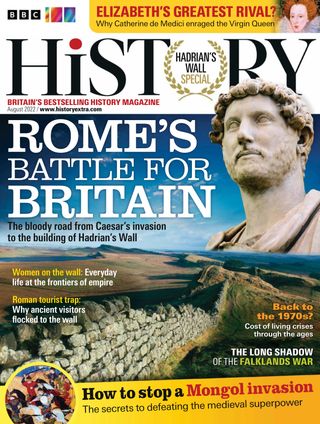
How to repel a MONGOL INVASION
BBC History UK
|August 2022
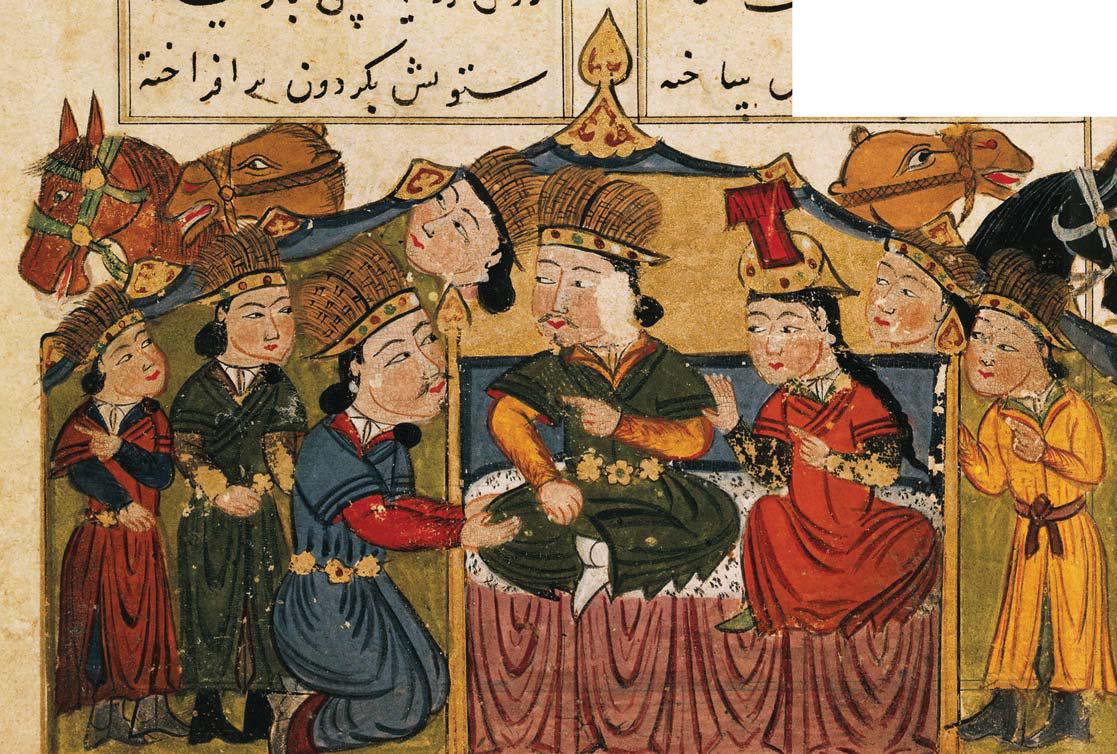
They swept across Asia with terrifying efficiency. Yet, as 13th-century Europe quaked at the prospect of a Mongol invasion, there was an empire that, as Nicholas Morton writes, learned to beat the invaders at their own game

In 1247, the papal envoy John of Plano Carpini returned home a worried man. During the past two years, he had travelled across the greater part of the vast Mongol empire and his experiences confirmed his fears that the Mongols were both exceptionally dangerous and that they were readying themselves for a second assault on Europe.
“It is the intention of the Tartars [Mongols] to bring the whole world into subjection if they can,” Carpini declared, and the evidence of the past decade appeared to support this observation. Back in 1236 – having established a vast empire spanning from the Sea of Japan to the shores of the Caspian Sea, in one of the most extraordinary feats of conquest in human history, the Mongols had begun a new offensive into western Eurasia. City after city fell to their forces, including Kyiv in 1240. “After they had besieged the city for a long time,” reported Carpini, “they took it and put the inhabitants to death.”
In 1241, the Mongols launched an invasion of the kingdoms of Hungary and Poland, causing widespread destruction and defeating every army sent against them. With advancing troops on the outskirts of Vienna, western Europe appeared to be at the mercy of the Mongol juggernaut. But then, suddenly, they were gone. The Mongol emperor, ÖgÖdei, had died and his armies returned home to elect a new leader.

Bu hikaye BBC History UK dergisinin August 2022 baskısından alınmıştır.
Binlerce özenle seçilmiş premium hikayeye ve 9.000'den fazla dergi ve gazeteye erişmek için Magzter GOLD'a abone olun.
Zaten abone misiniz? Oturum aç
BBC History UK'den DAHA FAZLA HİKAYE

BBC History UK
On the skids
Richard Rodgers and Oscar Hammerstein II's smash musical Oklahoma! opened on Broadway on 31 March 1943.

1 min
Christmas 2025

BBC History UK
Small pleasures
Memory is imperfect, but what if you could get a professional model maker to recreate a moment from the past?
1 min
Christmas 2025

BBC History UK
Bath in five places
In the Georgian era, Bath became arguably Britain's most fashionable destination. KIRSTEN ELLIOTT promenades five historic highlights
3 mins
Christmas 2025
BBC History UK
End times
Why do civilisations that dominated their epoch fail? In an era of autocracy, climate change, the rise of Al and a first-hand understanding of how deadly pandemics can be, it's a question that seems pertinent.
1 min
Christmas 2025
BBC History UK
What are the origins of the Yule Lads?
To learn about the Jólasveinar (Yule Lads), we must start with their mother, the terrifying ogress Grýla. Her name appeared in Icelandic texts as early as the 13th century, although it wasn’t until later that those 13 mischievous lads became associated with her. Folk tales and poems tell how she descends from the mountains with an empty sack to stuff full of children. Grýla owns the monstrous Jólaköttur (Yule Cat), which roams the countryside on Christmas Eve, searching for children to gobble up if they're not wearing new clothes.
1 mins
Christmas 2025

BBC History UK
Santa Claus v Father Christmas
The true identity of the white-bearded, red-robed figure who fills children's stockings at Christmas has long been debated. Thomas Ruys Smith sizes up the merry contenders
8 mins
Christmas 2025

BBC History UK
Frontier friction
Set in Washington Territory in 1854, The Abandons is a Western that's unusual for having two matriarchs, women whose lives become entangled, at its centre.
1 min
Christmas 2025

BBC History UK
The Last Days of Pompeii: The Immersive Experience
Delve into the culture of daily Roman life, witness the momentous eruption of Mount Vesuvius, and follow its fallout in Immerse LDN's new exhibition. In a blend of cutting-edge technology and vivid storytelling, this exhibition launches visitors into Pompeii's rich history with recreations of the ancient city's beautiful pre-eruption landscape, a 360-degree virtual reality Roman amphitheatre experience, and a digital metaverse recreating Pompeii's 'Villa of Mysteries'.
1 min
Christmas 2025

BBC History UK
Elizabeth Marsh The corsair's captive
Taken hostage by a Barbary ship's captain in the 18th century, a young Englishwoman found herself fighting for her freedom in Marrakech. ADAM NICHOLS introduces a brave captive who later wrote a book about her dramatic experiences
6 mins
Christmas 2025
BBC History UK
29 DECEMBER 1170: Thomas Becket is murdered in Canterbury
Knights loyal to Henry II rid him of the “low-born cleric”
2 mins
Christmas 2025
Translate
Change font size