Denemek ALTIN - Özgür
AFTER THE FLOOD
The New Yorker
|September 29, 2025
Ian McEwan casts the climate crisis as a story of adultery.
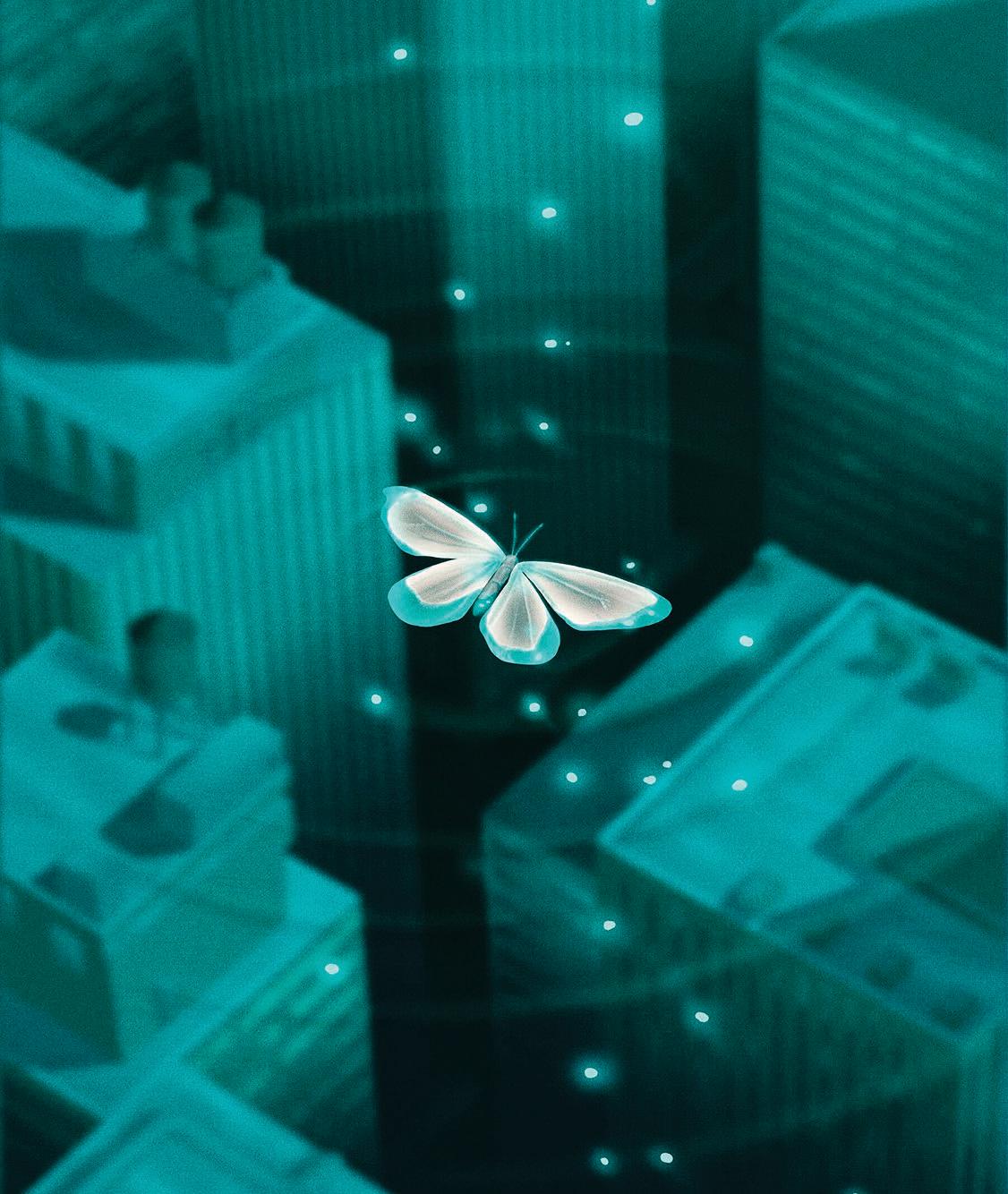
At the start of “What We Can Know,” Ian McEwan’s eighteenth novel, the year is 2119 and the humanities are still in crisis. Thomas Metcalfe, a scholar of the literature of 1990 to 2030, props up his lectures with jokes and colorful animations; he and his colleague Rose, who is also his lover, speak to students in “cheery singsong voices, as if addressing a preschool class.” Midway through the twenty-first century, a nuclear disaster sent tsunamis curling over the continents, sinking New York and Rotterdam and turning the United Kingdom into an archipelago. With much of the past decomposing underwater, it’s hard to blame young people for preferring “things that are new, like the latest toys and novelties of Nigerian pop culture,” Tom reflects. He imagines the inner monologues of his students, sitting listlessly through a seminar on “The Politics and Literature of the Inundation”: “The past was peopled by idiots. Big deal. The matter was dead.”
Tom, the novel's protagonist, is hopelessly nostalgic for the twenty-first century.
For Tom—a man easily carried off by obsession, emotion, or reverie—not much ever really dies. He is fixated on a dinner party that took place in October of 2014, at the country home of the poet Francis Blundy, an eminence rivalled only by Seamus Heaney. The evening, later known as the “Second Immortal Dinner,” drew a glamorous group that included Blundy’s editor, his sister, and a journalist who profiled him in “a magazine called

Bu hikaye The New Yorker dergisinin September 29, 2025 baskısından alınmıştır.
Binlerce özenle seçilmiş premium hikayeye ve 9.000'den fazla dergi ve gazeteye erişmek için Magzter GOLD'a abone olun.
Zaten abone misiniz? Oturum aç
The New Yorker'den DAHA FAZLA HİKAYE
The New Yorker
VISITING HOURS
In Harriet Clark's début novel, a prisoner's daughter must find her way.

10 mins
May 11, 2026

The New Yorker
REVAMPS
Two new musicals on Broadway, \"Schmigadoon!\" and \"The Lost Boys.\"
7 mins
May 11, 2026
The New Yorker
RESOLVED
High-school debate, our real national pastime.
4 mins
May 11, 2026

The New Yorker
THE BIG PICTURE
Frederic Church turned landscape into a vision of national virtue.
17 mins
May 11, 2026

The New Yorker
COUTURE SHOCK
\"The Devil Wears Prada 2.\"
6 mins
May 11, 2026
The New Yorker
THE SHOT HEARD ROUND THE WORLD?
The American Revolution was just one front in a vast global war. Which went rather well for the Brits.
16 mins
May 11, 2026

The New Yorker
CROSSROADS
The inventor of “intersectionality” looks back—and ahead.
16 mins
May 11, 2026
The New Yorker
WHAT WE HOLD
The writing and meaning of the Declaration of Independence.
19 mins
May 11, 2026

The New Yorker
STANDINGS
My given name, Jeon-Gi, with a hard “G,” was one that some of the kids in my apartment complex enjoyed deforming.
33 mins
May 11, 2026

The New Yorker
AMERICAN TWEEN
In some ways, the world is cooked. But being a twelve-year-old still kind of eats.
33 mins
May 11, 2026
Listen
Translate
Change font size