Denemek ALTIN - Özgür
When Lions Were King
Archaeology
|September/October 2023
Across the ancient world, people adopted the big cats as sacred symbols of power and protection
-

THE WORLD'S WILD LION population is in grave danger. There are only 600 Asiatic lions remaining, all of which live in a wildlife reserve in the Gir Forest in northwest India. And just 23,000 African lions roam the land between the southern edge of the Sahara and northern South Africa. The total number of wild lions worldwide has dropped by more than 40 percent in the last half century. But in the past, lions were among the most geographically widespread animals on Earth. Each ancient culture that encountered lions had its own way of embracing their power, and the big cats became symbols of spirituality, kingship, bloodlust, divinity, and even safety and peace.
RITUALS
Spain
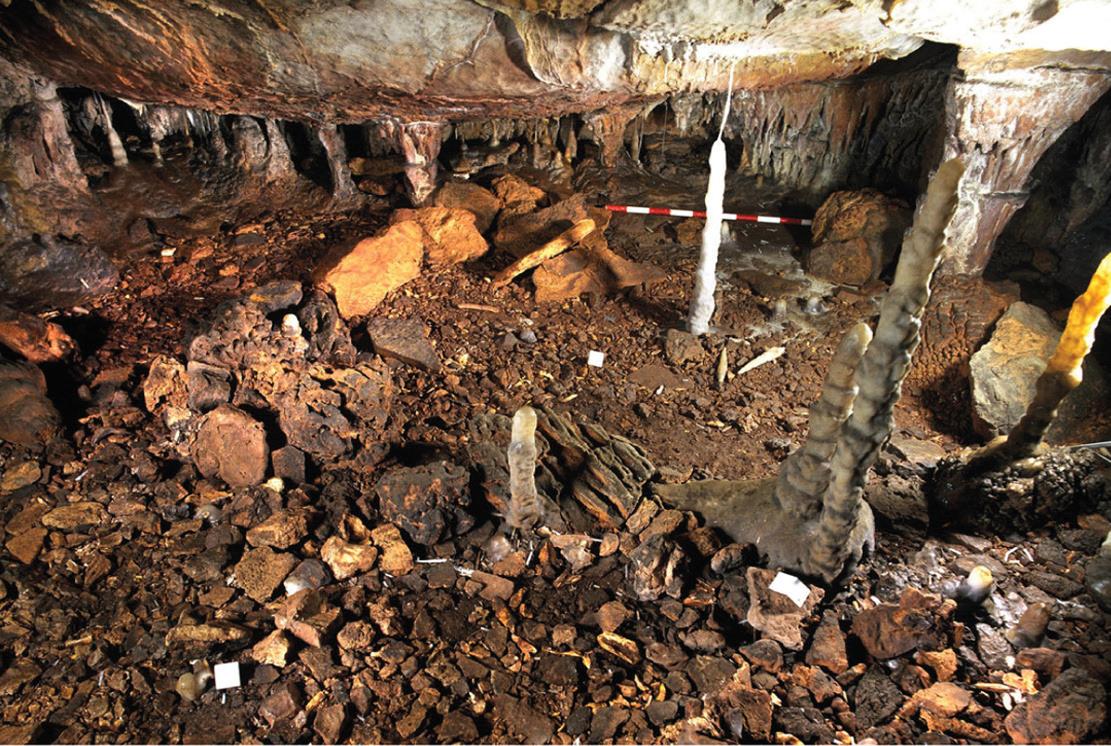
More than 15,000 years ago, a group hunter-gatherers in northern Morf of Spain killed a lion and brought it home. Cave lions (Panthera spelaea) had roamed Europe for at least 400,000 years, but by this time, their numbers were declining as they were forced to compete for prey with an increasing human population. The lion must have been a great prize. Rather than cut up the feline for food at their cave's entrance, as they did with their other prey, the people carried parts of the huge animal 425 feet into the cave, now called La Garma, to an area known as the Lower Gallery. There, archaeologists discovered nine of the animal's phalanges, the part of the paw to which the claws are attached.
The faunal remains in La Garma's Lower Gallery are uniquely well preserved and provide rare evidence of the daily lives of Paleolithic hunter-gatherers and of the animals they interacted with. More than 4,000 mammal bones and fragments have been uncovered in the Lower Gallery, but none more fascinating than the lion's.

Bu hikaye Archaeology dergisinin September/October 2023 baskısından alınmıştır.
Binlerce özenle seçilmiş premium hikayeye ve 9.000'den fazla dergi ve gazeteye erişmek için Magzter GOLD'a abone olun.
Zaten abone misiniz? Oturum aç
Archaeology'den DAHA FAZLA HİKAYE
Archaeology
THE EGYPTIAN SEQUENCE
Until now, the earliest Egyptians to have even part of their DNA sequenced were three people who lived between 787 and 544 B.C.

1 mins
November/December 2025

Archaeology
SOURCE MATERIAL
As early as 40,000 years ago, some hunter-gatherers in southern Africa ventured long distances to procure special types of stone to make their tools.
1 min
November/December 2025

Archaeology
Secrets of the Seven Wonders
How archaeologists are rediscovering the ancient world's most marvelous monuments
13 mins
November/December 2025
Archaeology
ACTS OF FAITH
Evidence emerges of the day in 1562 when an infamous Spanish cleric tried to destroy Maya religion
12 mins
November/December 2025

Archaeology
OASIS MAKERS OF ARABIA
Researchers are just beginning to understand how people thrived in the desert of Oman some 5,000 years ago
8 mins
November/December 2025

Archaeology
FOSSIL FORCE
One of the planet's most successful arthropods, trilobites, abounded in the oceans from about 520 million to 250 million years ago.
1 min
November/December 2025
Archaeology
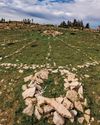
BIGHORN MEDICINE WHEEL, WYOMING
Perched almost 9,700 feet above sea level on Medicine Mountain in Wyoming's Bighorn Range, the Medicine Wheel is an 80-foot-diameter circular structure made from limestone boulders.
2 mins
November/December 2025
Archaeology
ANCIENT LOOK BOOK
A young woman buried in China's Tarim Basin some 2,000 years ago went to the afterlife accompanied by the height of fashion.
1 mins
November/December 2025
Archaeology
A FAMILIAR FACE
In the early eleventh century, a landslide on the island of Ostrów Lednicki in western Poland caused a hillfort to collapse and slip to the bottom of Lake Lednica.
1 min
November/December 2025
Archaeology
Temples to Tradition
A looted cache of bronzes compels archaeologists to explore Celtic sanctuaries across Burgundy
13 mins
November/December 2025
Translate
Change font size