
Magzter GOLD ile Sınırsız Olun
Sadece 9.000'den fazla dergi, gazete ve Premium hikayeye sınırsız erişim elde edin
DECONSTRUCT YOUR FAVORITE BOOKS
Writer’s Digest
|January / February 2026
Read like a writer to apply the lessons to your own work.

READ LIKE A WRITER
A common writing tip is to read a lot. For most authors, this is like telling a cat to suck it up and have another bowl of cream. Reading for pleasure is, to most of us, a joy. Reading like an author, though, requires diligent analysis and is, like all aspects of writing, work. Hopefully enjoyable work, but work nonetheless. Specifically, assessing why stories you love are effective requires critical thinking, the central component of analysis.
IDENTIFY WHAT YOU ADMIRE
When you read a book you wish you'd written, start the deconstruction process by identifying those elements you admire—what elements work? A second read-through allows you to analyze how the author did it. The goal isn’t to replicate their work, of course; it’s to adapt the techniques to your own projects so you can write stories that shine with originality. You might be struck by point of view, pace, structure, the seamless sharing of backstory, how to reveal character through dialogue, or some other characteristic you want to better understand. Regardless of the element you admire, deconstruction allows you to move beyond the what to reach the how.
CONSIDER POINT OF VIEW
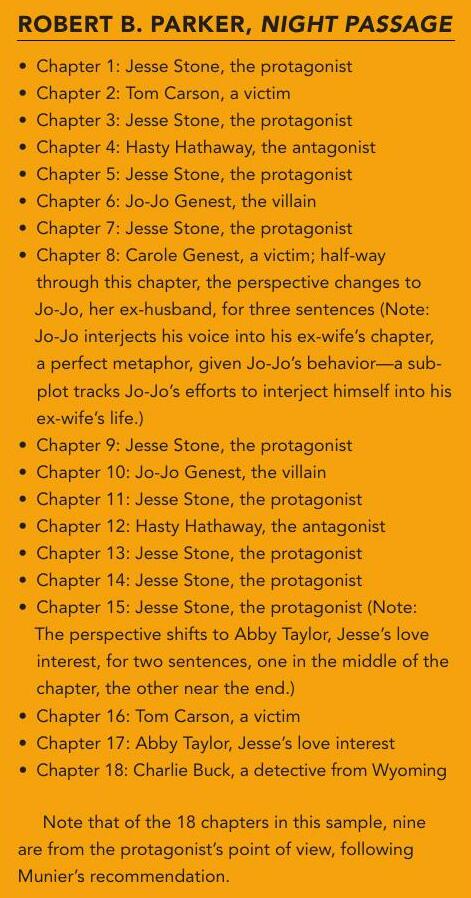
Let’s say, for example, you admire the multiple points of view found in Robert B. Parker's Night Passage. Go through, chapter by chapter. You'll discover that not only is each chapter told from one character's point of view, but occasionally, there are shifts in POV within chapters. How, you ask yourself, did Parker know which character should deliver which information and when? A close read reveals that the story unfolds chronologically. Whichever character is directing the action (or on the receiving end) provides that chapter's POV.

Bu hikaye Writer’s Digest dergisinin January / February 2026 baskısından alınmıştır.
Binlerce özenle seçilmiş premium hikayeye ve 9.000'den fazla dergi ve gazeteye erişmek için Magzter GOLD'a abone olun.
Zaten abone misiniz? Oturum aç
Writer’s Digest'den DAHA FAZLA HİKAYE
Writer’s Digest
100 Best Markets for Writers
A list of print and online publications looking for freelancers to contribute their knowledge on everything from pet care to finance and beyond.

65 mins
Yearbook 2026

Writer’s Digest
Memoir Plus
Add a bonus to your personal narrative for a marketing boost.
8 mins
Yearbook 2026
Writer’s Digest
Surefire Ways to Sell Your Children's Book
In my 28 years editing children's books, I've learned that publishing exists at the intersection of art and commerce.
5 mins
Yearbook 2026
Writer’s Digest
The ABCs of Freelance Success
Many freelance writers, especially those at the beginning of their careers, tend to place almost all of their professional focus on one specific component: craft.
5 mins
Yearbook 2026
Writer’s Digest
How to Write in Different Genres
Emiko Jean and Yulin Kuang share tips and strategies for how they successfully write in different genres and mediums.
8 mins
Yearbook 2026
Writer’s Digest
Small But Mighty
Why small presses might be the perfect home for your book.
8 mins
Yearbook 2026

Writer’s Digest
The Story Behind the Story
What's backstory, and what's it doing here anyway?
6 mins
Yearbook 2026

Writer’s Digest
2025 Year in Review
Publishing expert Jane Friedman recaps the biggest news in the industry.
8 mins
Yearbook 2026

Writer’s Digest
What Is Your Story Question?
When a story isn't working—when you know it's not quite coming together, when beta readers and critique partners confirm your fears but can't put a finger on why, or you're not getting offers from agents or publishers—savvy authors start trying to diagnose the issue by examining its component parts, like characterization, plot, and stakes.
6 mins
Yearbook 2026
Writer’s Digest
Writer's Digest 27th Annual 101 Best Websites for Writers
For the 27th year, Writer's Digest is shining a light on 101 websites with a goal of helping writers in a variety of ways.
26 mins
Yearbook 2026
Listen
Translate
Change font size