Denemek ALTIN - Özgür
'Zomato Was Convinced There Was One Thing They'd Never Do: Food Delivery'
Forbes India
|November - December 2025
Excerpts from Megha Vishwanath's book which gives an insider's account of how Deepinder Goyal built Zomato
-
Flipkart received its first institutional investment of $1 million from venture capital firm Accel Partners, swiftly followed by a notable $10 million infusion from Tiger Global Management.
redBus made waves and raised $2.5 million from the likes of Inventus Capital Partners and Seed Fund. mKhoj raised $7.1 million from KPCB and Sherpalo in 2008, pivoted to mobile ads, and rebranded as InMobi in 2009. Overall, the startup ecosystem in India was signalling the dawn of a digital-first era in India.
Food-tech itself was still a nascent category, but it would only be a matter of time before it would become trendy, and several startups gradually emerged.
HungryZone (previously Hungry Bangalore) was backed by Indian Angel Network and was later acquired by UK-based JustEat in 2011. Mumbai-based Burrp.com had just been acquired by Network18's subsidiary Infomedia18 in 2009. Pune-based TastyKhanaand Times Internet Limited's TimesCity.com were also picking up steam.
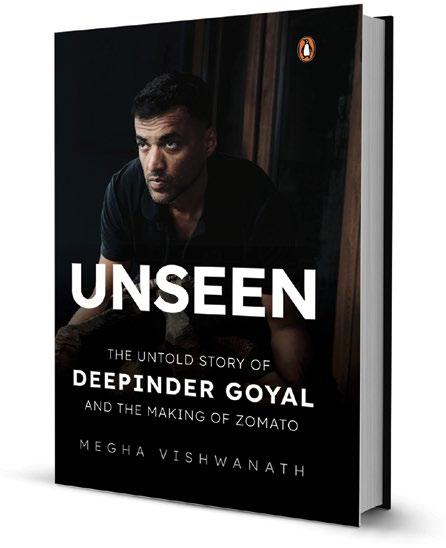 From the outside, it seemed like Deepinder and Pankaj must have been obsessing over this pivotal question while strategising, mapping their next moves and drawing up elaborate plans. But that wasn't how they saw it.
From the founders' point of view, Foodiebay wasn’t merely about seizing an opportunity; it was about crafting an experience and building real connections. And fundraising was never part of the plan.
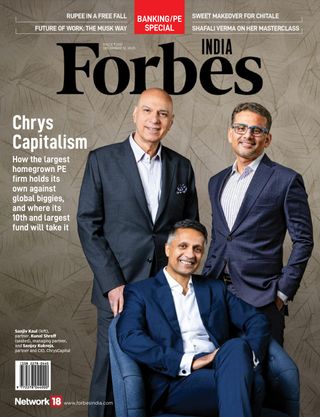

Bu hikaye Forbes India dergisinin November - December 2025 baskısından alınmıştır.
Binlerce özenle seçilmiş premium hikayeye ve 9.000'den fazla dergi ve gazeteye erişmek için Magzter GOLD'a abone olun.
Zaten abone misiniz? Oturum aç
Listen
Translate
Change font size