
Magzter GOLD ile Sınırsız Olun
Sadece 9.000'den fazla dergi, gazete ve Premium hikayeye sınırsız erişim elde edin
Label Fable
Forbes India
|November 14, 2025
The draft amendment to IT rules proposes social media users to self-declare if their uploads are AI-generated, and platforms to label such content
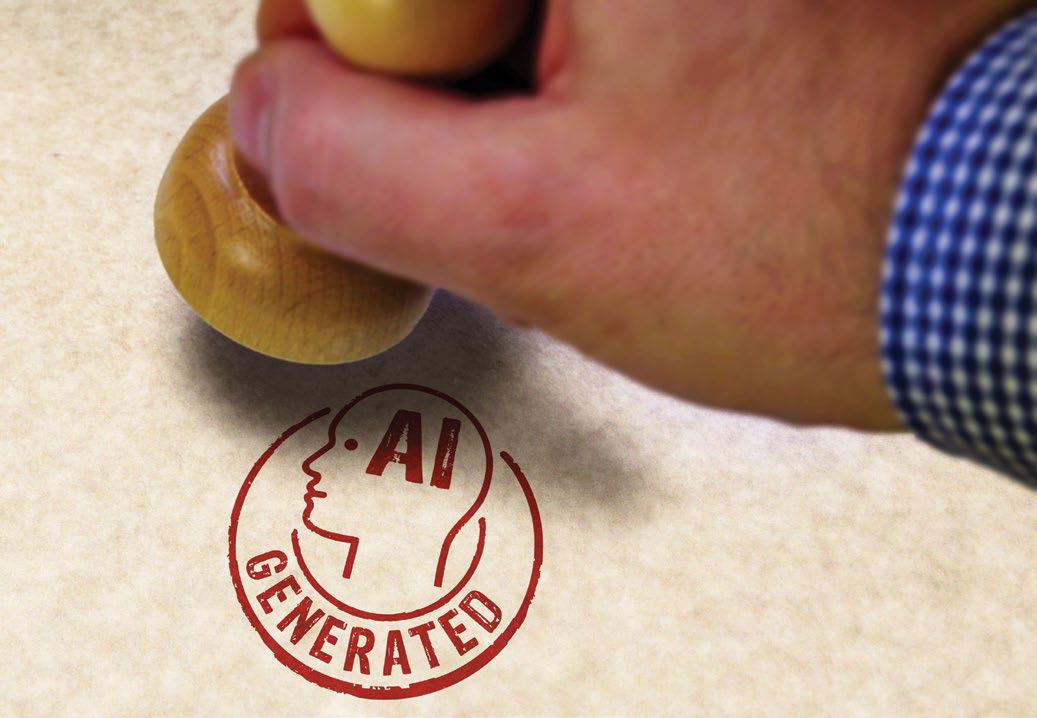
THE MINISTRY OF ELECTRONICS and Information Technology (MeitY) has proposed a draft amendment to the Information Technology (Intermediary Guidelines and Digital Media Ethics Code) Rules, 2021, aimed at curbing the spread of deepfakes and misinformation online.
The draft released on October 22 mandates that social media platforms must label AI-generated content. The declaration must cover 10 percent of the content's area and applies to all types of synthetic information/content, including text, video and audio, and is not limited to photorealistic content, according to officials and the draft text.
The draft is open for public and industry feedback till November 6.
As per the proposed rules, dual responsibility is placed on platforms and users. Users must self-declare whether the information/content they upload is AI-generated or synthetically modified. If they fail to do so, platforms like OpenAI, Meta, Google and X will be required to proactively detect and label such content using “reasonable and proportionate technical measures”. This means if a user is not declaring voluntarily, the platforms will need to enable tech to identify such content and make the declaration. In the absence of such a declaration, they can remove it from their platform.
The regulation also calls for non-removable metadata or identifiers to be embedded in AI-generated content, ensuring traceability and transparency. Platforms are prohibited from altering or removing these labels. The draft defines AI-generated information as content “artificially or algorithmically created, generated, modified or altered using a computer resource in a manner that reasonably appears to be authentic or true”.
The move comes amid growing concerns over the misuse of generative AI tools to impersonate individuals, manipulate elections and spread false information, and is prompted by similar moves by the European Union and China.
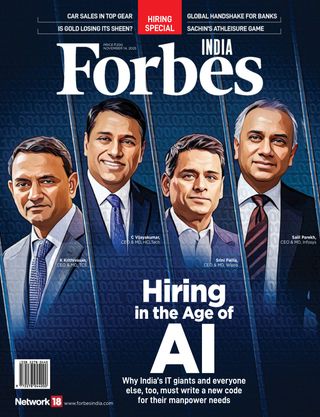

Bu hikaye Forbes India dergisinin November 14, 2025 baskısından alınmıştır.
Binlerce özenle seçilmiş premium hikayeye ve 9.000'den fazla dergi ve gazeteye erişmek için Magzter GOLD'a abone olun.
Zaten abone misiniz? Oturum aç
Listen
Translate
Change font size