
Magzter GOLD ile Sınırsız Olun
Sadece 9.000'den fazla dergi, gazete ve Premium hikayeye sınırsız erişim elde edin
Denemek ALTIN - Özgür
The basics of cutworm management
Farmer's Weekly
|October 20, 2023
While the presence of weeds strongly influences the pest status of cutworm, the influence of soil moisture on factors such as their biology and behaviour are often overlooked. Entomologist and Bt-maize expert Prof Johnnie van den Berg and Zunel van Eeden, a master's student at North-West University's Integrated Pest Management group, have undertaken research on cutworm behaviour, control and insecticide resistance.

The common cutworm, Agrotis segetum (Lepidoptera: Noctuidae) is a destructive pest of maize, especially in the Highveld region of South Africa. Over the three previous cropping seasons, many reports of control failure have been made throughout the region. Although there is speculation regarding insect resistance to insecticides, the observed control failures are most likely due to other factors, such as larval behaviour and environmental conditions, and, notably the presence of weeds.
WHY IS IT DIFFICULT TO IDENTIFY CUTWORM?
Identification of cutworm as the pest responsible for injury to seedlings in a particular land is difficult due to their habit of tunnelling into the soil during the day and feeding at night. It is therefore difficult to detect larvae to associate with the observed damage symptoms, which could possibly also be due to other soil insect pests. When damaged or dead seedlings are observed, the soil around the base of the plants should be examined for the presence of cutworms. Larvae can be observed beneath clods, inside their tunnels, or in soil cracks.
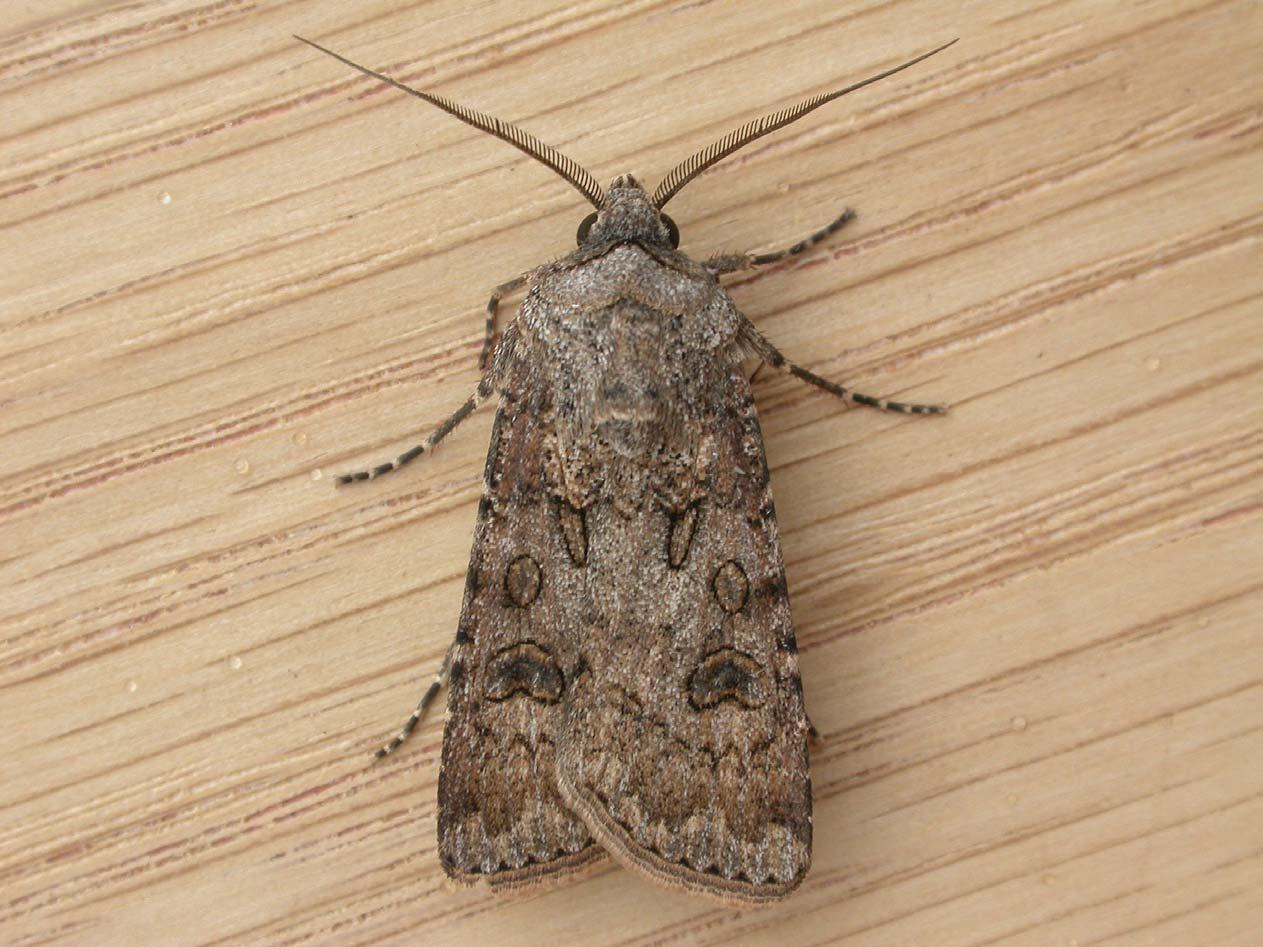
SIGNS OF CUTWORM INFESTATION
Cutworm damage is influenced by the quantity and size of larvae present in lands. Only if seedlings are seriously damaged and when stand loss occurs, can damage be considered economically important. Damage symptoms to maize seedlings can be grouped into five categories, depending on the size of the larvae and the age of the plant.
Stand loss

Bu hikaye Farmer's Weekly dergisinin October 20, 2023 baskısından alınmıştır.
Binlerce özenle seçilmiş premium hikayeye ve 9.000'den fazla dergi ve gazeteye erişmek için Magzter GOLD'a abone olun.
Zaten abone misiniz? Oturum aç
Farmer's Weekly'den DAHA FAZLA HİKAYE

Farmer's Weekly
The foot-and-mouth disease threat is growing
Foot-and-mouth disease poses a growing threat to the livestock industry, especially communal farmers, with devastating economic consequences unless awareness and compliance improve, writes Shane Brody.

3 mins
January 30 - February 06, 2026

Farmer's Weekly
Shipping conditions to ease in 2026, but risk remains high
Early signs suggest a more favourable export season for South African producers, as easing global shipping congestion and improved performance by Transnet point to higher throughput at local ports. Lindi Botha reports.
2 mins
January 30 - February 06, 2026

Farmer's Weekly
A path of accelerating land reform in South Africa
Delivering the ANC's January 8th Statement a few weeks ago, President Cyril Ramaphosa noted, amongst other things, that: “Land reform remains one of the most urgent tasks of the National Democratic Revolution. While progress has been made, much more is required to give effect to the constitutional requirement for redress and equitable access to land.”
2 mins
January 30 - February 06, 2026
Farmer's Weekly
Reflections on 2025 and the policy space for 2026
The year 2025 was a year characterised initially by a wave of misinformation, particularly relating to legislation and tariff issues. This year some big moves are expected in the trade space.
3 mins
January 30 - February 06, 2026

Farmer's Weekly
From planning to peak lay: building a profitable egg business
Mpumalanga poultry farmer Lebogang Mashego spoke to Octavia Avesca Spandiel, and shared practical insights on planning, building systems that work, breed choice, feed management, and markets to build a profitable and sustainable egg business.
5 mins
January 30 - February 06, 2026

Farmer's Weekly
Impofu Wind Farm becomes a canvas for community connection through Enel's Blowing Art Initiative
Enel Green Power South Africa has introduced the Blowing Art Initiative at the Impofu Wind Farm in the Eastern Cape, a creative community project that turns renewable energy infrastructure into a living gallery.
2 mins
January 30 - February 06, 2026

Farmer's Weekly
Geely is intent on hanging around
Having fallen off the radar around a decade ago following a short local stint, Chinese manufacturer Geely has announced its proposed return to South Africa towards the end of 2026. The Citizen's Jaco van der Merwe reports.
4 mins
January 30 - February 06, 2026

Farmer's Weekly
Great reads to enjoy during ‘me-time'
Patricia McCracken has plucked an assortment of fascinating titles covering different areas of interest, from coastal exploration and dining in the wild, to African traditions surrounding love and marriage.
3 mins
January 30 - February 06, 2026
Farmer's Weekly
Thokoman Peanut Butter marks 25-year milestone with R500 000 commitment to food security
Thokoman Peanut Butter, one of South Africa's biggest producers of peanut butter, celebrates 25 years of consistent quality and community support, marking the occasion with a significant R500 000 partnership with Hot 102.7's Hot Cares initiative for 2026.
2 mins
January 30 - February 06, 2026
Farmer's Weekly
South Africa's famous wandering hippo
From 1928 to 1931, a hippopotamus trekked 1 600km from what was then northern Natal to the Eastern Cape's Keiskamma River near Peddie, where it was shot dead by a posse of farmers. As Mike Burgess writes, this journey would immortalise the hippo in South African history.
3 mins
January 30 - February 06, 2026
Translate
Change font size