
Magzter GOLD ile Sınırsız Olun
Sadece 9.000'den fazla dergi, gazete ve Premium hikayeye sınırsız erişim elde edin
Denemek ALTIN - Özgür
How city farms are actively conserving our native breed
The Country Smallholder
|March 2025
Rare Breeds Survival Trust Chief Executive Christopher Price explains how consumers see farming in their own urban community
-
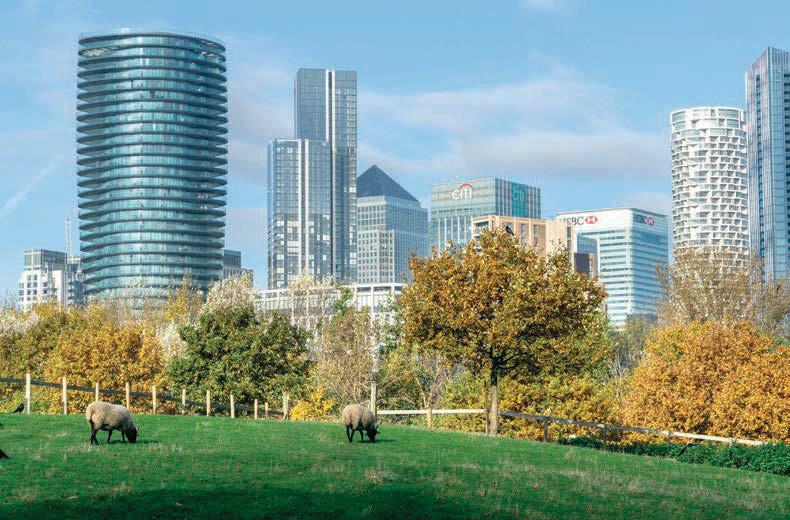
Much of the most visible work to conserve the UK's rare livestock and equine breeds takes place in rural landscapes, but a number of City Farms are doing important and valuable work in the most urban of environments to support the survival of some of the UK's rarest native breeds.
Within the 30-strong network of RBST-approved centres, there are several urban farms and educational facilities taking part in crucial conservation programmes, managing special pedigree breeding groups, and providing education to new audiences about rare breeds and why they matter. These City Farms provide a fantastic facility for people living in their communities, and the education they deliver centred on rare breed animals can bring multiple benefits for local people in tandem with these breeds' conservation.
The RBST-approved farm parks, educational centres and associates are all actively breeding pedigree, registered groups of Watchlist breeds and they are all open to the public. It is a diverse group, varying in size, style, mission and location, and each organisation offers an important public showcase for native breeds as well as an important source of pedigree stock.
CONSERVATION NEAR CANARY WHARF
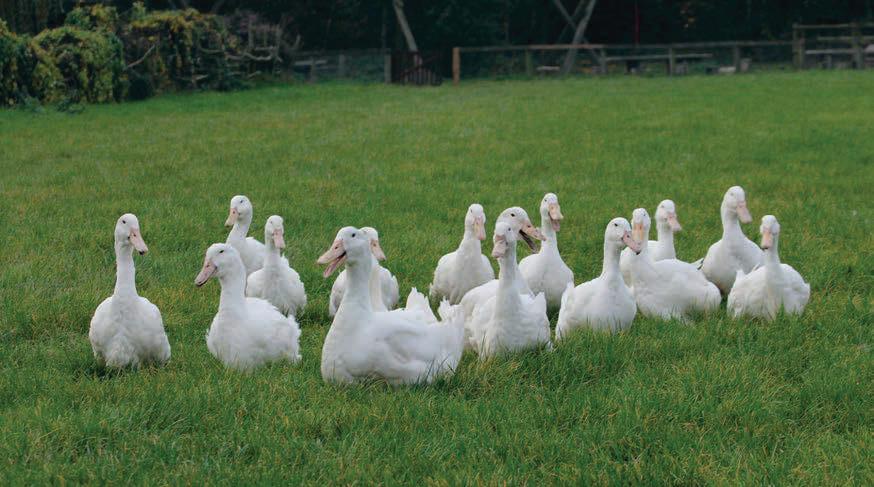
Of the RBST-approved centres in urban locations, the largest is Mudchute City Farm on the Isle of Dogs close to Canary Wharf in London. It is one of the largest city farms in Europe, and supports the conservation of Watchlist breeds including Tamworth, Large White, Middle White and Large Black pigs; Dorking, Sussex and Indian Game chickens; Aylesbury, Indian Runner, Rouen and Pekin ducks; Norfolk Horn, Whitefaced Woodland, Oxford Down and Soay sheep; and Royal Golden Guernsey and Bagot goats.

Bu hikaye The Country Smallholder dergisinin March 2025 baskısından alınmıştır.
Binlerce özenle seçilmiş premium hikayeye ve 9.000'den fazla dergi ve gazeteye erişmek için Magzter GOLD'a abone olun.
Zaten abone misiniz? Oturum aç
The Country Smallholder'den DAHA FAZLA HİKAYE
The Country Smallholder
Making sure you put enough nutrition into your dairy goat to support her milk production
Sarah Day, nutritionist for Small Holder Feed offers feeding advice for your dairy goats to help them be happy, healthy and milky animals.

6 mins
March 2026
The Country Smallholder
Welcoming the very start of the spring season
Henrietta Balcon makes the most of the new crop rhubarb
2 mins
March 2026
The Country Smallholder
Starting with Pigs - before you start
Linda Aldous outlines what you need to do before anything porcine arrives on your smallholding
3 mins
March 2026
The Country Smallholder
Insurance to protect livestock - and your peace of mind
Looking ahead to a busy 2026 for Pedigree Sales, farmers and breeders will be preparing their livestock for the upcoming markets
2 mins
March 2026
The Country Smallholder
Getting Your Electric Fence Spring-Ready: Expert Q&A
As Spring arrives, it’s the perfect time to give your electric fence some attention. Based on questions we discuss regularly here at www.electricfencing.co.uk, here’s a list of the checks you should be carrying out now, and why they matter.
2 mins
March 2026
The Country Smallholder
Check your kit for the busy seasons ahead
Agricultural journalist, and machinery writer Jane Brooks, joins us for her regular look at the world.
4 mins
March 2026
The Country Smallholder
Flock together: is now the right time to add more hens?
Andy Hill explains how to integrate birds into a flock without feathers flying
4 mins
March 2026
The Country Smallholder
The secrets behind maximising incubator hatch rates
Buying quality point of lay hens can be an expensive proposition these days (even if you can find a local source of the breed that you want). Incubating fertilised eggs can save a great deal of money and make many more breeds accessible. If you already keep poultry that includes a cockerel, an incubator means that you can hatch their eggs either to increase your flock or to sell. Hugh & Fiona Osborne have been using incubators for many years and have learned that getting a good hatch means attention to detail.
7 mins
March 2026
The Country Smallholder
Making choices for your chicks
Victoria Roberts BVSc MRCVS says Natural and Artifical Incubation are not an either/or choice
5 mins
March 2026
The Country Smallholder
An appetite for asparagus
Our Experts answer your questions
1 mins
March 2026
Listen
Translate
Change font size