Denemek ALTIN - Özgür
What is assisted migration?
BBC Wildlife
|July 2025
THE GUAM KINGFISHER - ALSO KNOWN as the sihek - has been extinct in the wild since 1988 but was successfully introduced to Palmyra Atoll last year. However, they aren’t native to the island (which is roughly one-third of the way between Hawaii and American Samoa). With the invasive brown tree snake responsible for their decline still at large on Guam, the most feasible way to restore them to the wild was by moving them to an entirely new home. Though the project is young, it’s a high-profile example of a controversial conservation technique known as assisted migration.
-
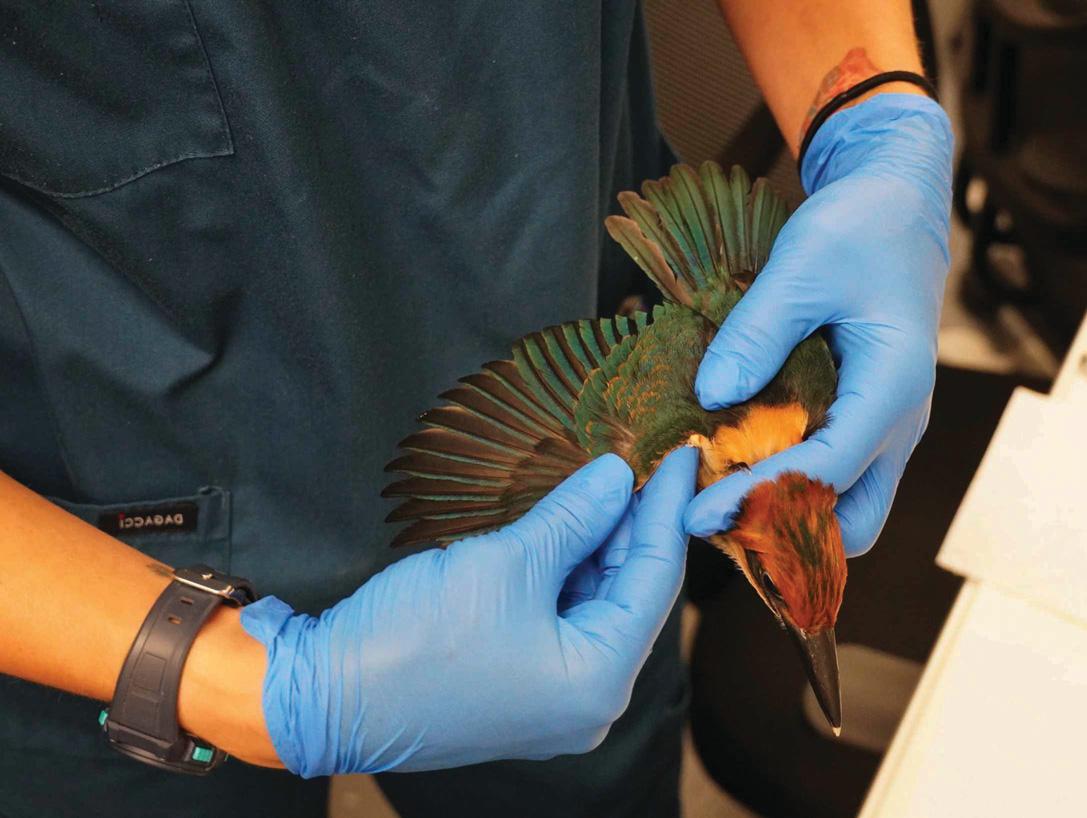
Assisted migration is the process of moving a species outside of its native range - usually because that range is too depleted for long-term survival as a result of climate change, fragmentation or invasive species. Occasionally, it’s done to benefit the recipient ecosystem, such as the introduction of Aldabra giant tortoises to an islet off Mauritius to manage plant populations after the Mauritius giant tortoise became extinct.
For some conservationists, the reluctance to suggest assisted migration is automatic. It’s considered by some to be “the ultimate meddling”, says Sarah Dalrymple, a member of the England Species Reintroduction Taskforce. But she points out that “humans have been moving things for millennia”. As habitat and climate crises worsen, she believes migration can be vital for the right species and it’s our “ethical responsibility to explore all options”.

Bu hikaye BBC Wildlife dergisinin July 2025 baskısından alınmıştır.
Binlerce özenle seçilmiş premium hikayeye ve 9.000'den fazla dergi ve gazeteye erişmek için Magzter GOLD'a abone olun.
Zaten abone misiniz? Oturum aç
BBC Wildlife'den DAHA FAZLA HİKAYE
BBC Wildlife
“Our canoe was nearly sunk by a hippo”
Hippos in Niger

3 mins
March 2026

BBC Wildlife
Why does Australia have such weird animals?
AUSTRALIA IS A LONG WAY FROM anywhere and has been for a very long time. The landmass definitively separated from the supercontinent of Gondwana around 40 million years ago and, since then, has existed - as a big blob in the middle of an even bigger ocean - in glorious geographical isolation.
2 mins
March 2026
BBC Wildlife
Which country has the fewest native animals?
AT AROUND 61KM² SAN MARINO, IN Europe, is one of the world's smallest countries. Entirely landlocked, it is surrounded by Italy.
1 min
March 2026

BBC Wildlife
Why do some species sunbathe?
RING-TAILED LEMURS ARE FAMED FOR their 'sun-worshipping' posture, legs and arms outstretched to reveal their pale bellies. Like humans, they do it to save energy and boost health. Sunlight is necessary to many bodily processes. As a source of vitamin D it's required to maintain bone and muscle health. It is also related to the production of serotonin, the chemical that regulates mood, sleep and stress response.
1 mins
March 2026
BBC Wildlife
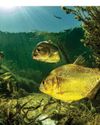
ALL YOU EVER NEEDED TO KNOW ABOUT THE Piranha
PIRANHAS HAVE A REPUTATION as some of the most dangerous freshwater hunters: terrifying predators capable of devouring a large mammal in mere minutes.
3 mins
March 2026
BBC Wildlife
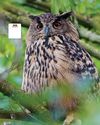
EAGLES LANDING
Eagle owls were once heavily persecuted. But thanks to a new initiative, these magnificent birds are reclaiming a wetland home
7 mins
March 2026
BBC Wildlife
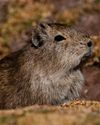
Do wild guinea pigs exist?
GUINEA PIGS, WHICH ARE NOT pigs and not from Guinea, are domesticated rodents that do not exist in the wild.
1 min
March 2026
BBC Wildlife
SNAP-CHAT: THE INSIDE WORLD OF WILDLIFE PHOTOGRAPHY
Boris Belchev on birds, batteries and battling bears with pop music
3 mins
March 2026
BBC Wildlife
Does anything live in the Bermuda Triangle?
THE BERMUDA TRIANGLE, IN THE NORTH Atlantic Ocean, has become infamous for the planes and ships that are said to have vanished without a trace while travelling through the area.
1 min
March 2026
BBC Wildlife
Do animals have different blood types?
HUMANS HAVE FOUR MAIN BLOOD GROUPS: A, B, AB and O.
1 min
March 2026
Listen
Translate
Change font size