Denemek ALTIN - Özgür
The burning question on moors
BBC Wildlife
|October 2025
We go inside the debate on grouse shooting and the perceived benefits of burning heather
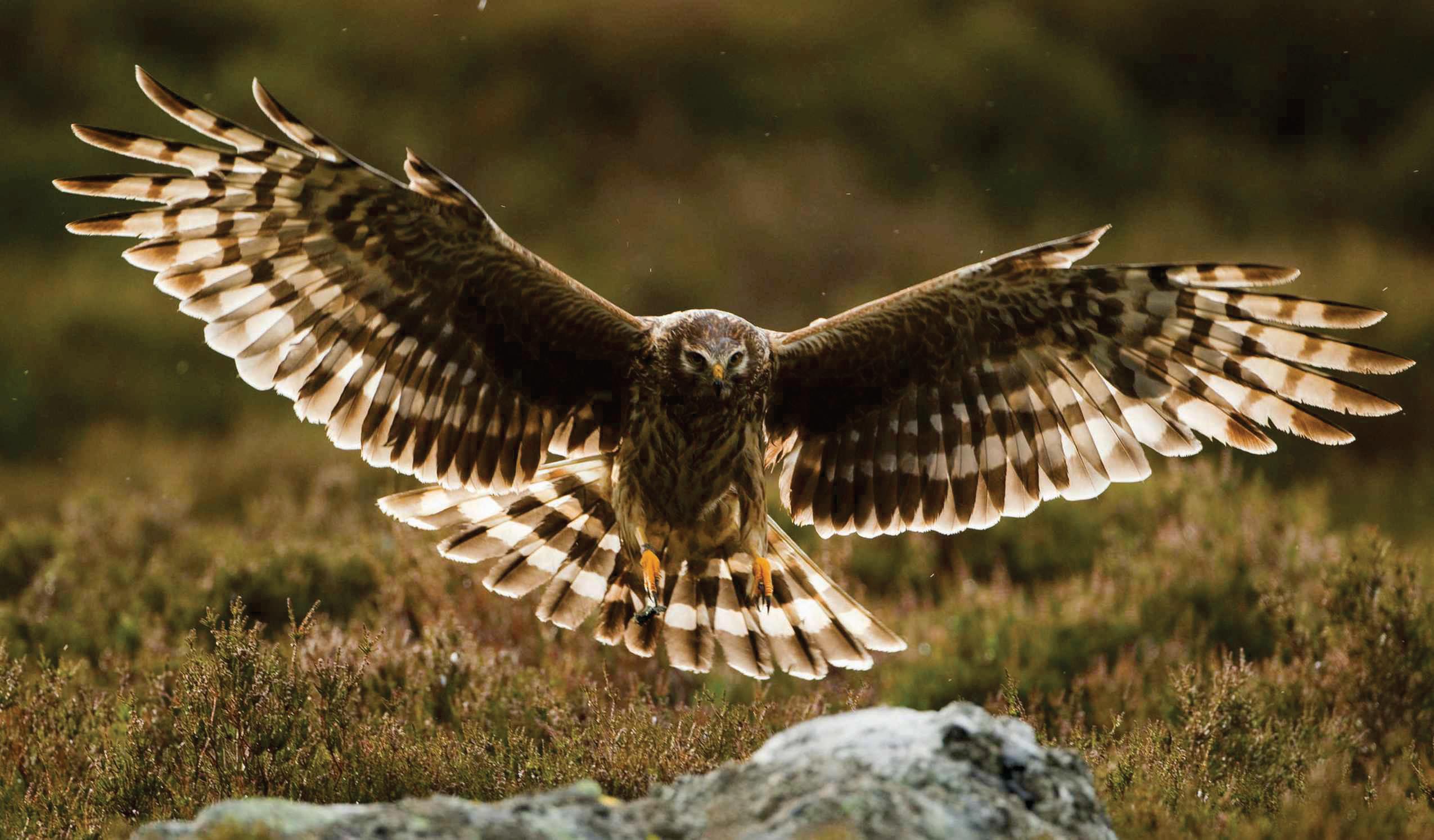
TO UNDERSTAND WHY THERE IS continued acrimony over our uplands, with the illegal killing of raptors, such as hen harriers, still a major point of contention, you have to realise this is not just – or even mainly – about birds. Birds of prey, waders and even songbirds are all collateral damage (or, in some cases, winners) in a much bigger conflict about what these areas – the Yorkshire Dales, the North York Moors, the Peak District and others – should look like.
"In order to have sufficient numbers of grouse for shooting, you have to effectively farm them, which you do partly by burning heather"
It's about areas of deep peat called blanket bogs, for which the UK is the most important country in the world, and which store vast quantities of carbon. It's about what makes these uplands special, how we keep them that way and who pays for it. The people who own these moors say that they love the moors. They want to see wildlife – including birds of prey – thriving, and they say that grouse shooting is the best way to do that.
In order to have sufficient numbers of grouse for shooting, you have to effectively farm them, and you do that partly by burning heather. Adult grouse feed on fresh, tender heather shoots, and the best way to get the plant to rejuvenate is to burn it. Moor owners argue that burning heather both increases biodiversity and helps to store carbon, and there is plenty of science to back this up.
For example, one long-running and ongoing study by scientists at the University of York looked at three management options for peat-dominated moorlands, and found that both burning and cutting were effective ways to increase sphagnum moss cover, along with shrubs and sedges.

Bu hikaye BBC Wildlife dergisinin October 2025 baskısından alınmıştır.
Binlerce özenle seçilmiş premium hikayeye ve 9.000'den fazla dergi ve gazeteye erişmek için Magzter GOLD'a abone olun.
Zaten abone misiniz? Oturum aç
BBC Wildlife'den DAHA FAZLA HİKAYE

BBC Wildlife
Animal welfare
FURTHER TO EM GENOVESE'S LETTER (Your Letters, Spring 2026), I would like to signpost the charity Wild Welfare to readers.

2 mins
May 2026
BBC Wildlife
"The hooves pounded up the trail behind us"
Moose in Colorado
3 mins
May 2026
BBC Wildlife
SEAGRASS SAVIOURS
Sometimes, saving the planet requires a bright idea, some practical know-how and a bit of tinkering
6 mins
May 2026
BBC Wildlife
WALL TO WILD
After the fall of the Berlin Wall, reunified Germany became a new landscape not only for people, but for wildlife too 'M SITTING IN A FOREST IN Brandenburg, northeast Germany, looking over a large clearing.
7 mins
May 2026

BBC Wildlife
SNAP-CHAT
Samuel Bloch on wild horses, crazy capercaillies and sleeping on the job
2 mins
May 2026
BBC Wildlife
Old trees key to resilience
Study finds mature trees trump youthful ones
1 min
May 2026
BBC Wildlife
ONE STEP BEYOND
There's a lot more to these quirky seabirds than their eye-catching limbs
2 mins
May 2026
BBC Wildlife
RETURN OF A LEGEND
Once teetering on the very brink of extinction, the elusive Scottish wildcat is prowling the Highlands once more, thanks to a bit of help
7 mins
May 2026

BBC Wildlife
Urban scavengers help curb carbon
New study reveals the extent of emissions saved as city animals feast on food waste
2 mins
May 2026
BBC Wildlife
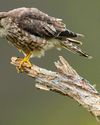
Merlin on the brink
The diminutive raptor is one of many species facing extinction in Britain, suggests new report
1 mins
May 2026
Listen
Translate
Change font size