
Magzter GOLD ile Sınırsız Olun
Sadece 9.000'den fazla dergi, gazete ve Premium hikayeye sınırsız erişim elde edin
Denemek ALTIN - Özgür
SEA OF GIANTS
BBC Wildlife
|May 2025
An unusual alliance is forming to save Sri Lanka's remarkable whales
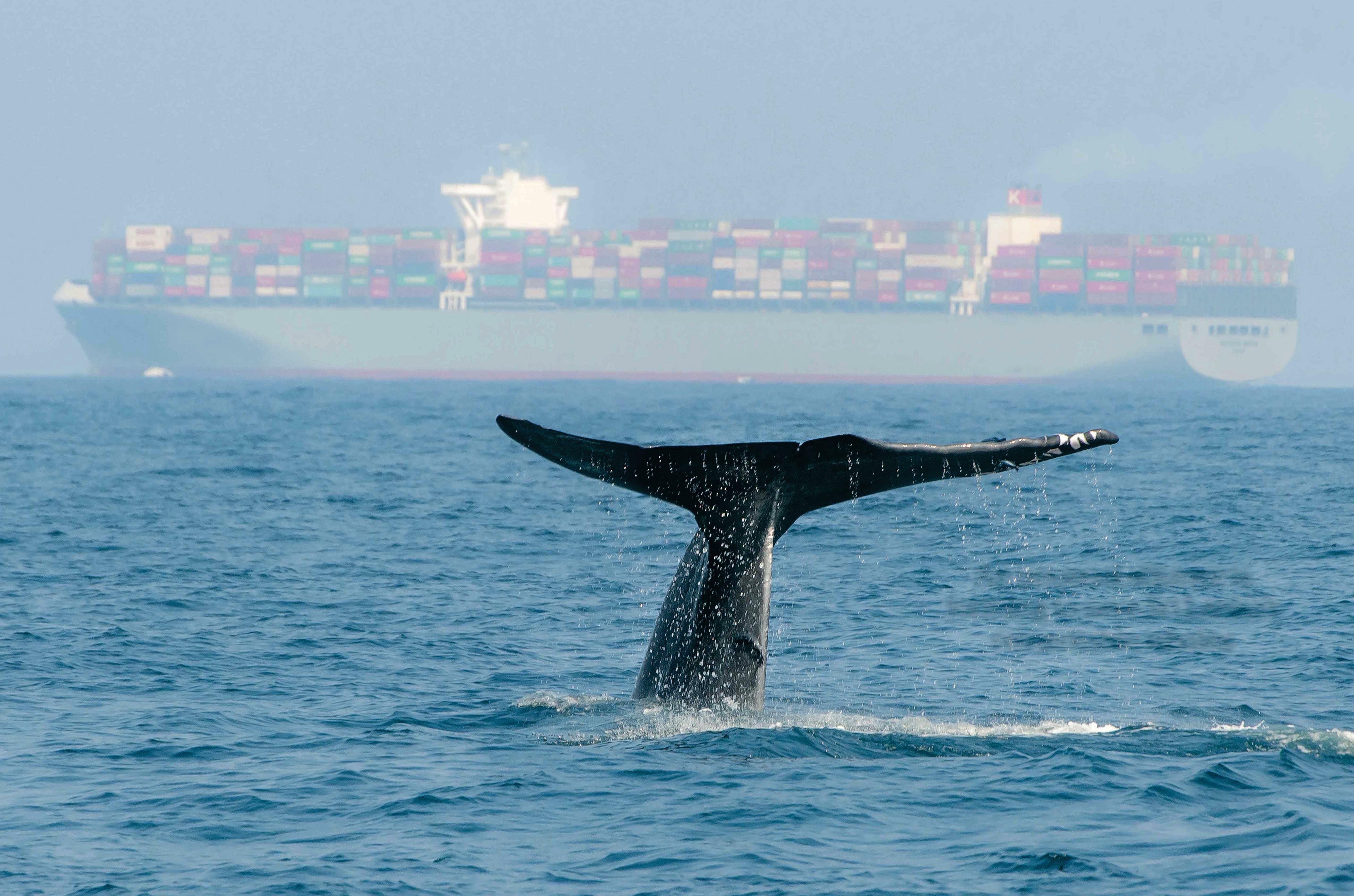
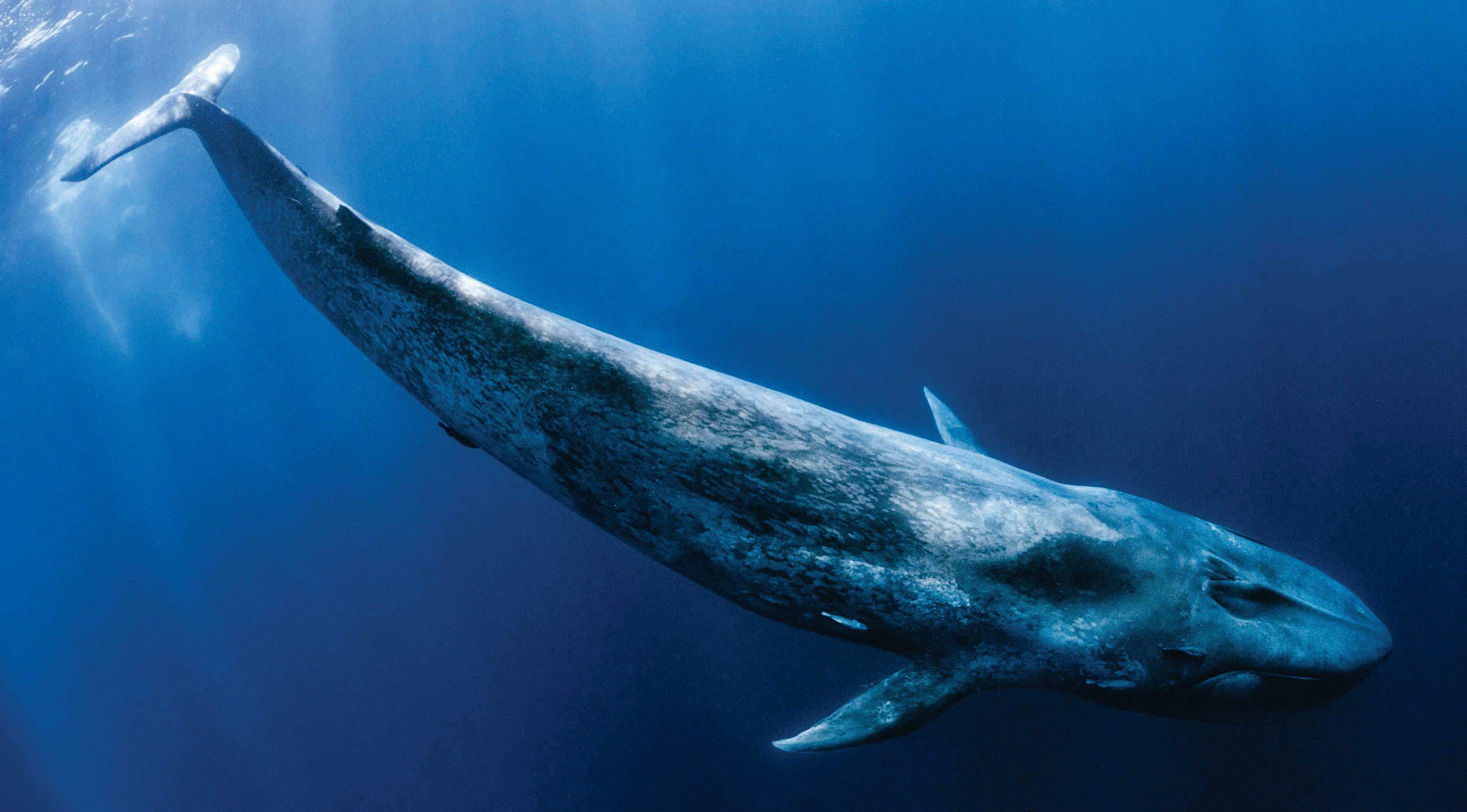
OFF SRI LANKA'S southern coast, where the ocean drops into an indigo trench, a blue whale dives below the surf, her gargantuan size belying the grace of her movement through the silent water. Her hymn of clicks and whistles resonates through the deep, calling to her young calf.
Her kind has lived here for generations, at the pinnacle of a food chain that begins in the ocean’s depths. But her world is different from that of her ancestors. Overhead, giants of another kind carve across the sea - ships, hundreds of them, their steel hulls an invisible threat. This female had grown accustomed to the ships’ presence. But one spring morning proved to be her last.
 In March 2012, the lifeless body of an 18m female blue whale was found in the harbour of Colombo, Sri Lanka’s largest city, a deep gash exposing her left flank. She had collided with The Quartz, a container ship, and was discovered draped over its bulbous bow, a spear-like protrusion at the front of the vessel. Eyewitnesses reported no smell, suggesting she had died recently.
A team disposed of the corpse out at sea but, two days later, the remains washed up on a beach south of Colombo. The dead whale was now rapidly decomposing: its flesh had turned a putrefied grey, its carcass flecked with lacerations left behind as birds pecked through the carrion. This time, the smell was unmistakeable.
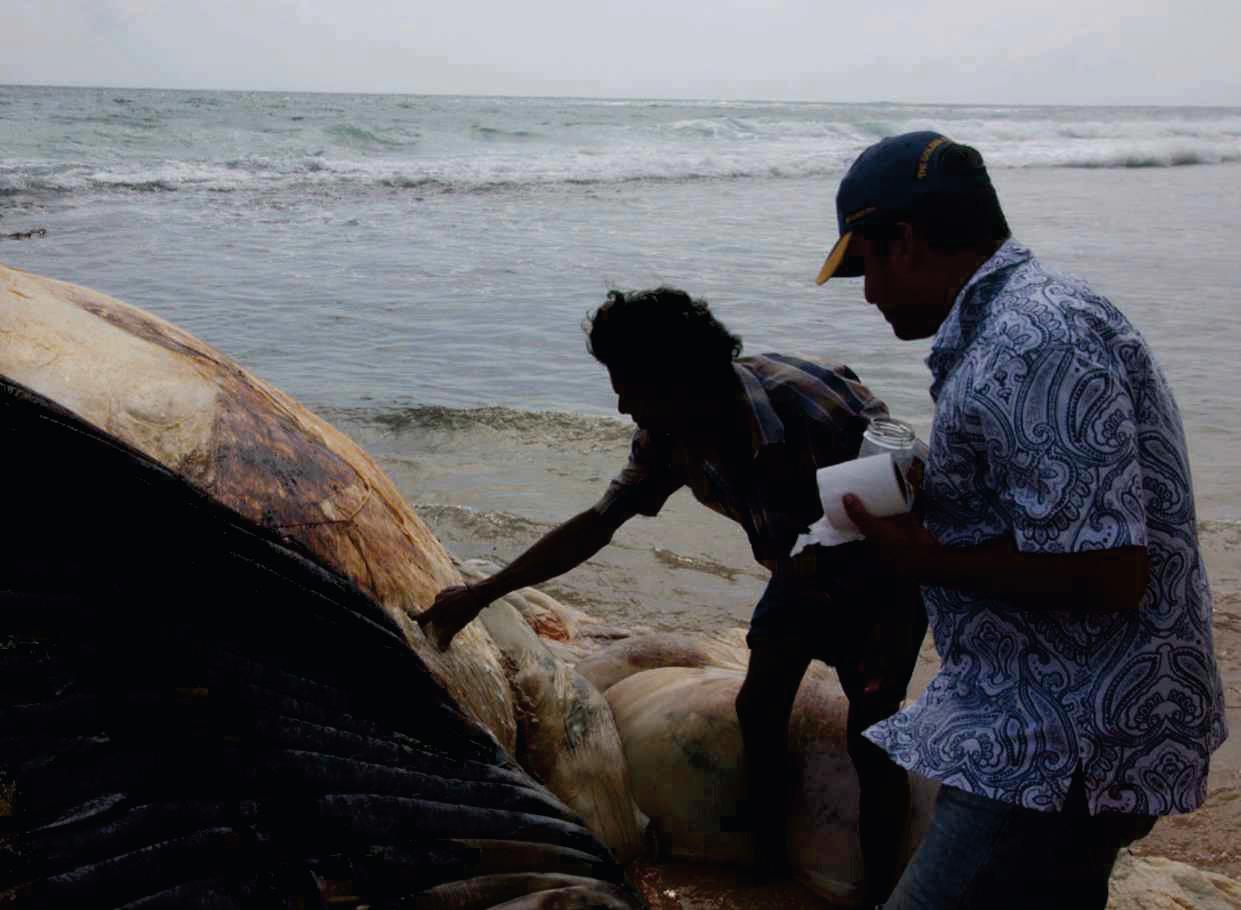 The case was later documented by Asha de Vos, a prominent marine biologist in Sri Lanka. The collision alerted conservationists to the dangers whales face in the seas surrounding the island nation.

Bu hikaye BBC Wildlife dergisinin May 2025 baskısından alınmıştır.
Binlerce özenle seçilmiş premium hikayeye ve 9.000'den fazla dergi ve gazeteye erişmek için Magzter GOLD'a abone olun.
Zaten abone misiniz? Oturum aç
BBC Wildlife'den DAHA FAZLA HİKAYE
BBC Wildlife
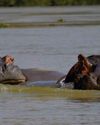
“Our canoe was nearly sunk by a hippo”
Hippos in Niger

3 mins
March 2026

BBC Wildlife
Why does Australia have such weird animals?
AUSTRALIA IS A LONG WAY FROM anywhere and has been for a very long time. The landmass definitively separated from the supercontinent of Gondwana around 40 million years ago and, since then, has existed - as a big blob in the middle of an even bigger ocean - in glorious geographical isolation.
2 mins
March 2026
BBC Wildlife
Which country has the fewest native animals?
AT AROUND 61KM² SAN MARINO, IN Europe, is one of the world's smallest countries. Entirely landlocked, it is surrounded by Italy.
1 min
March 2026

BBC Wildlife
Why do some species sunbathe?
RING-TAILED LEMURS ARE FAMED FOR their 'sun-worshipping' posture, legs and arms outstretched to reveal their pale bellies. Like humans, they do it to save energy and boost health. Sunlight is necessary to many bodily processes. As a source of vitamin D it's required to maintain bone and muscle health. It is also related to the production of serotonin, the chemical that regulates mood, sleep and stress response.
1 mins
March 2026
BBC Wildlife
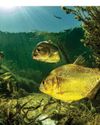
ALL YOU EVER NEEDED TO KNOW ABOUT THE Piranha
PIRANHAS HAVE A REPUTATION as some of the most dangerous freshwater hunters: terrifying predators capable of devouring a large mammal in mere minutes.
3 mins
March 2026
BBC Wildlife
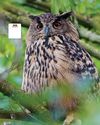
EAGLES LANDING
Eagle owls were once heavily persecuted. But thanks to a new initiative, these magnificent birds are reclaiming a wetland home
7 mins
March 2026
BBC Wildlife
Do wild guinea pigs exist?
GUINEA PIGS, WHICH ARE NOT pigs and not from Guinea, are domesticated rodents that do not exist in the wild.
1 min
March 2026
BBC Wildlife
SNAP-CHAT: THE INSIDE WORLD OF WILDLIFE PHOTOGRAPHY
Boris Belchev on birds, batteries and battling bears with pop music
3 mins
March 2026
BBC Wildlife
Does anything live in the Bermuda Triangle?
THE BERMUDA TRIANGLE, IN THE NORTH Atlantic Ocean, has become infamous for the planes and ships that are said to have vanished without a trace while travelling through the area.
1 min
March 2026
BBC Wildlife
Do animals have different blood types?
HUMANS HAVE FOUR MAIN BLOOD GROUPS: A, B, AB and O.
1 min
March 2026
Listen
Translate
Change font size